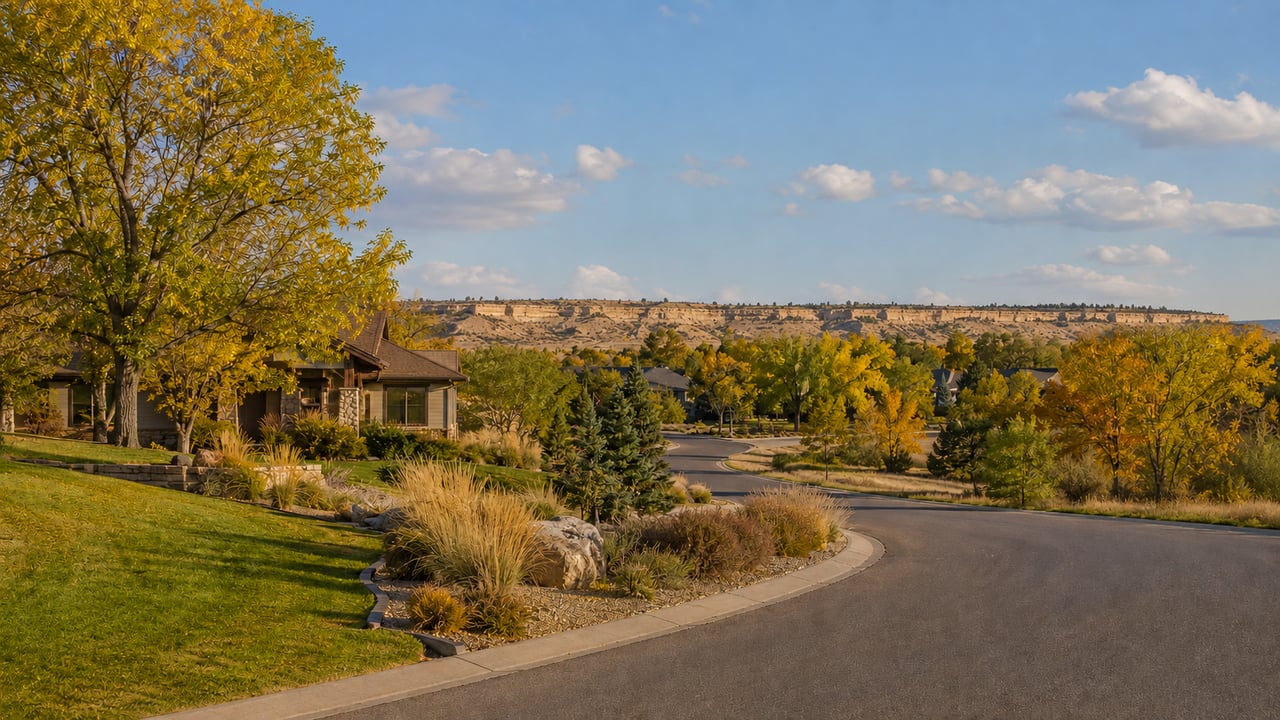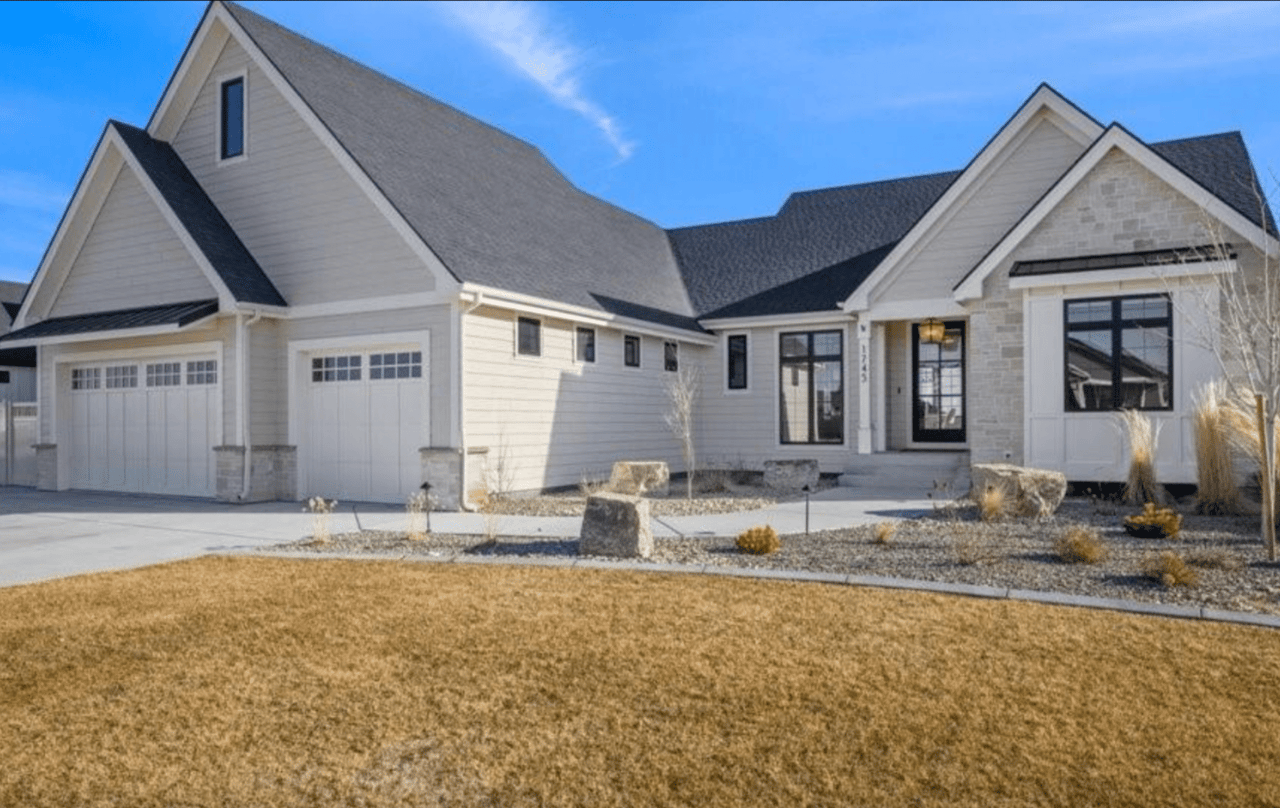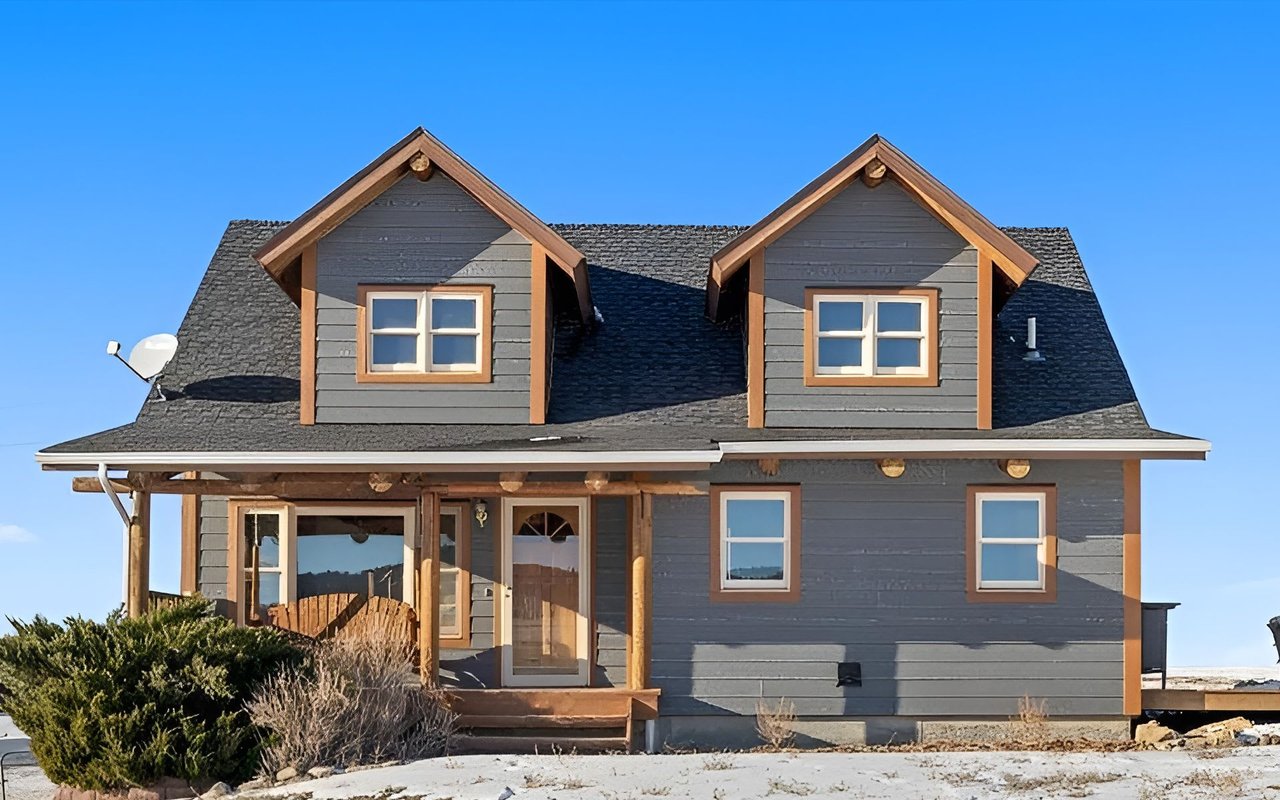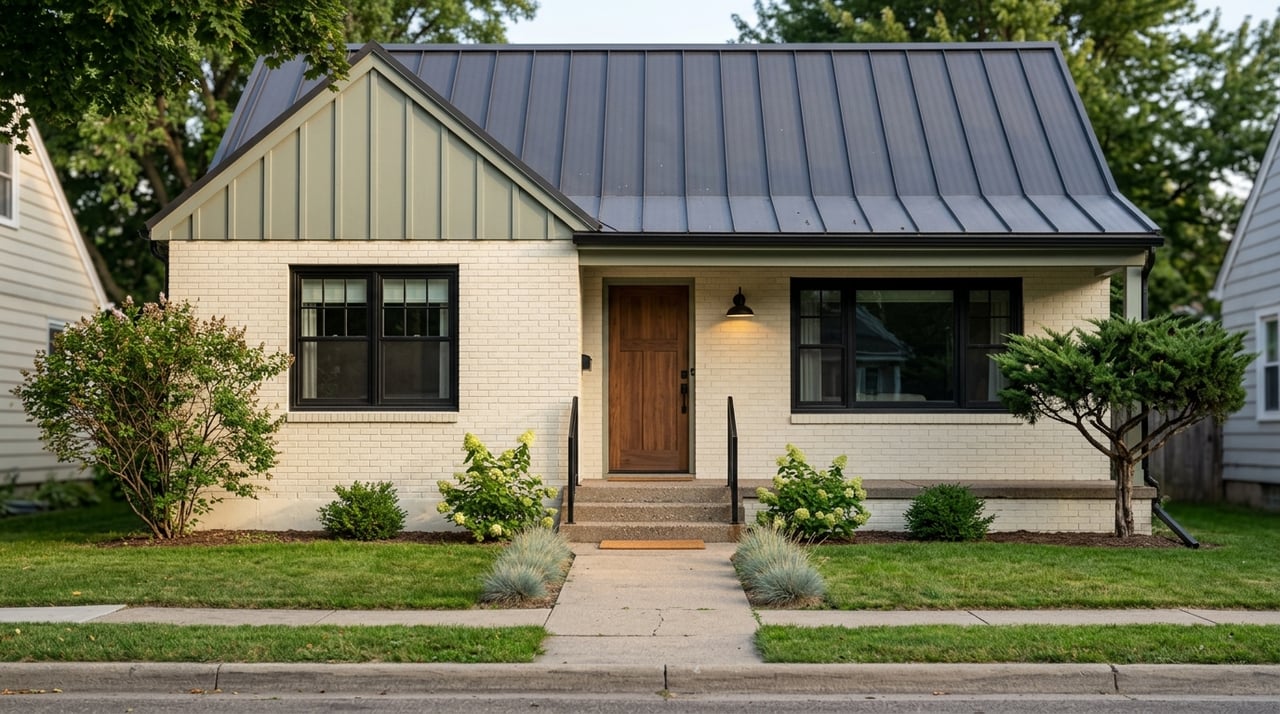
There is just something about Midtown Billings.
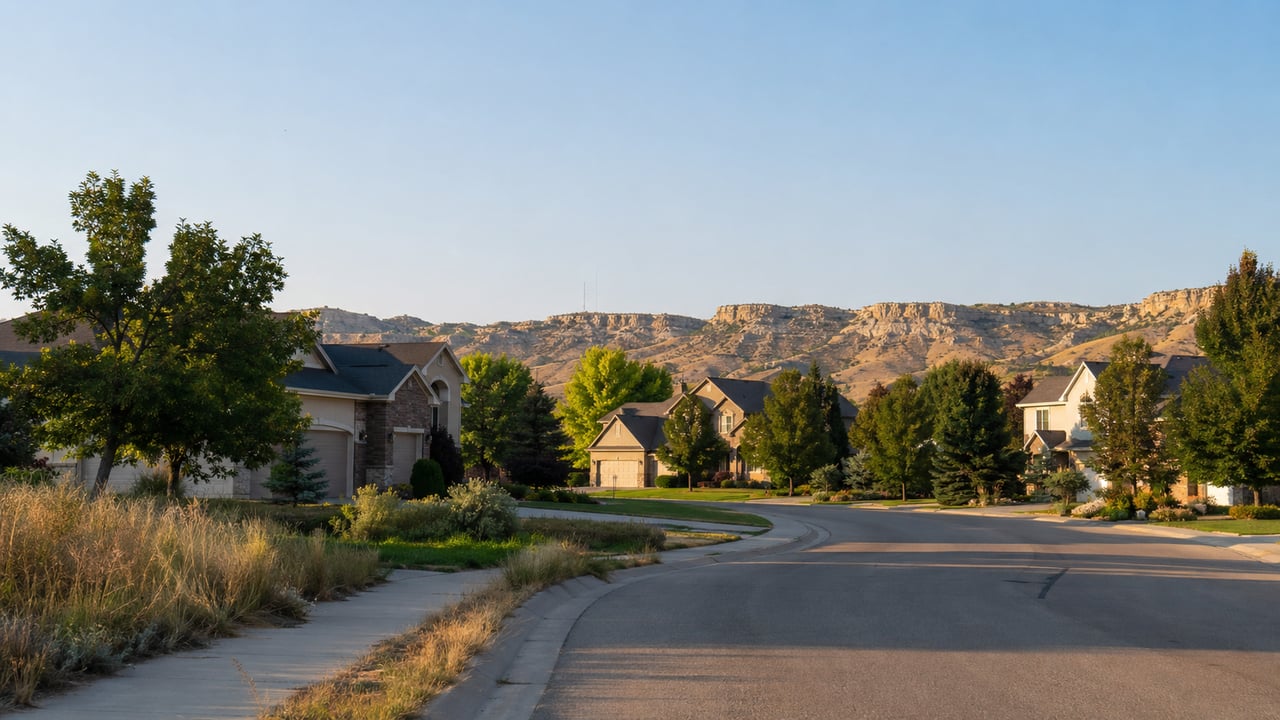
If you are drawn to homes with character, established streets, mature trees, and a location that keeps you close to downtown, parks, coffee shops, restaurants, and everyday conveniences, Midtown tends to catch your attention pretty quickly.
But with older homes, charm is only part of the story. There are also important questions to ask about condition, updates, layout, long-term maintenance, and how the block itself feels.
That is what makes Midtown so unique. No two homes feel exactly the same, and no two blocks tell the exact same story.
Why Midtown Stands Out
Midtown offers something newer neighborhoods cannot always recreate: personality.
Many homes in this part of Billings have history, original details, and a sense of place that buyers really connect with. You will find older homes, established streets, smaller in-town lots, and a more central location that makes it easier to enjoy the heart of Billings.
For buyers who value walkability, nearby parks, schools, restaurants, coffee shops, and community spaces, Midtown can offer a lifestyle that feels connected and convenient.
In real life, that means buyers are often looking here for more than just square footage. They want a home that feels different. A front porch with character. Original woodwork. A tree-lined street. A location that feels connected to the city.
That is the Midtown draw.
What the Housing Looks Like
A lot of Midtown’s appeal comes from the age and variety of the homes.
Much of the housing stock in this area is older, established, and very different from what you would typically find in newer subdivisions. You will see a mix of styles, updates, and conditions.
Some homes still have beautiful original details. Others have been remodeled over time. Some are move-in ready, while others need a buyer who can see the potential and understand what updates may be needed.
That variety is part of the fun, but it is also why local guidance matters so much.
Character Is the Main Attraction
Midtown homes are not cookie-cutter, and that is exactly why buyers love them.
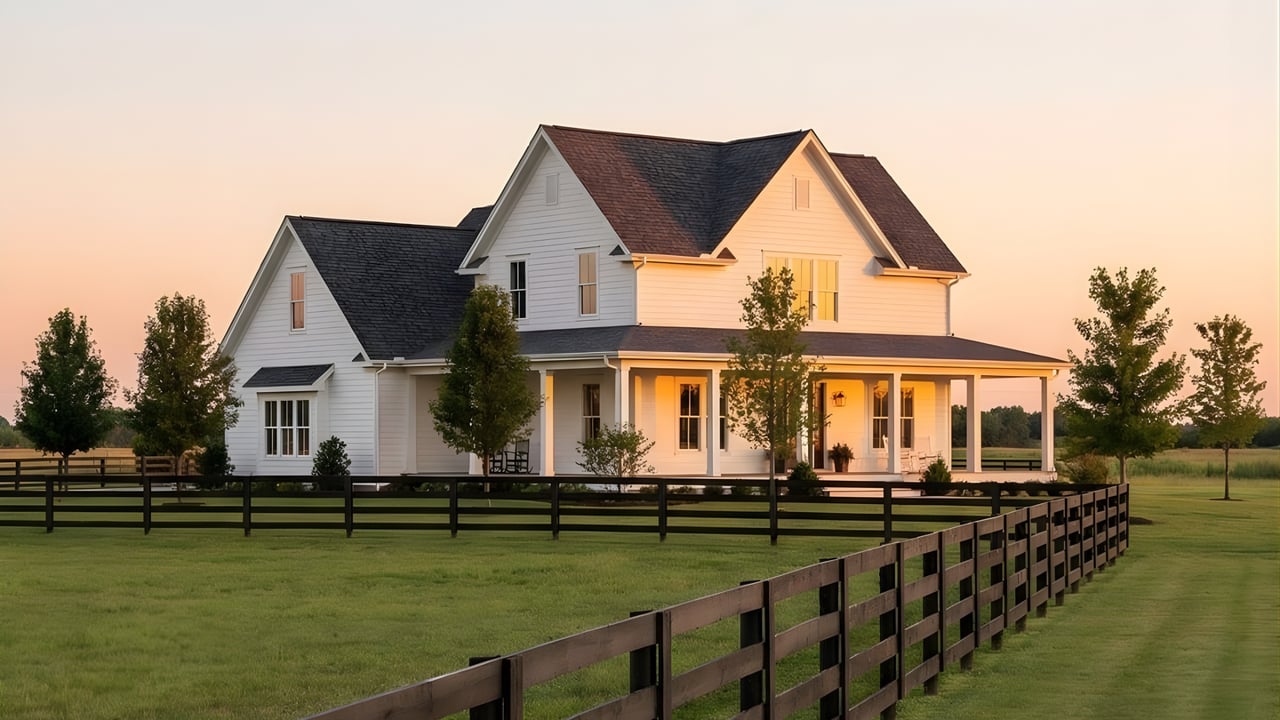
Depending on the home, you may find original trim, built-ins, vintage doors, formal entries, covered porches, unique rooflines, older hardwoods, and details you just do not see as often in newer construction.
Some homes lean all the way into their historic charm. Others blend older structure with more modern finishes. A few blocks can make a big difference in the feel of the home, the street, and the overall lifestyle.
That is why I always tell buyers to slow down and really look at the details. Midtown rewards the buyer who pays attention.
Block-by-Block Matters
One of the biggest things to understand about Midtown is that you cannot judge the whole area the same way.
A home on a busier corridor can feel very different from a home tucked into an interior residential street. That does not automatically make one location better than another. It just means the tradeoffs are different.
A busier street may give you convenience and quick access. A quieter interior block may feel more tucked away and residential. Alley access, parking, neighboring uses, traffic patterns, and street feel all matter.
When you are buying in Midtown, you are not just buying the house. You are buying the block, the setting, and the way that location fits your daily life.
What Buyers Should Look At First
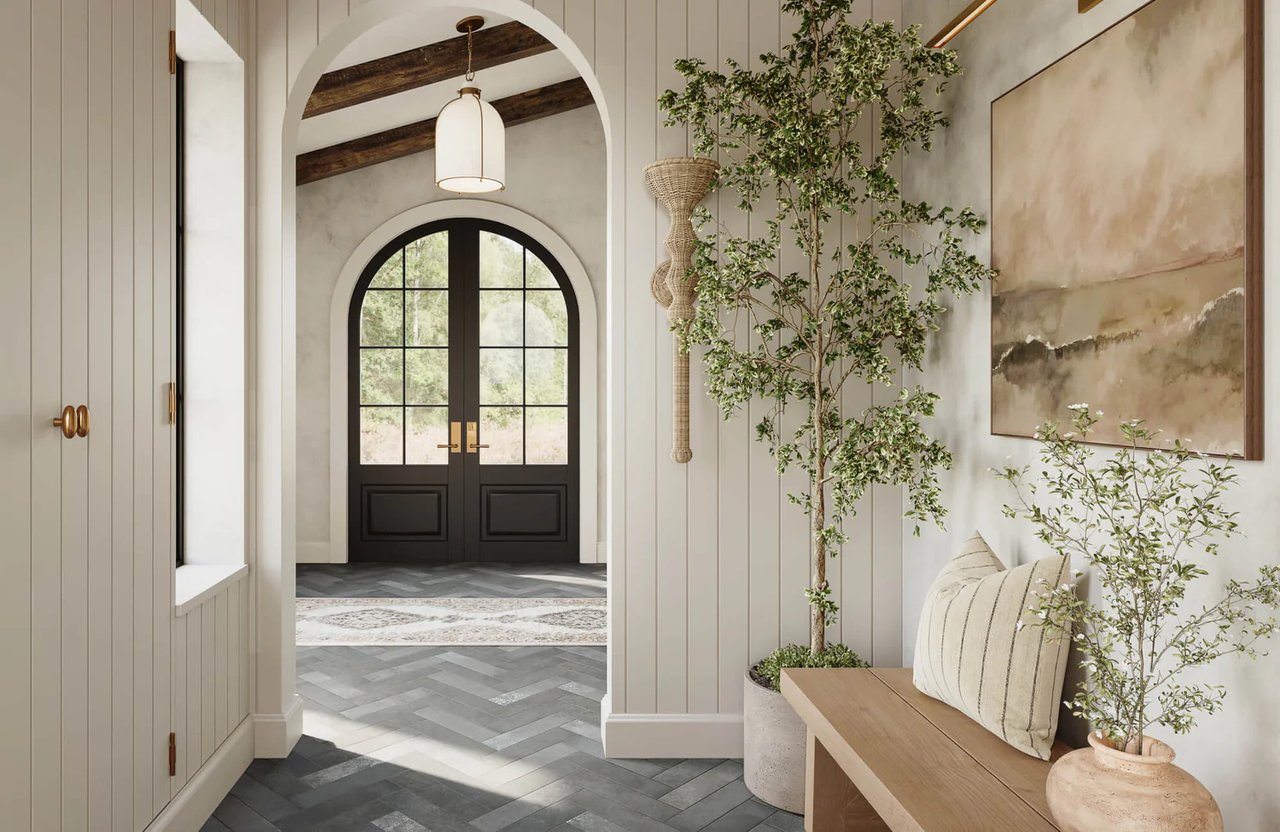
With older homes, it is easy to fall in love with the charm first. I get it. The arched doorways, original floors, built-ins, and mature landscaping can be hard to resist.
But the big-ticket items matter most.
Before getting too excited about paint colors, countertops, or staging, buyers need to pay close attention to the foundation, roof, drainage, plumbing, electrical, heating system, ventilation, insulation, windows, and overall maintenance history.
Those are the things that can affect your budget, your comfort, and your negotiating position.
A cute kitchen is great. A solid foundation, updated systems, and proper drainage are better.
Questions to Ask Before You Buy
When looking at a Midtown home, these are the types of questions I want buyers thinking about:
How does the foundation look?
Does water drain away from the house?
How old is the roof?
Has the electrical been updated?
Has the plumbing been updated?
What type of heating system is in place?
Are the windows original, updated, or a mix of both?
Is there enough insulation and ventilation?
Have past repairs been done correctly?
What maintenance should you plan for over the next few years?
These questions are not as exciting as talking about design finishes, but they matter. A well-cared-for older home can be an incredible investment, but you want to understand what you are buying before you get to the closing table.
Balancing Charm With Modern Living
The best Midtown homes usually have one thing in common: they keep the character while improving the function.
That might mean preserving original trim while updating electrical. Keeping beautiful wood floors while improving insulation. Maintaining the front porch charm while making sure the roof, gutters, and drainage are doing their job.
There is a balance between honoring the home’s history and making it work for the way people live today.
Not every old feature needs to be replaced. Sometimes repair, maintenance, and thoughtful updates are the better choice. That is especially true when original details are a big part of what gives the home its value and personality.
Renovation Considerations
If you are buying an older home, renovation planning matters.
For homes built before 1978, lead-based paint can be a concern. Renovation, repair, or painting work that disturbs painted surfaces in older homes can create lead dust, so it is important to understand what safety steps may be needed before beginning work.
That does not mean you should avoid older homes. It means you should be smart about how projects are handled.
You also want to verify whether any exterior changes could involve local historic review, especially if the property is located within a historic district or has a historic designation.
The key is knowing what applies to the specific property before you start making plans.
How Value Is Built in Midtown
In Midtown, value is often built through location, character, and care over time.
Buyers notice when an older home has been loved, maintained, and updated thoughtfully. A Midtown home with original character, strong systems, good maintenance, and a great block can really stand out.
On the other hand, a home with deferred maintenance or major system concerns may require a more careful look at price, repairs, and long-term costs.
The details matter here.
What Buyers Should Keep in Mind
Midtown can be an amazing fit for the right buyer, but it helps to go in with both appreciation and realism.
You may get the charm, central location, and established neighborhood feel that are hard to find elsewhere. You may also need to budget for maintenance, updates, and repairs that come with an older home.
That is not a bad thing. It is just part of buying smart.
Look closely at the block. Pay attention to the condition. Ask the right questions. Take inspections seriously. Understand what updates have already been done and what may still be ahead.
A home can have all the personality in the world, but it still needs to work for your life and your budget.
Why Midtown Appeals to So Many Buyers
At its best, Midtown Billings offers a combination buyers love: central location, established streets, mature surroundings, and homes with real character.
It is for the buyer who wants something a little less generic. Something with history. Something that feels connected to Billings.
The trick is knowing how to separate charm from costly surprises.
That is where local guidance makes all the difference.
If you are thinking about buying or selling in Midtown Billings, our team can help you look at the home, the block, the condition, and the market strategy with the calm, local guidance you deserve.