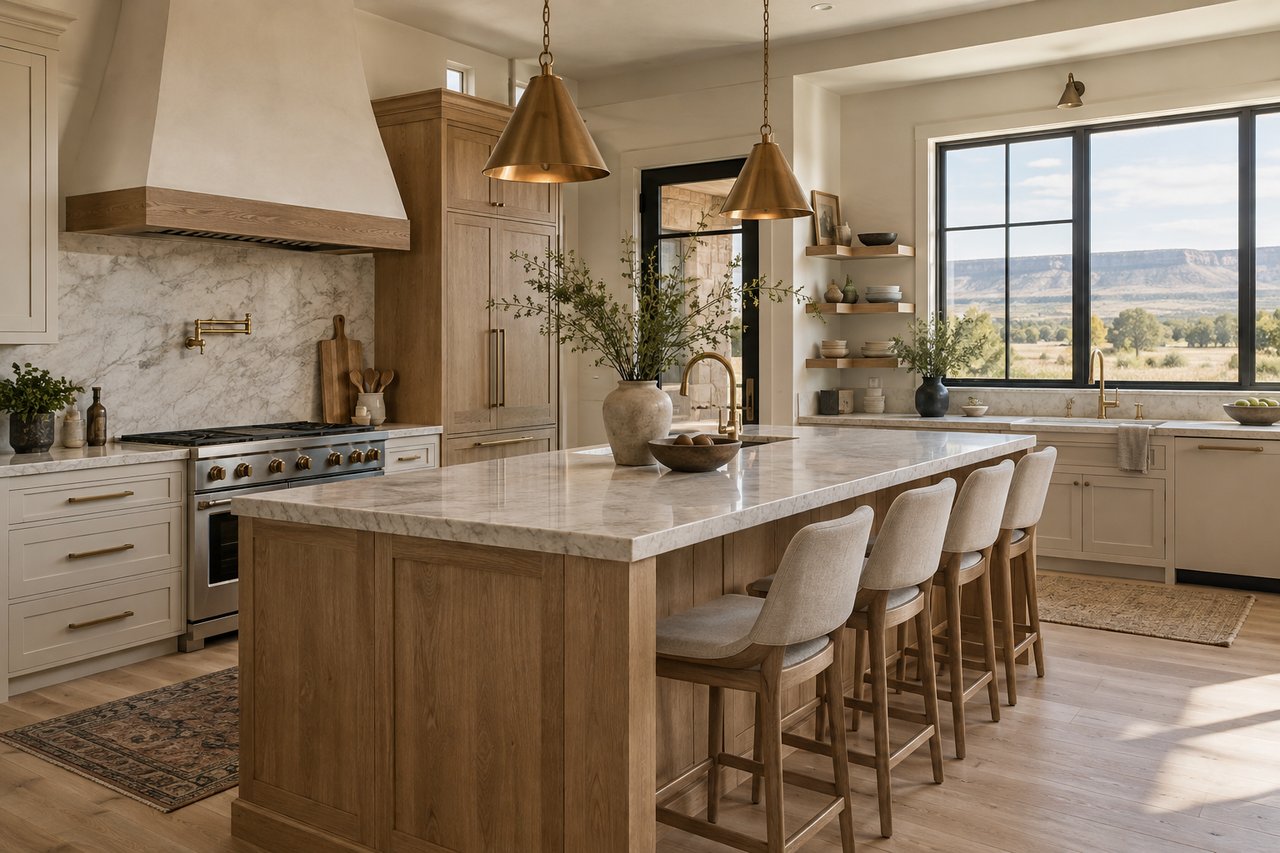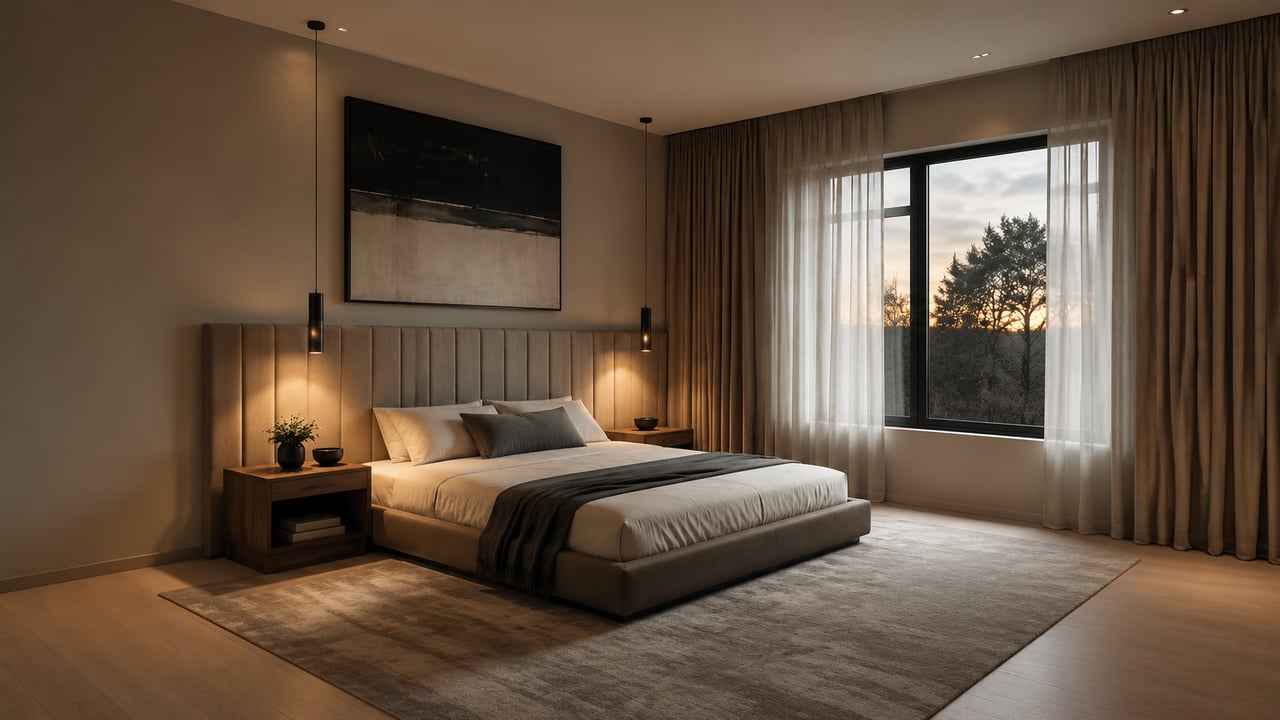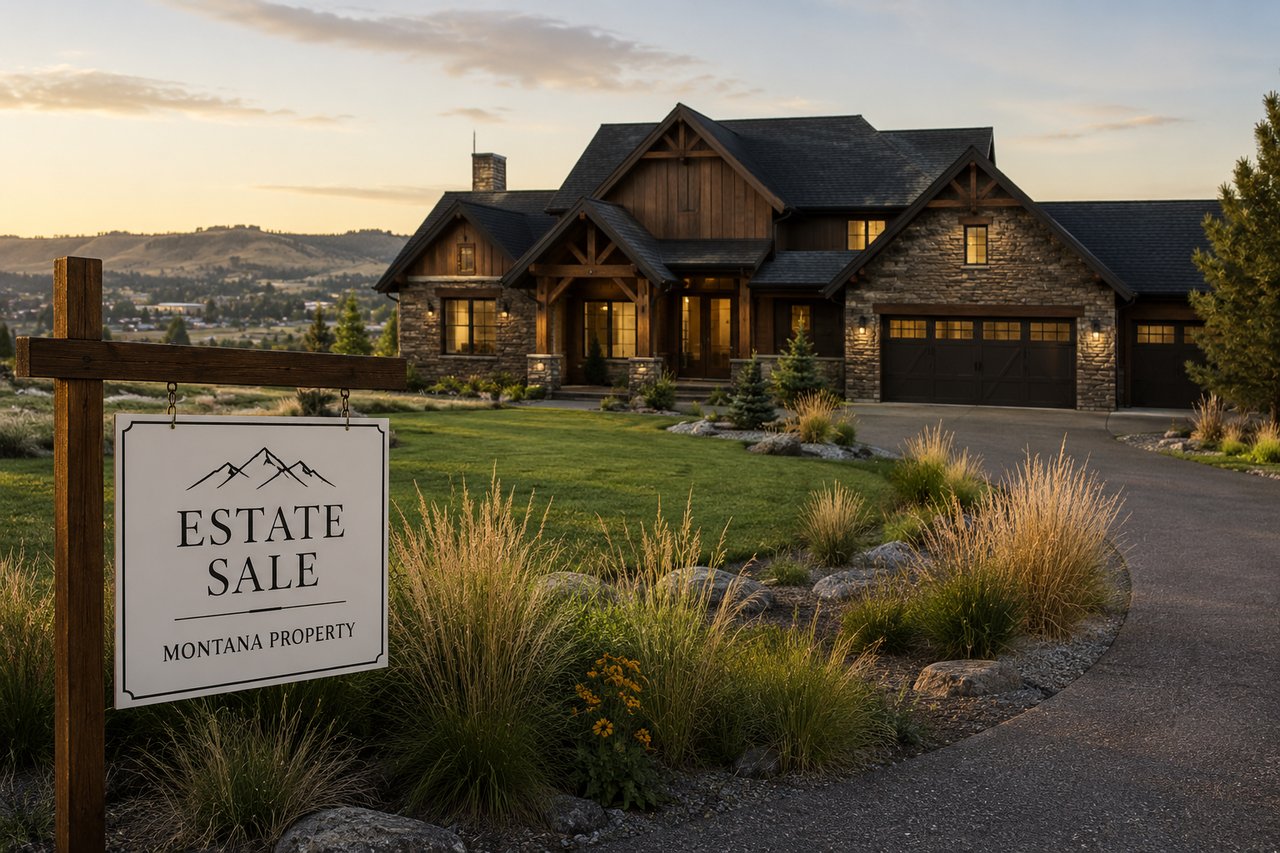
Buying a home in 2026 isn’t just about price, size, or what photographs well online. Those things still matter — but they’re no longer the whole story.
What really shapes day-to-day life in a home often doesn’t show up in listing photos or bullet points. These are the things I’d pay attention to if I were buying right now — the quieter details that make a bigger difference than most people expect.
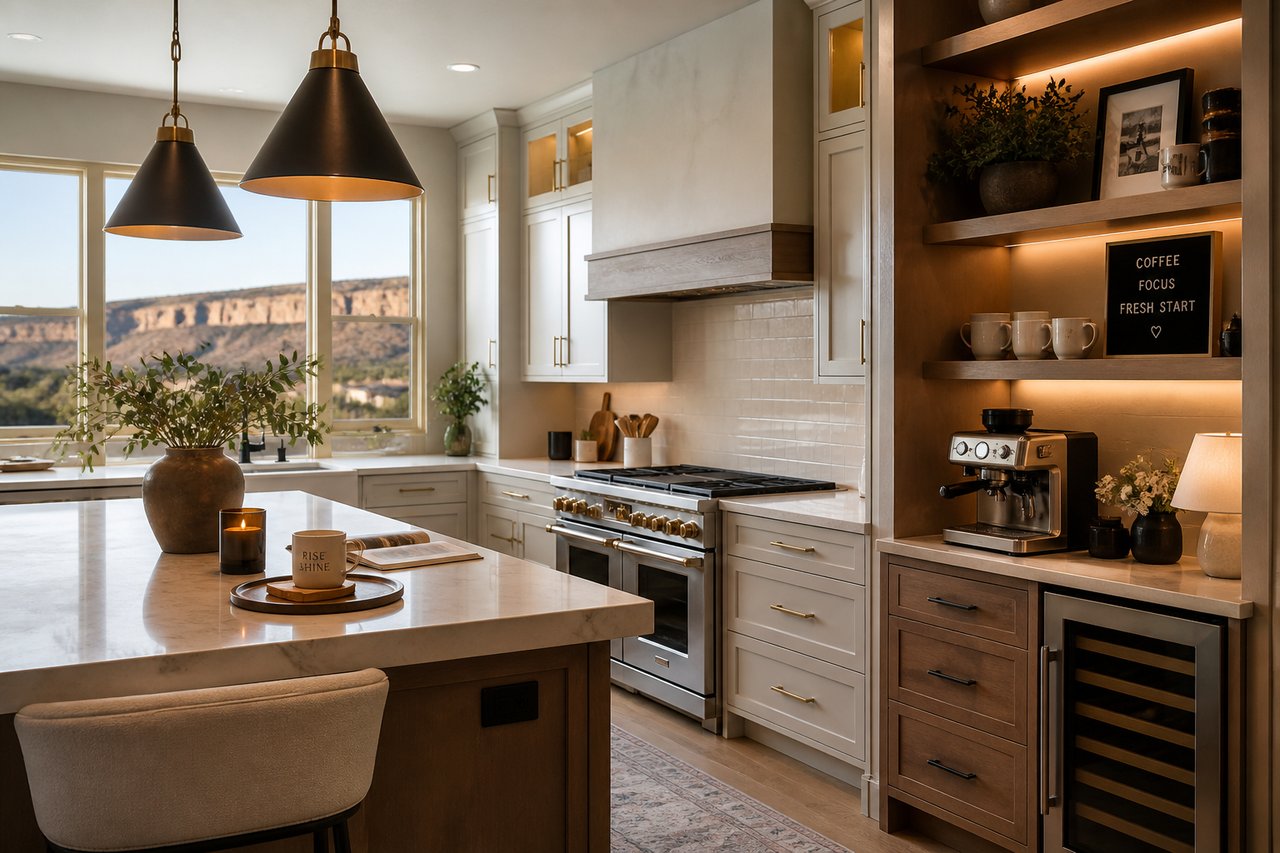
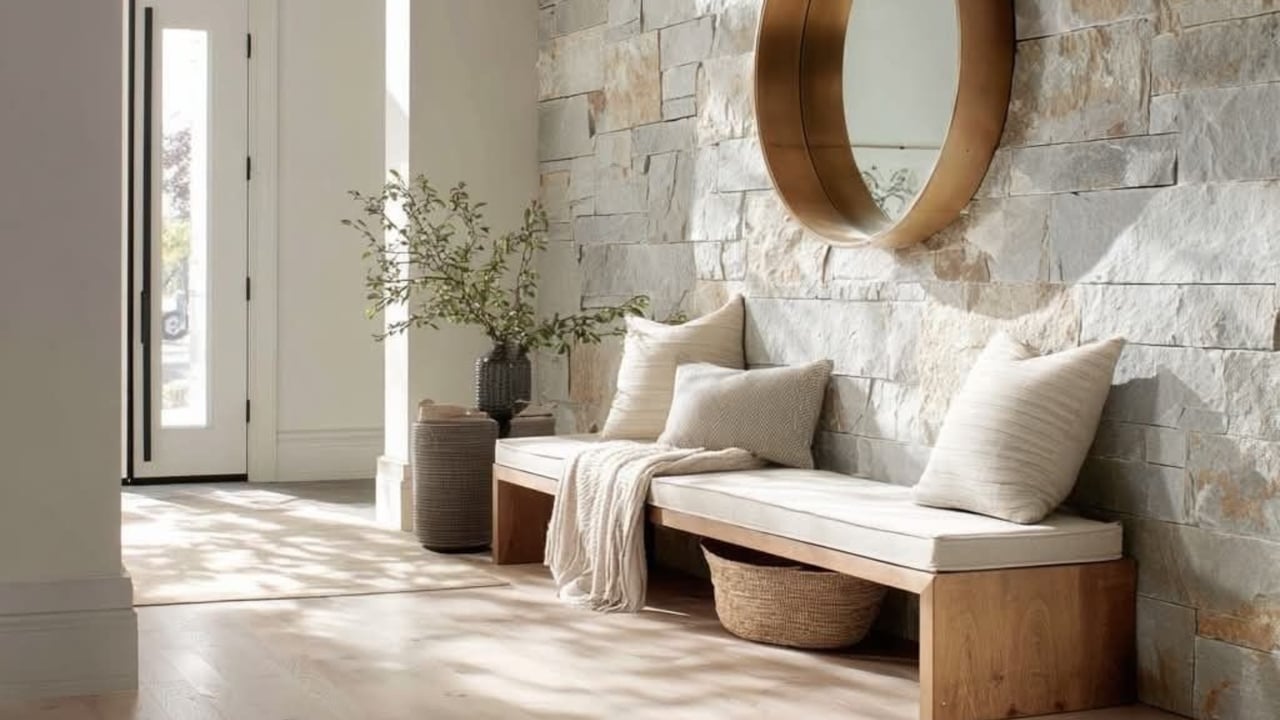
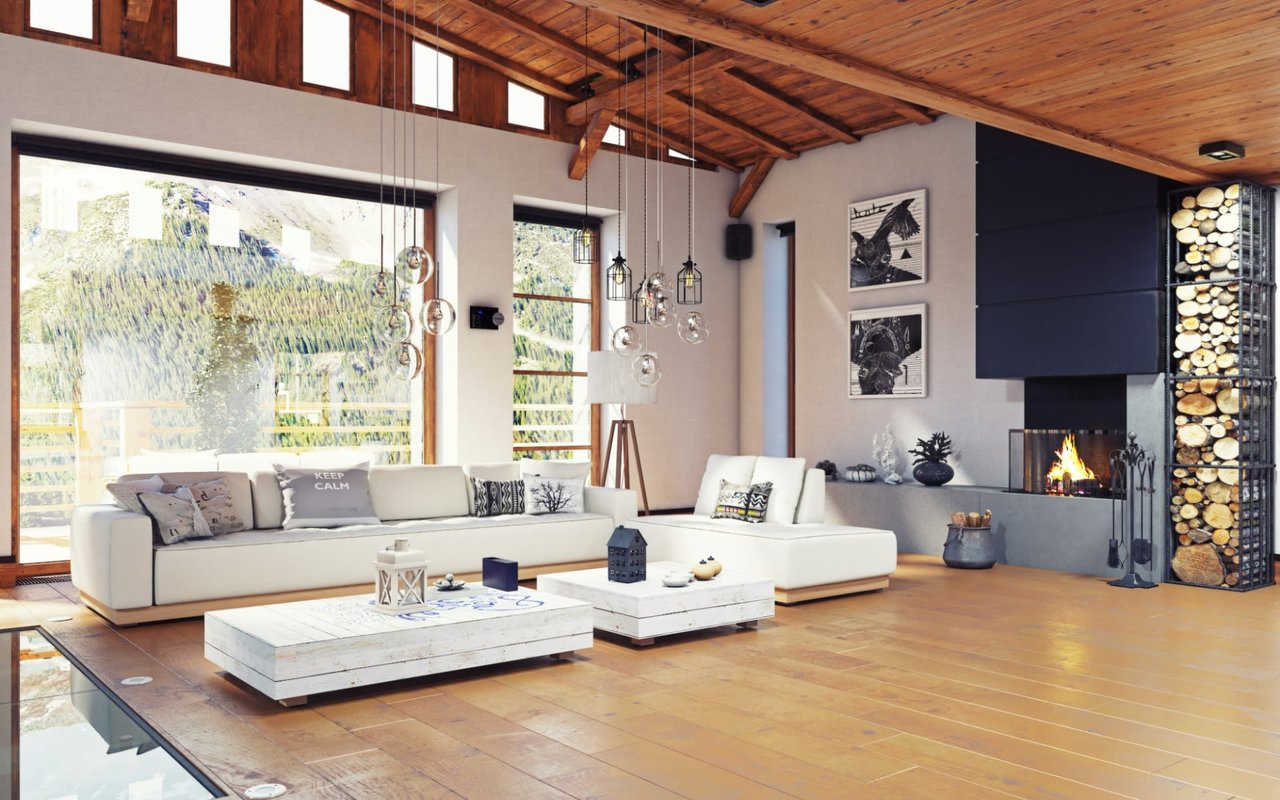
How light moves through the house
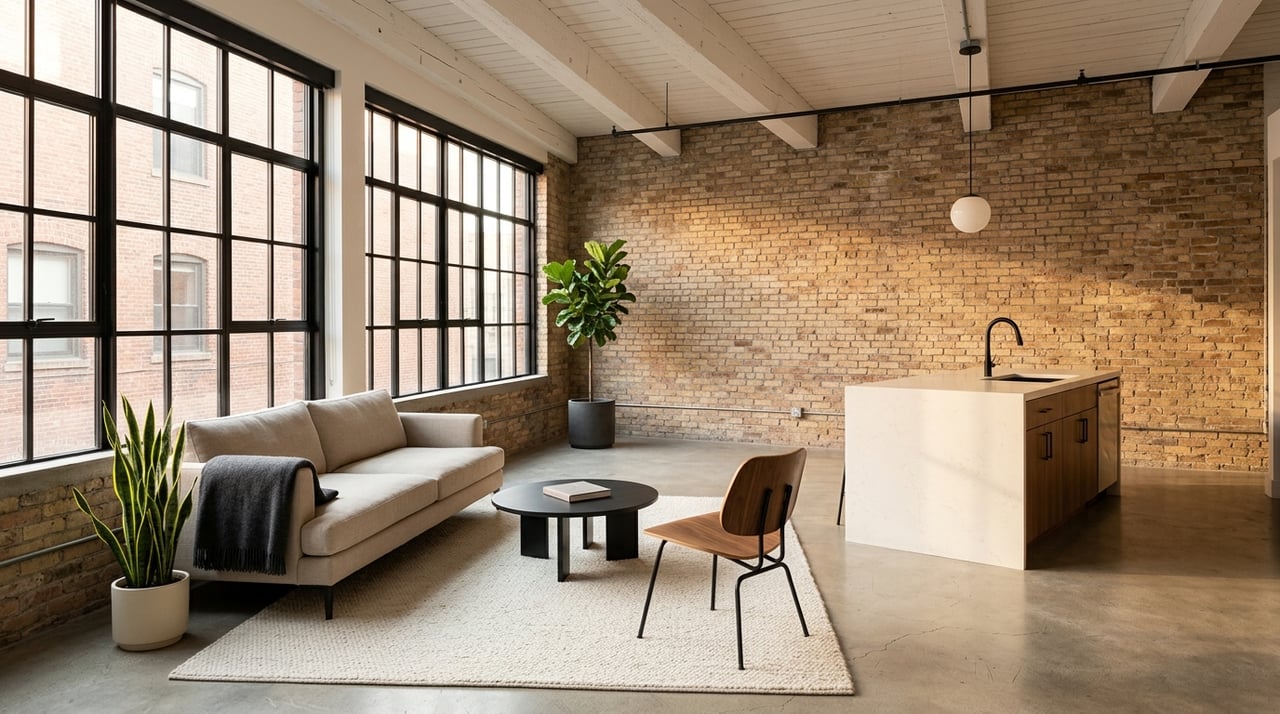
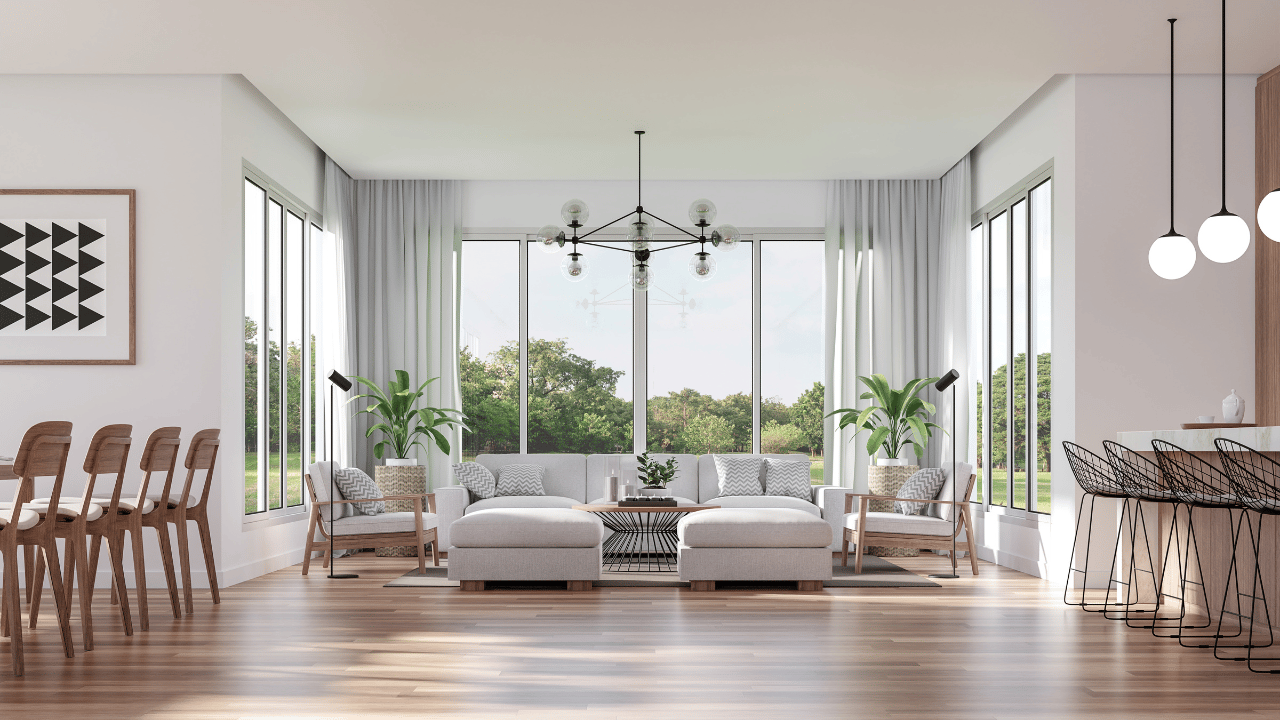
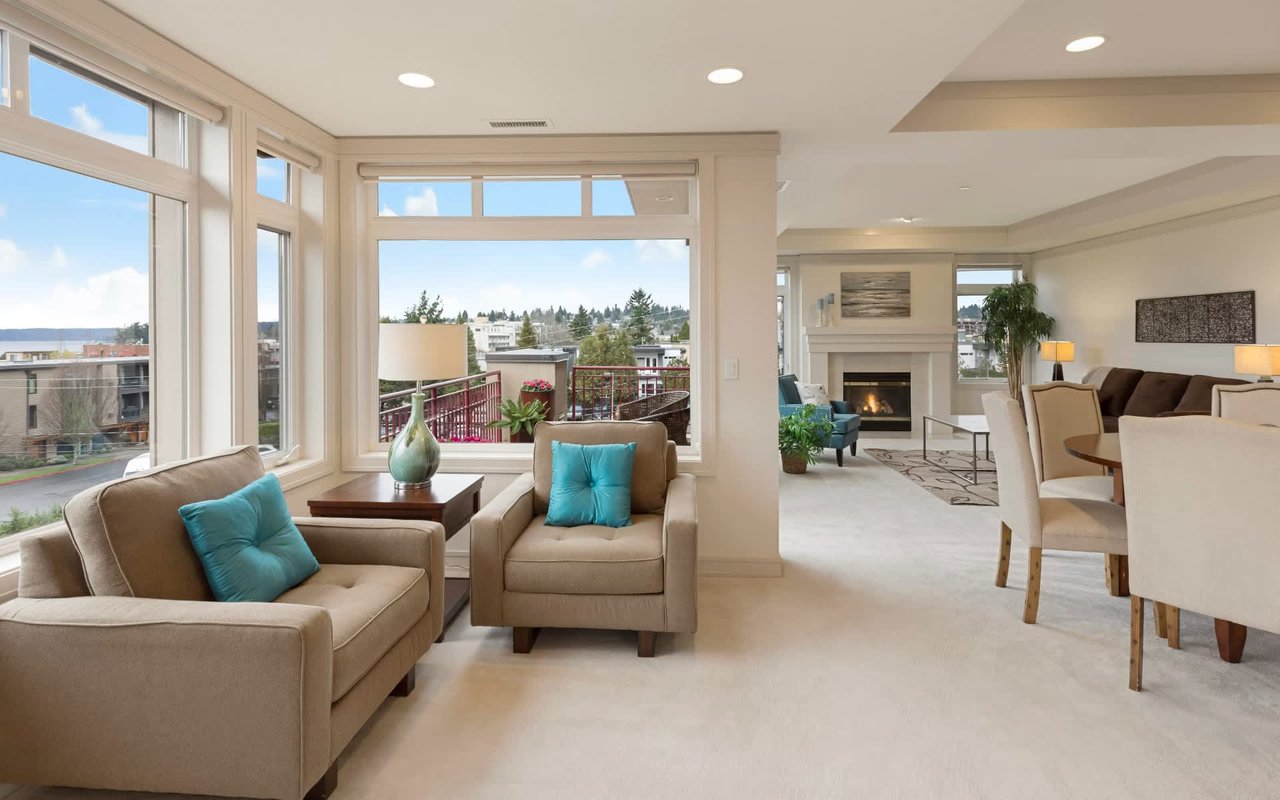
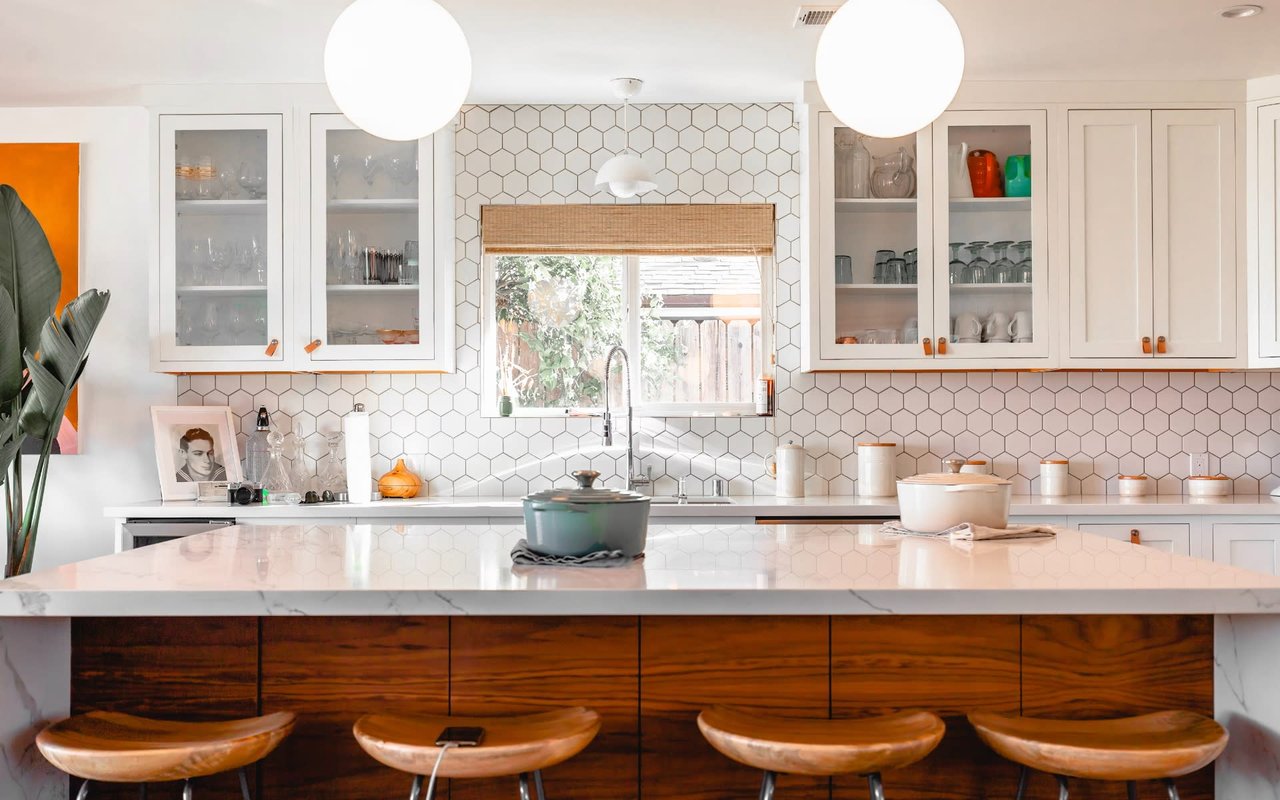
Not just how much light there is, but when it shows up. Morning light in a kitchen feels different than afternoon light in a living space. Homes that feel good tend to have light that matches how you actually live.
The noise you don’t notice at first
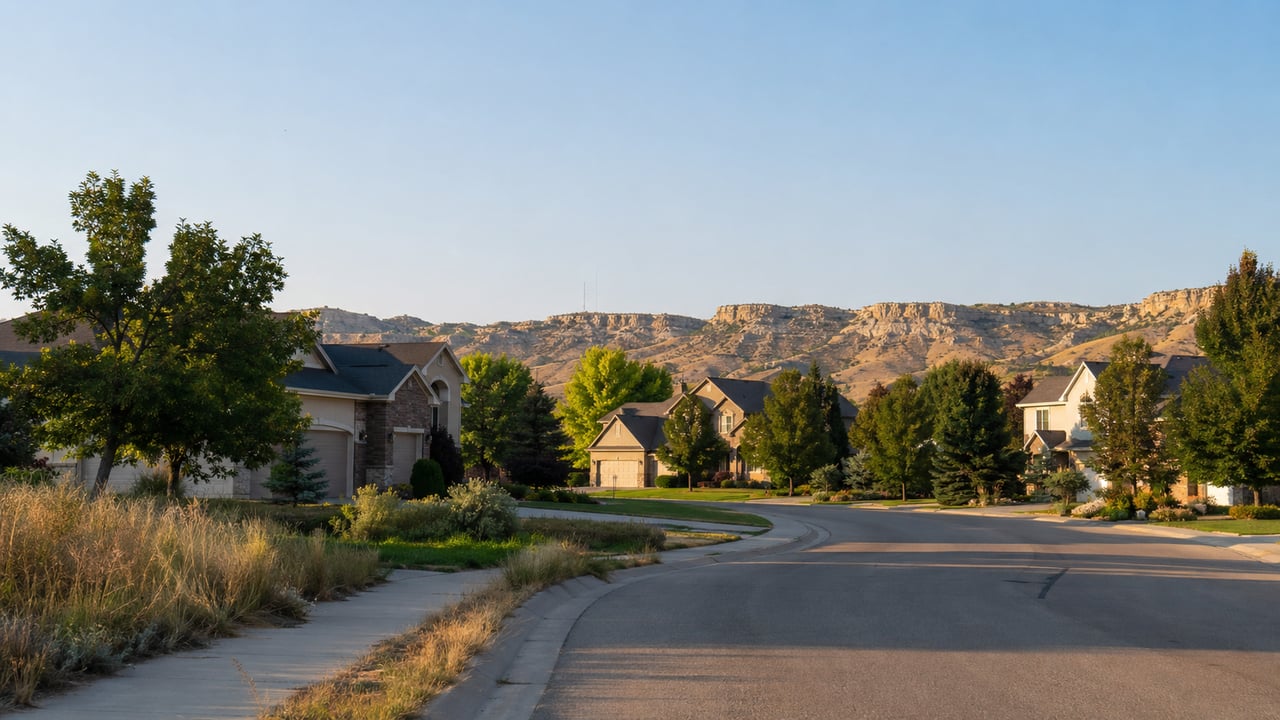
Listen carefully. Not just for traffic, but for neighborhood rhythms — early mornings, evenings, weekends. A home can be beautiful and still feel draining if it never really gets quiet.
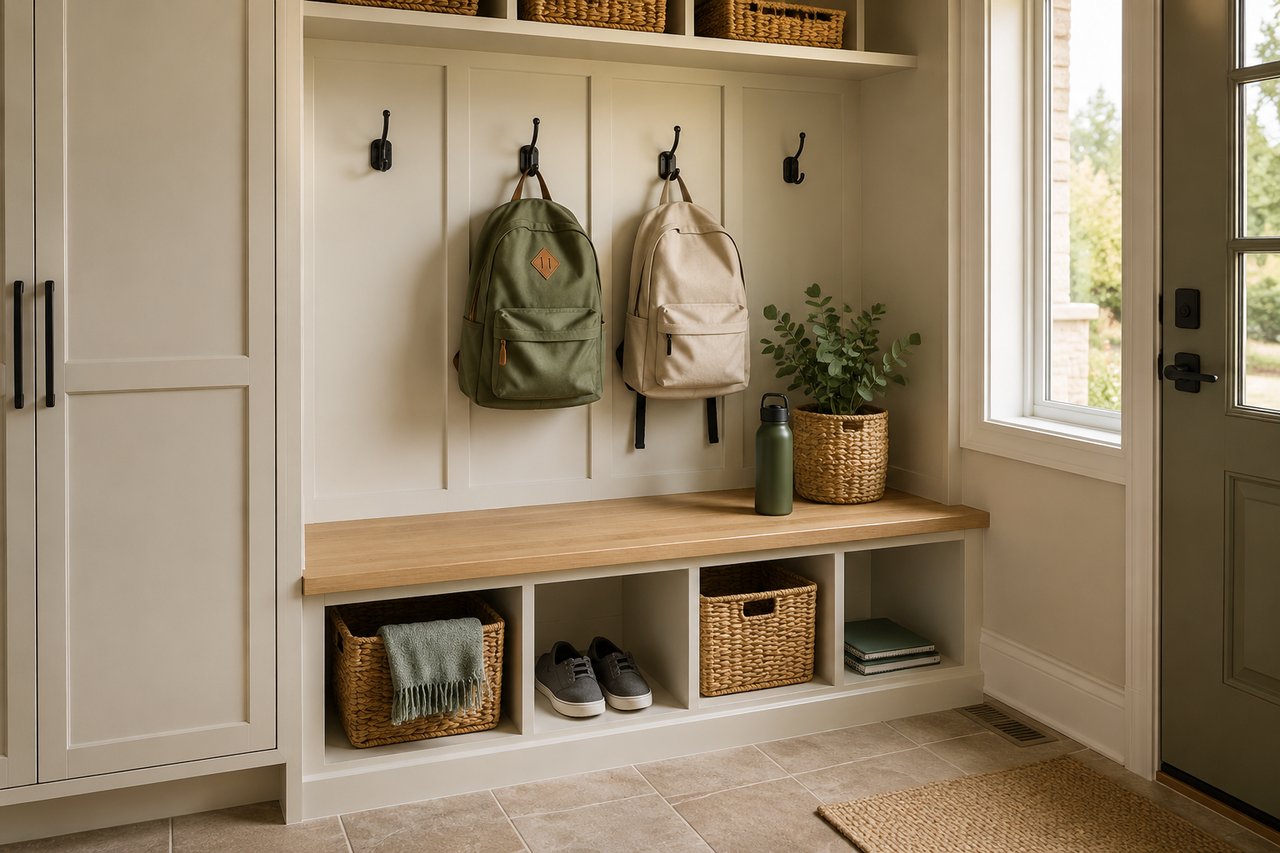
Storage that doesn’t photograph well
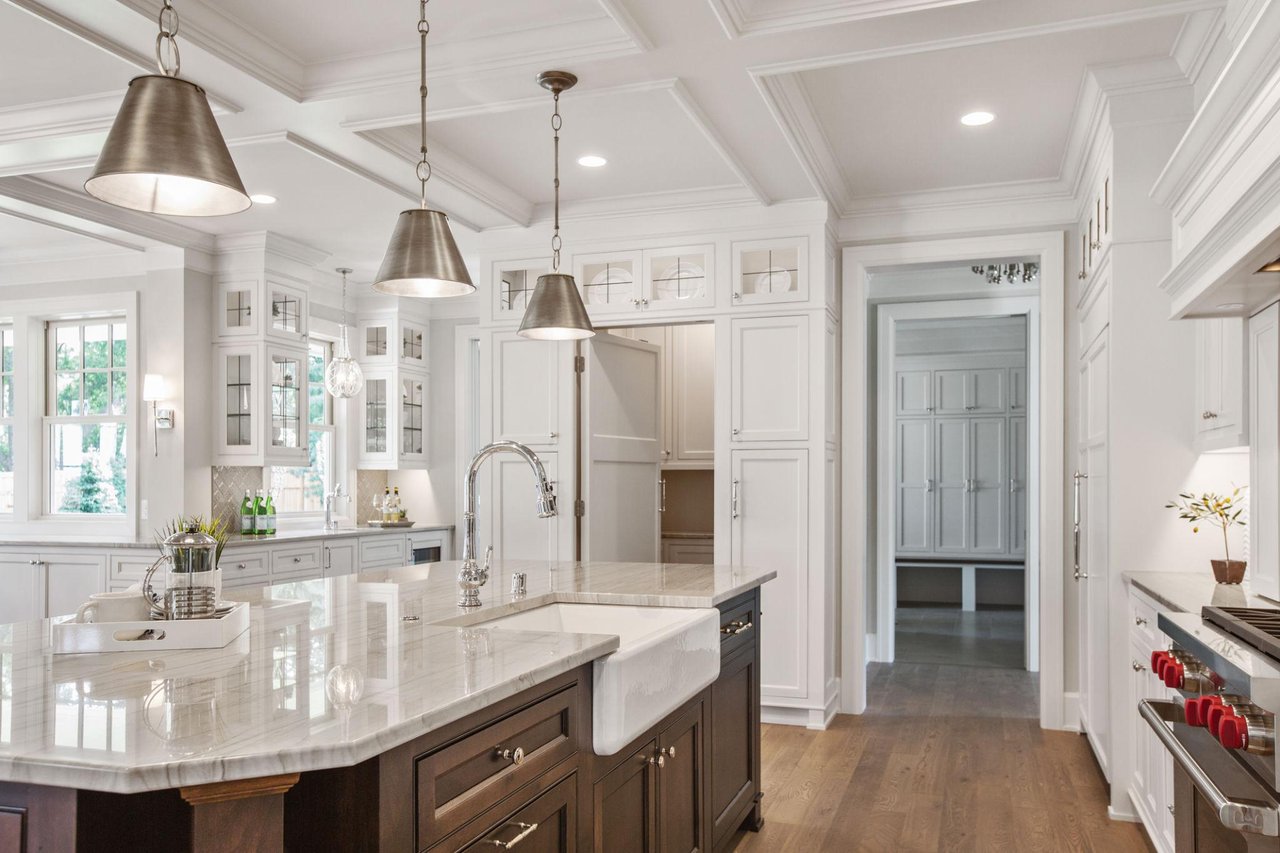
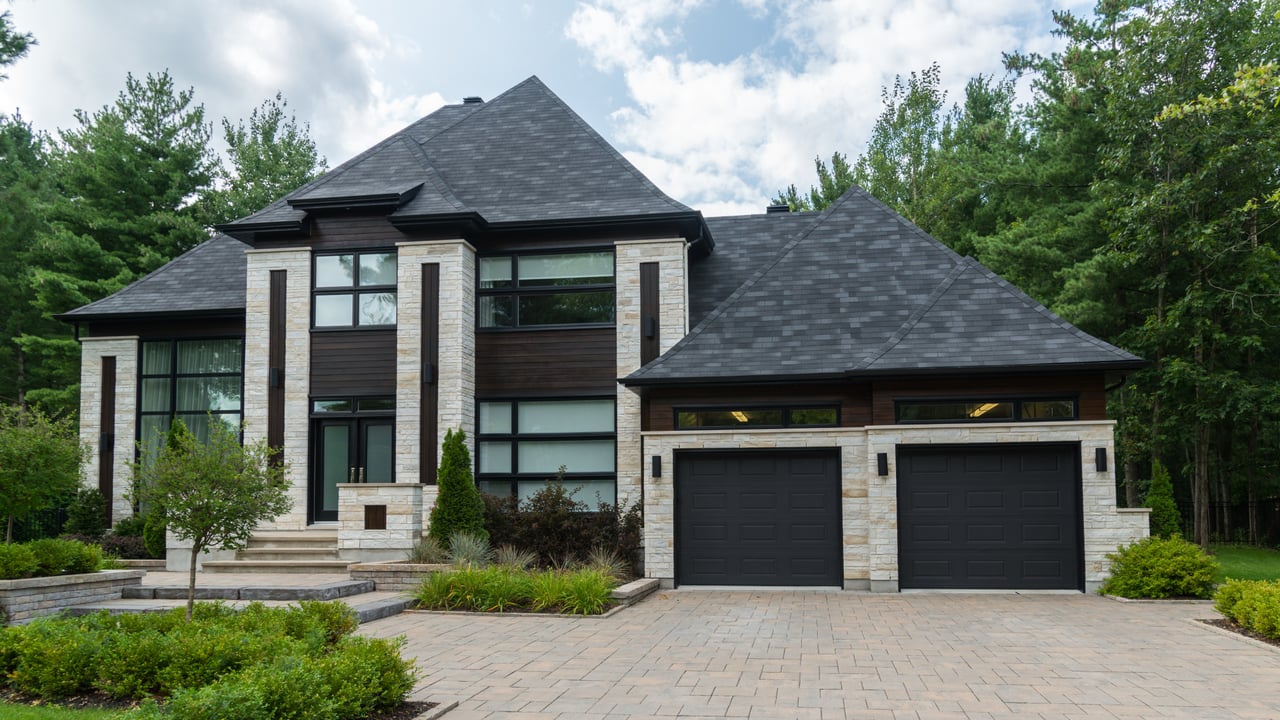
Closets, pantry depth, garage layout, drop zones. These rarely sell a home online, but they shape everyday ease more than almost anything else.
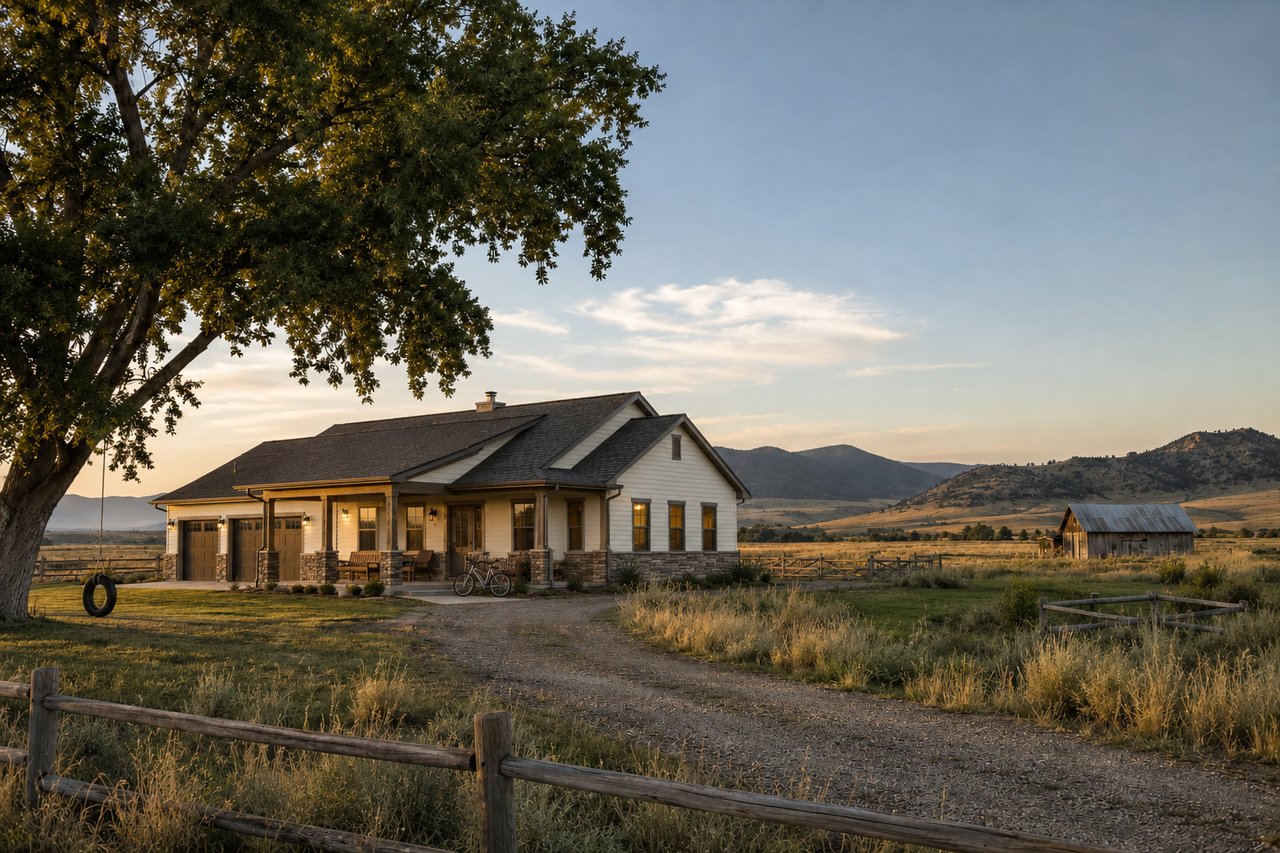
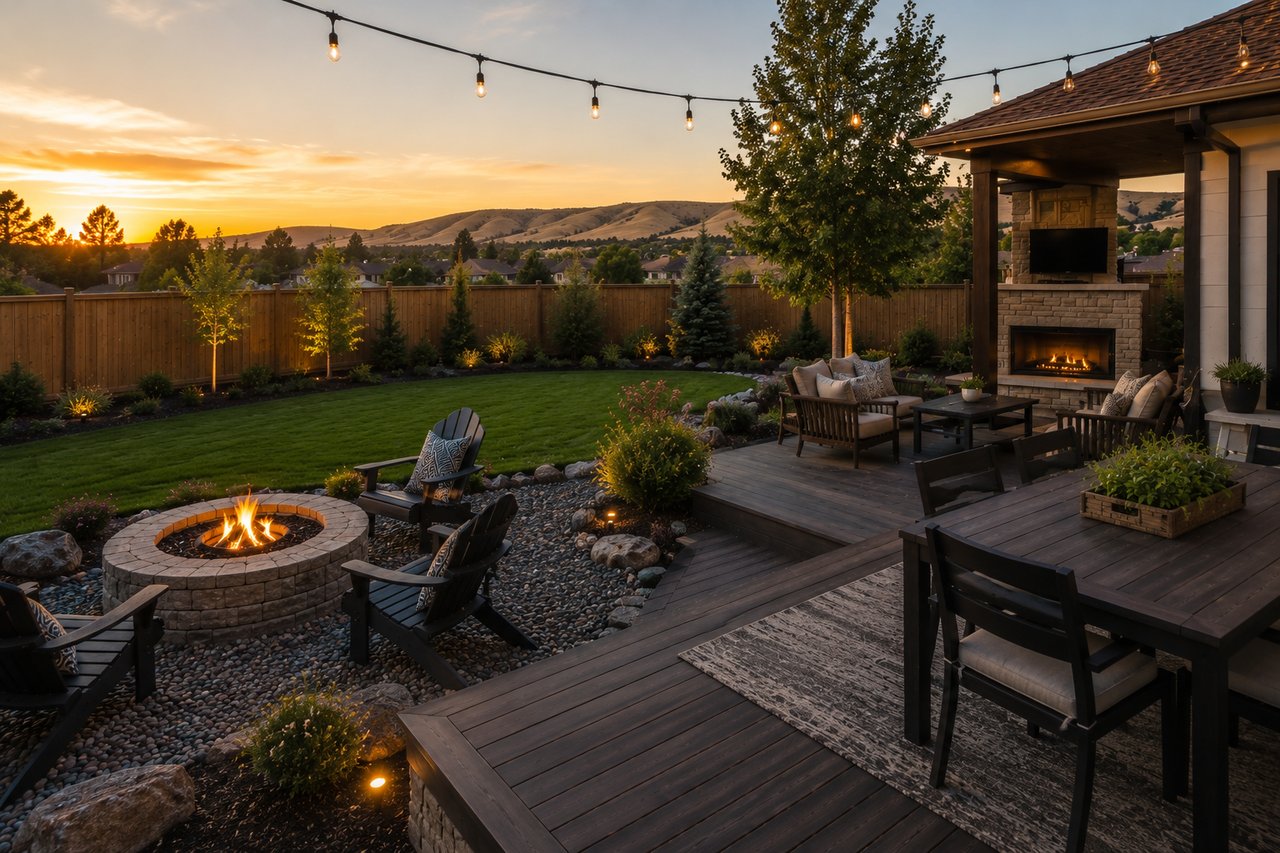
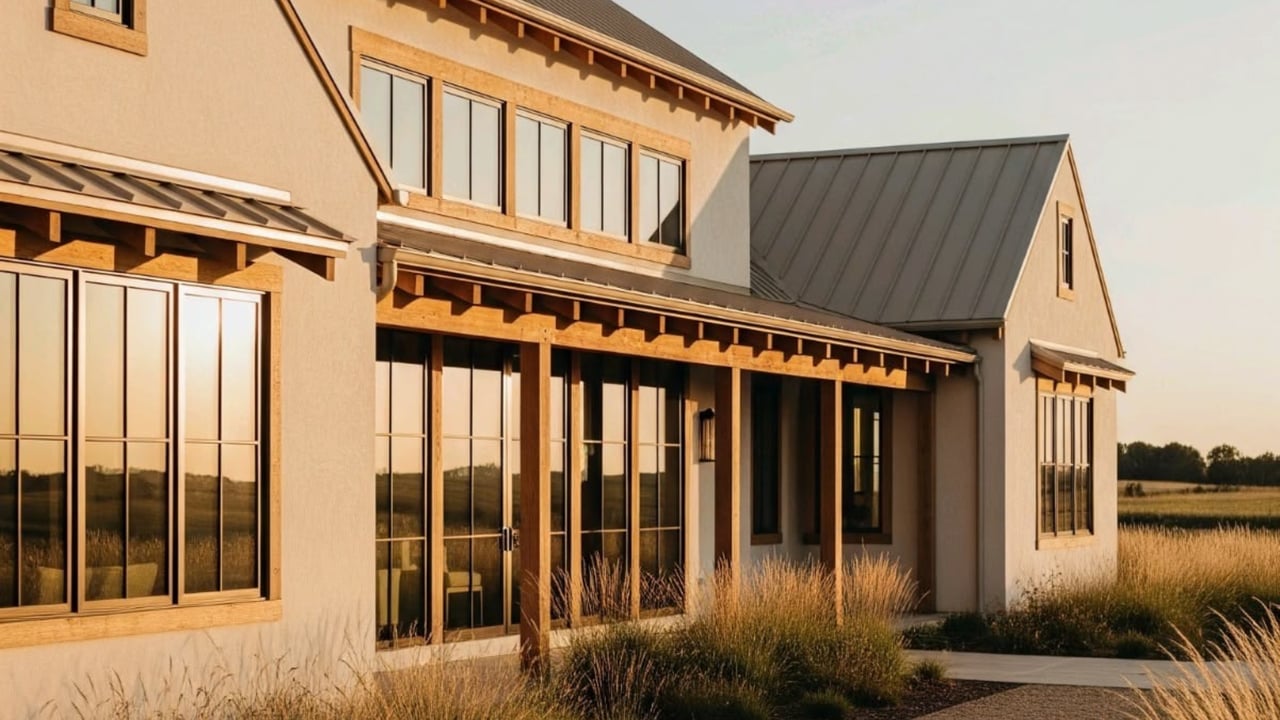
Outdoor space — even small ones
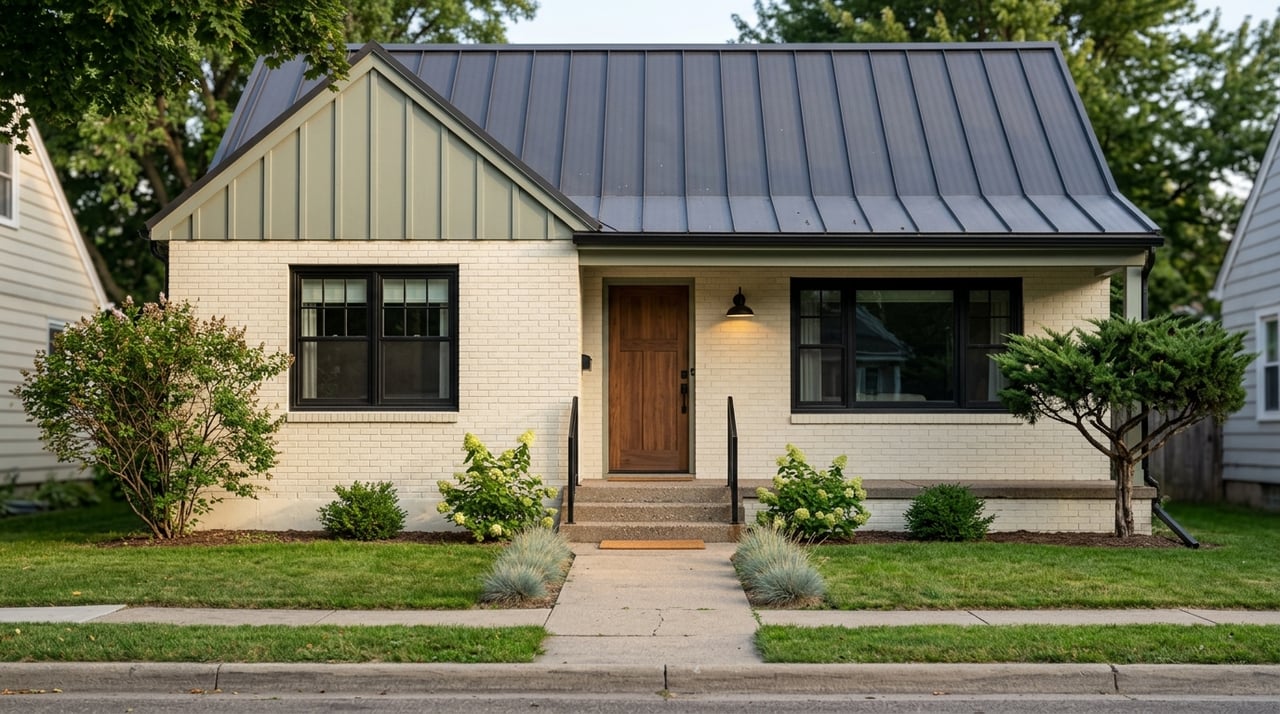
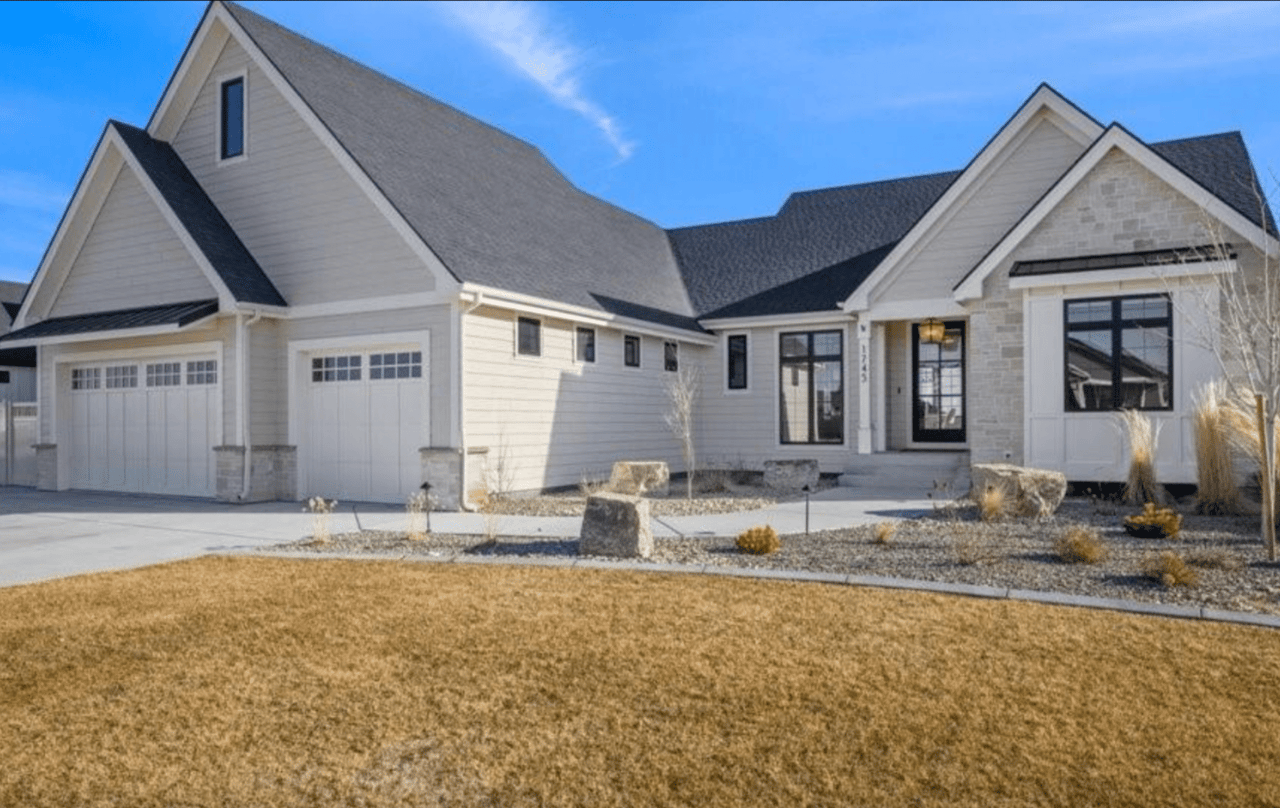
A covered porch, a side yard, a quiet corner. You don’t need acreage to feel grounded, but you do need somewhere to step outside and breathe.
Layouts that flex with real life
Rooms that can change purpose over time matter more than ever. Guest room to office. Dining space to homework zone. Homes that adapt tend to age better.
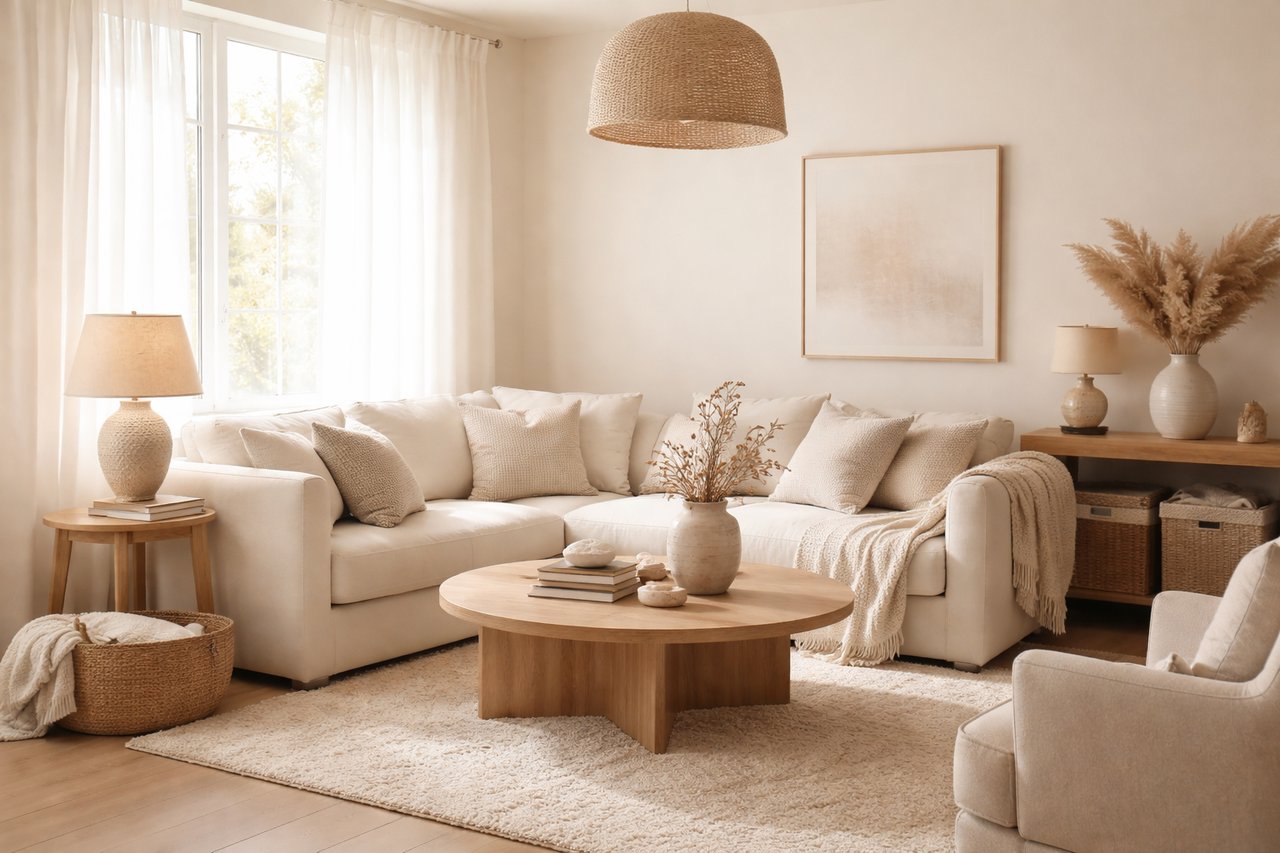
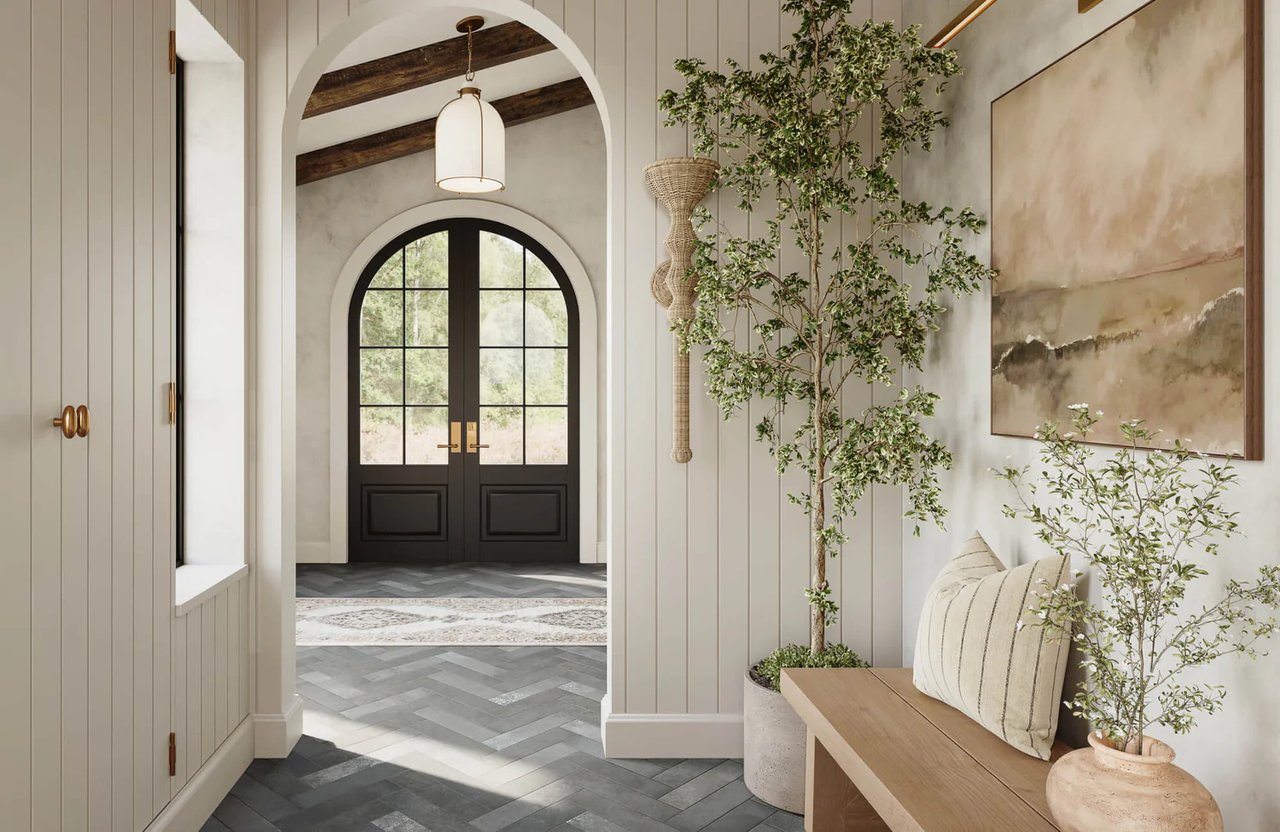
The feeling when you walk in the door
This part is hard to quantify, but it’s real. Some homes calm you. Some energize you. Some quietly stress you out. Paying attention to that first feeling can save a lot of second-guessing later.
Buying a home in 2026 is less about chasing the perfect house and more about choosing a space that supports how you actually live — now and in the seasons ahead.
The details that don’t get talked about much?
They’re often the ones that matter most.