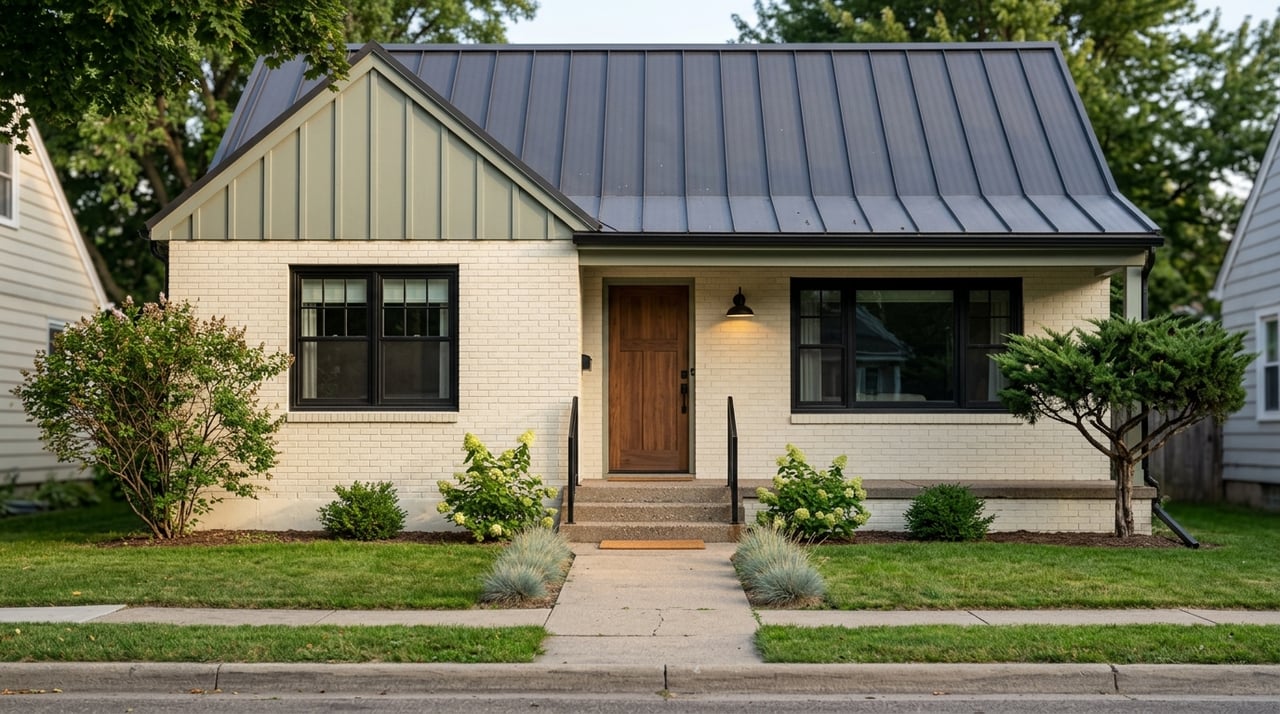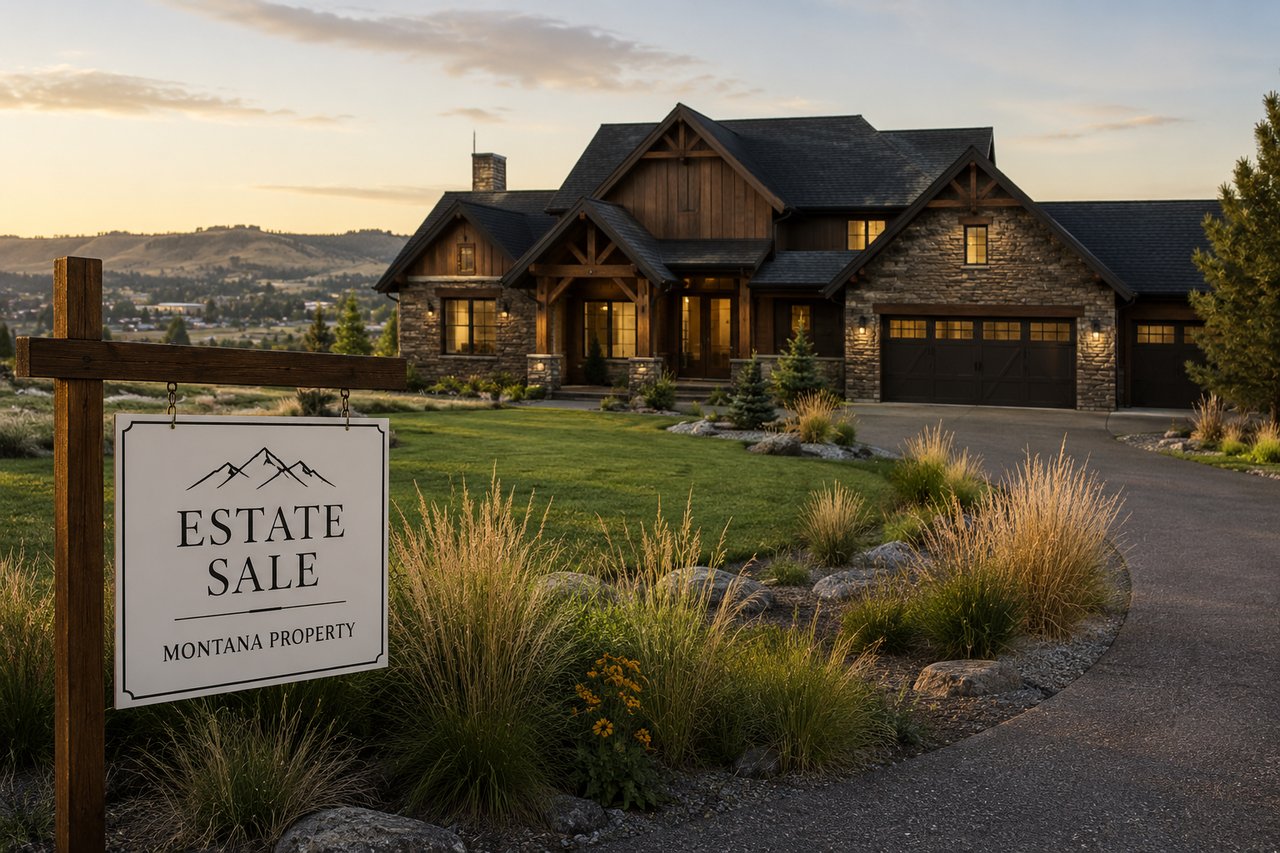
When a home has been in the family for years, it’s never just real estate. It holds memories, milestones, and meaning. But when it comes time to sell, the decisions made during that process can have a real impact on what gets passed down to the next generation.
In Montana, where land, legacy properties, and long-held family homes are common, selling an estate home the right way isn’t just important. It’s financial strategy.
Because generational wealth doesn’t just happen. It’s protected, maximized, and carried forward through smart decisions.
Why Estate Sales Matter More Than a Typical Sale
An estate home sale is often tied to a life transition. Whether it’s following a loss, downsizing, or settling an estate, there’s usually more at stake than just getting the home sold.
In many cases, this is one of the largest assets being transferred to heirs. That means every decision from pricing to preparation directly affects the final outcome.
Done right, it can create opportunity and financial stability for the next chapter.
Done poorly, it can leave money on the table that can’t be recovered.
Pricing It Right From the Start
One of the biggest mistakes in estate sales is pricing based on emotion instead of market data.
It’s easy to attach value based on memories or the length of ownership, but buyers don’t see history. They see condition, location, and comparable sales.
In Montana markets like Billings and surrounding areas, pricing correctly from day one is critical. Overpricing can cause a home to sit, lose momentum, and ultimately sell for less than it would have with a strategic launch.
The goal is to create demand early. That’s where stronger offers happen.
Preparation That Pays Off
Not every estate home needs a full renovation, but thoughtful preparation makes a measurable difference.
Simple updates can significantly increase perceived value:
- Fresh paint in neutral tones
- Deep cleaning and decluttering
- Minor repairs that remove red flags
- Light staging to help buyers visualize the space
Buyers are making quick decisions, often within minutes of walking in. A home that feels clean, cared for, and move-in ready will always outperform one that feels neglected.
Preparation isn’t about over-investing. It’s about knowing where small efforts create real return.
Timing the Market Matters
In Montana, seasonality plays a bigger role than many sellers expect.
Spring and early summer typically bring the most buyer activity, especially for family homes and properties with land. Listing during these windows can increase visibility, competition, and ultimately price.
That said, timing isn’t just about the calendar. It’s about readiness.
A well-prepared home hitting the market at the right moment will always outperform a rushed listing, no matter the season.
Strategy Over Sentiment
Selling an estate home can be emotional. That’s completely normal. But the most successful outcomes come from treating the process like a financial decision, not just a personal one.
That means:
- Using real market data to guide pricing
- Investing in preparation where it counts
- Launching with a clear strategy, not guesswork
Every step should be intentional, because each one directly impacts the final sale price.
What Gets Passed Down Isn’t Just the Home
At the end of the day, this isn’t just about selling a property.
It’s about what that sale becomes.
Handled strategically, an estate home sale can:
- Maximize the value distributed to heirs
- Reduce stress during an already emotional time
- Turn a family asset into lasting financial benefit
That’s how real estate becomes generational wealth.
Final Thoughts
Selling an estate home in Montana comes with unique considerations, from market timing to property type to emotional weight.
But one thing remains consistent. The right strategy makes all the difference.
If you’re navigating an estate sale and want to make sure you’re protecting the value of what’s being passed down, having the right guidance matters.
Because this isn’t just a sale. It’s a decision that carries forward.