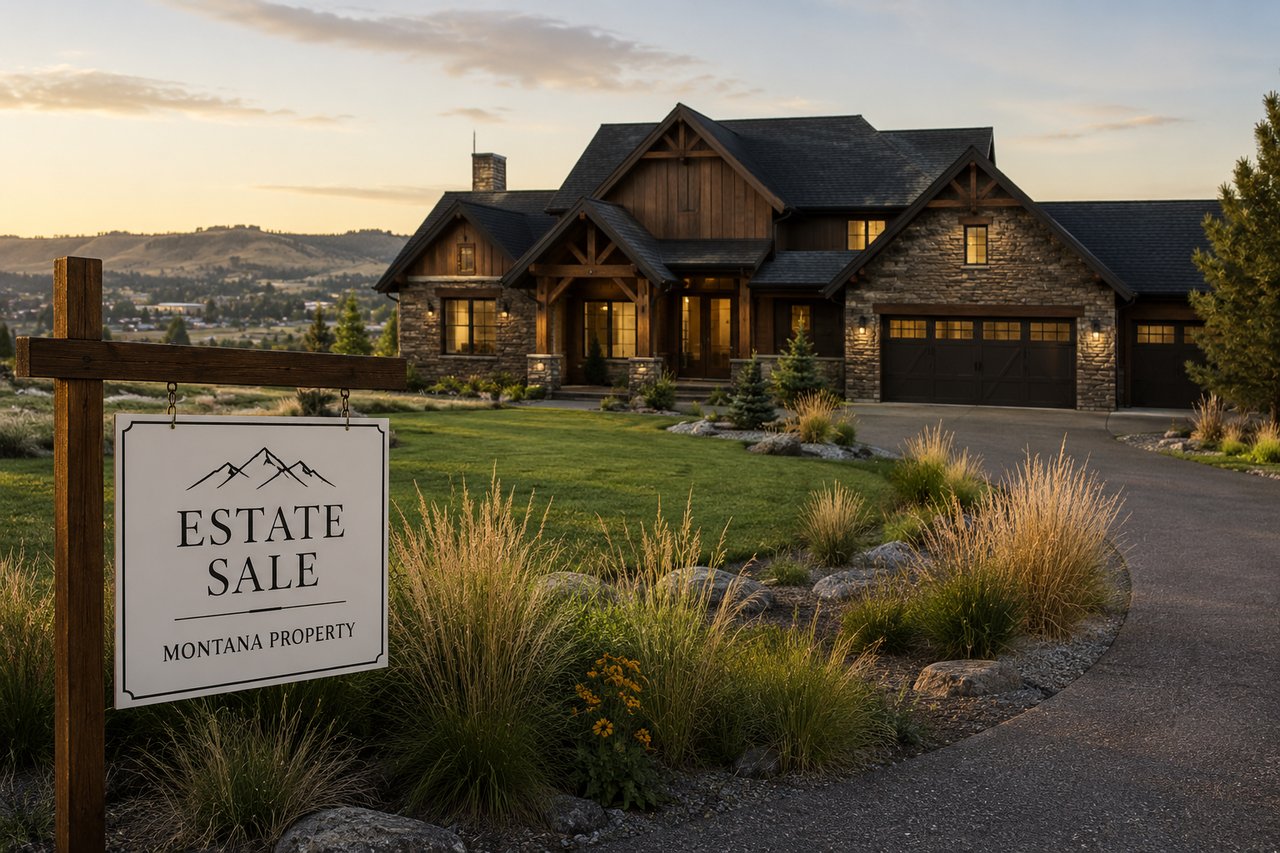
There’s a shift happening across Montana—and you can feel it in conversations long before a home ever hits the market.
More homeowners are starting to think ahead. Not because they have to, but because they want to make thoughtful decisions while they still have the time and clarity to do it well.
For many Baby Boomers, real estate isn’t just about property. It’s about lifestyle, legacy, and making sure the next chapter feels just as intentional as the last.
This isn’t a conversation that should only happen after a loss. The strongest plans are the ones made early.
Why Planning Ahead Matters
Montana continues to have a high rate of homeownership, and a significant portion of the population is age 65 and older. For many households, that means real estate decisions are becoming part of a broader conversation about retirement, long-term planning, and how they want to live in the years ahead.
For a lot of homeowners, the home they’ve lived in for decades may no longer match their day-to-day needs—but it still holds both financial and personal value.
That’s where planning ahead becomes important.
When It Might Be Time to Sell
Selling a home doesn’t have to be reactive. In many cases, it’s a decision that comes from recognizing a shift in lifestyle.
Some common indicators might include:
- The home requires more maintenance than you want to manage
- The layout no longer fits how you live day to day
- You’re spending more time elsewhere
- You’re starting to think about how to better use the equity you’ve built
There’s no one-size-fits-all answer here. The timing is personal—but thinking about it early gives you more flexibility when you’re ready to make a move.
What Downsizing Really Means
Downsizing isn’t about giving something up. It’s about simplifying and aligning your home with how you actually live now.
That might look like:
- Moving to a single-level home
- Choosing a lower-maintenance property
- Relocating closer to family, healthcare, or daily conveniences
- Reducing overall upkeep and expenses
For some, it’s about less space. For others, it’s about less responsibility.
Either way, it’s about creating a lifestyle that feels easier to manage.
Preparing an Estate Property Before You Need To
One of the most overlooked opportunities is preparing a home before it ever becomes an estate situation.
When decisions are made after a loss, everything tends to happen quickly—and often under stress.
Planning ahead allows you to:
- Declutter and organize over time
- Take care of maintenance or small repairs
- Gather important documents and property details
- Have clear conversations with family about intentions
In Montana, properties can come with added considerations—especially if they include land, outbuildings, wells, or septic systems. Understanding those elements ahead of time can make a significant difference later.
It’s also important to know that Montana law requires sellers to disclose known material issues with a property. Being prepared early helps make that process smoother when the time comes.
Montana-Specific Considerations
Real estate decisions here often come with a few added layers.
Things like:
- Seasonal weather that can impact timing and logistics
- Rural property features that may require additional attention
- Larger properties that take more time to prepare or transition
These aren’t obstacles—they’re just factors to be aware of as you plan.
Starting the Conversation
The hardest part is usually just starting.
Whether you’re thinking about selling in the next year or simply want to understand your options, having a plan in place gives you more control—and more peace of mind.
This isn’t about rushing a decision. It’s about being prepared when the time feels right.
Because the best transitions aren’t the ones that happen quickly.
They’re the ones that are thought through, step by step, with intention behind every move.
If you’ve been thinking about what’s next, you’re not alone. And you don’t have to figure it out all at once.