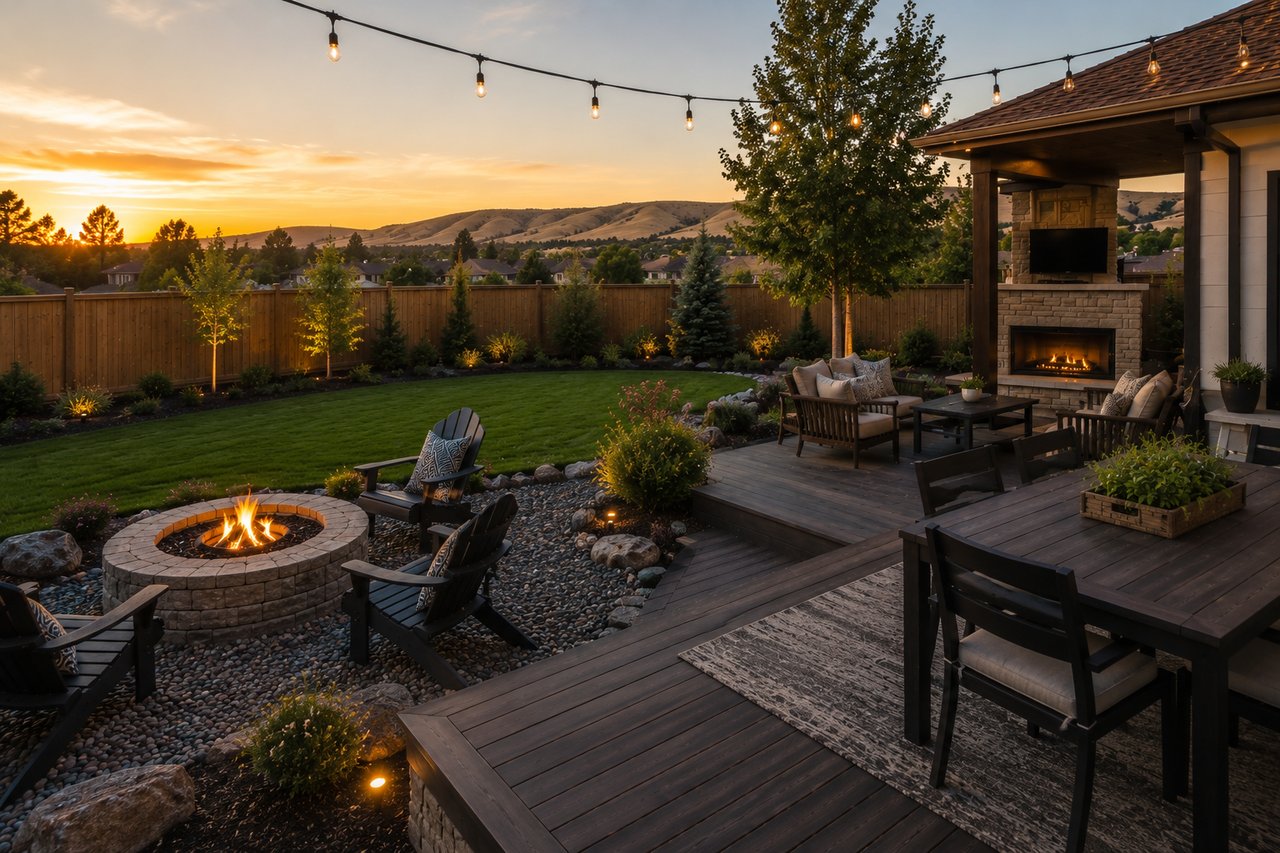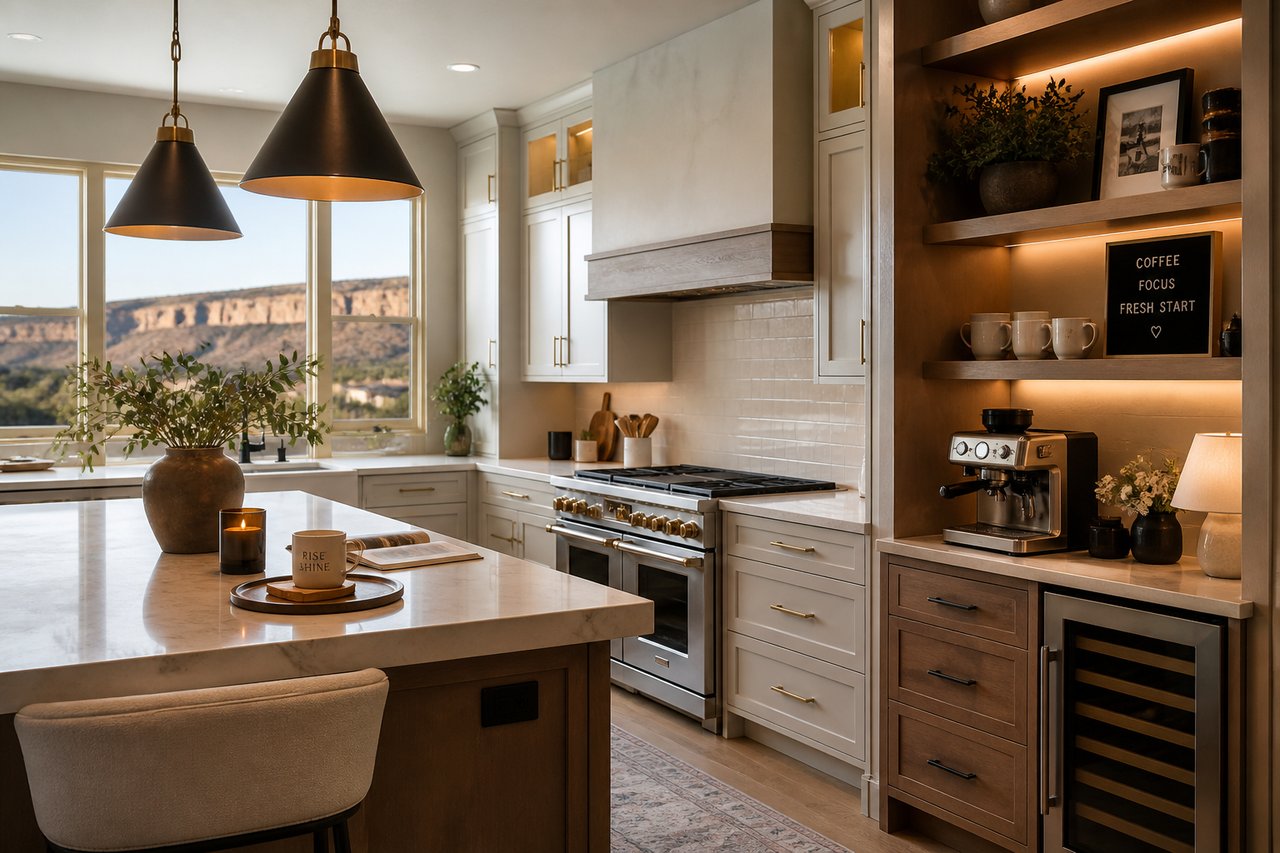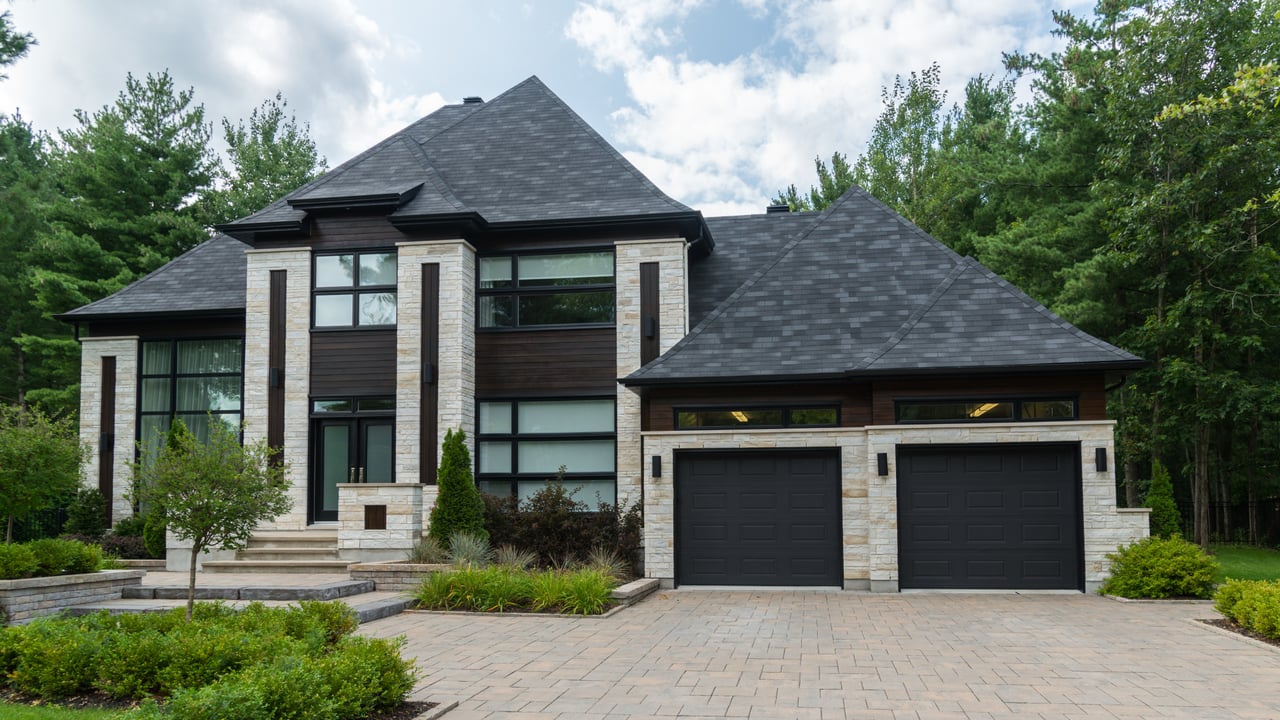
When people hear the words “high-end home,” they often picture custom cabinetry, luxury finishes and a renovation budget to match. But after walking through so many different homes, I have learned that the spaces that feel the most elevated are not always the ones with the highest price tags.
More often, it comes down to thoughtful choices.
A room feels polished when the proportions are right, the lighting is warm, the finishes make sense together and the little details have been taken care of. You do not have to replace everything or chase every new design trend. In fact, a few small and intentional updates can make a bigger difference than filling a room with more décor.
If you want your home to feel more finished, more inviting and just a little more luxurious, these are seven changes I would start with.
1. Correct the Scale of the Room
One of the biggest differences between a room that feels thoughtfully designed and one that feels unfinished is scale.
Small rugs, tiny artwork and undersized light fixtures can make even a beautiful room feel disconnected. Instead of adding more pieces, look at whether the pieces you already have are substantial enough for the space.
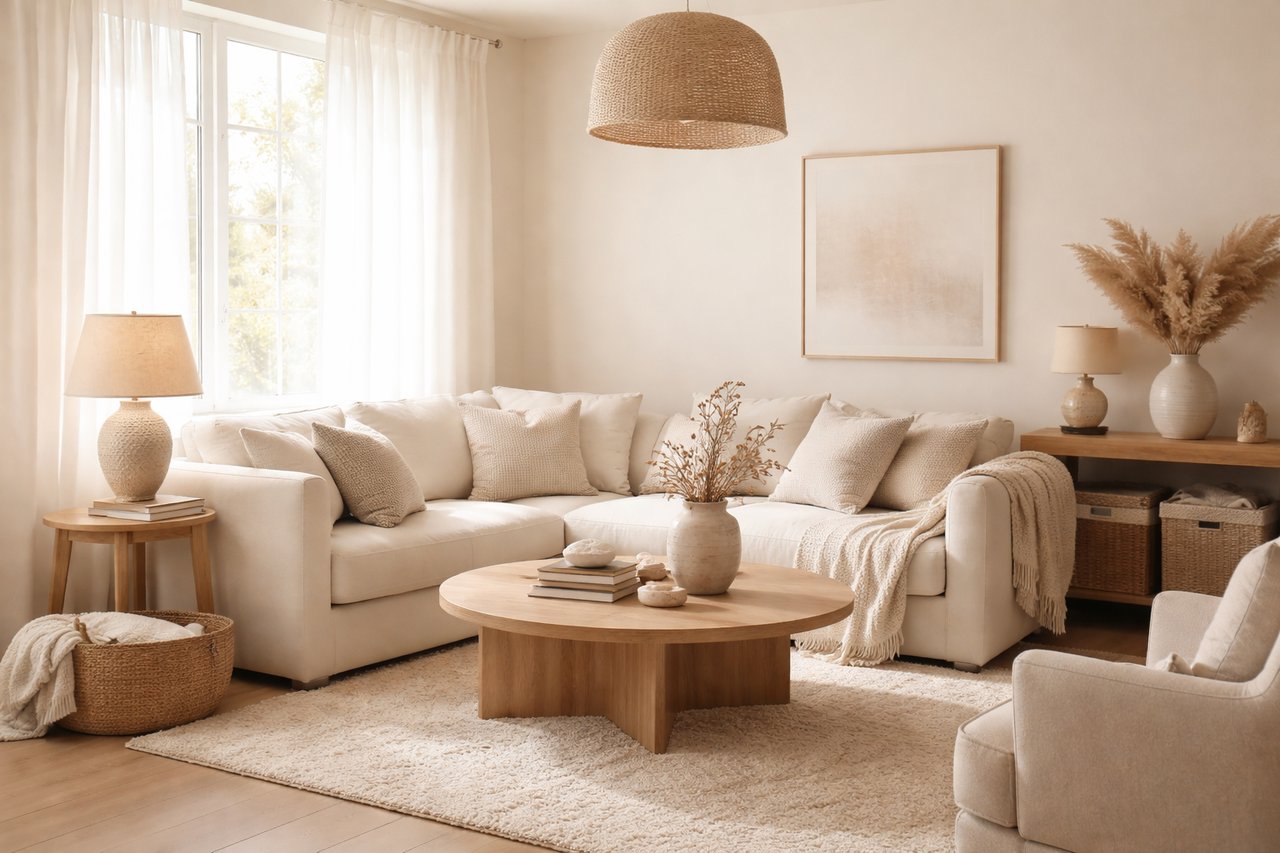
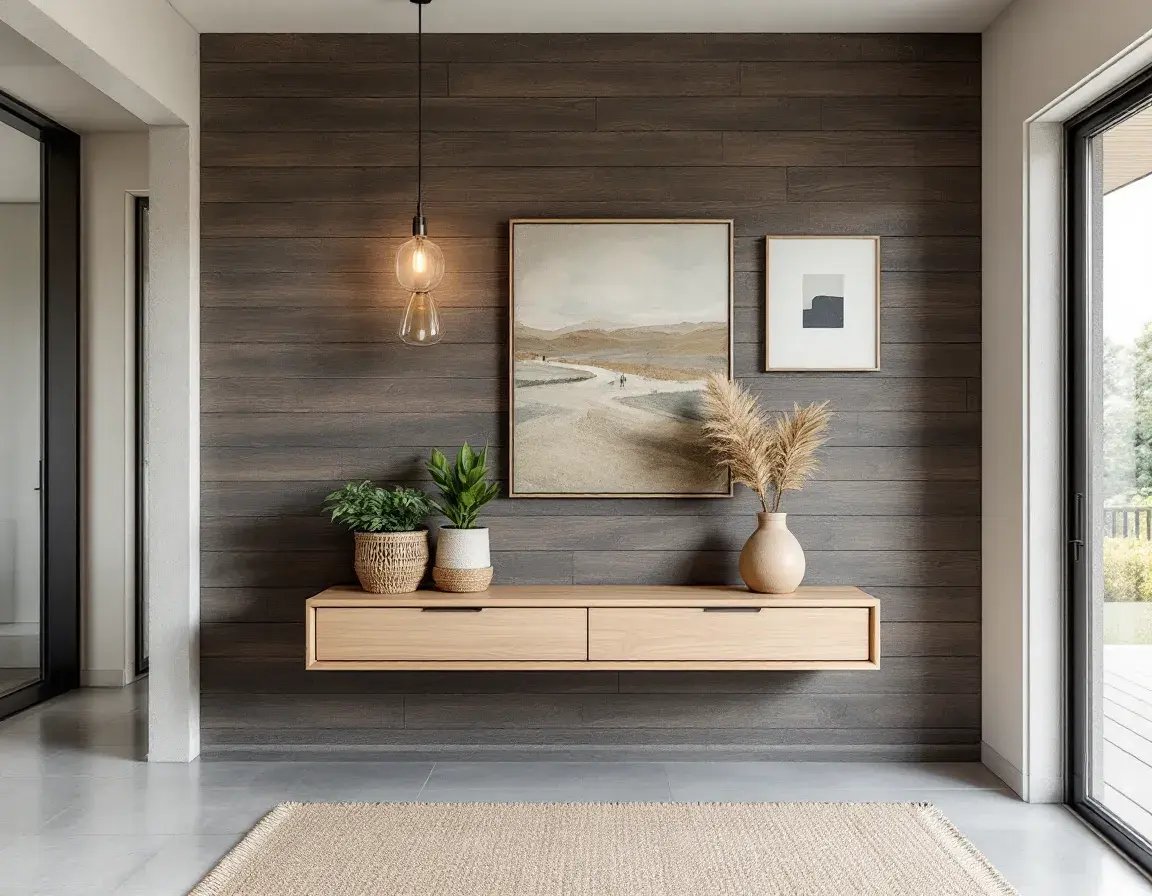
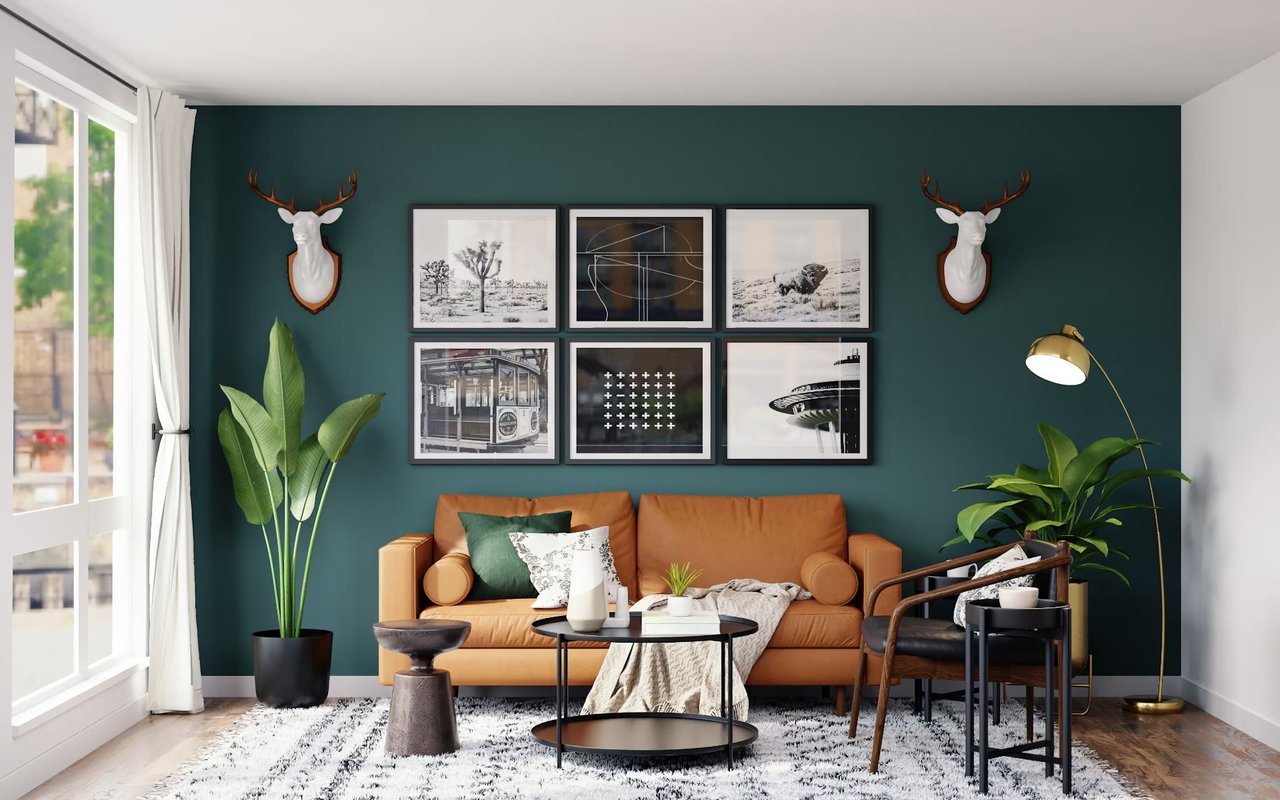
In a living room, the rug should help anchor the seating area. Ideally, at least the front legs of the sofa and chairs should sit on it. Above a sofa, bed or console, artwork should feel connected to the furniture beneath it rather than floating alone on the wall. A good starting point is to choose art that is roughly two-thirds the width of the furniture, although the right size will always depend on the room.
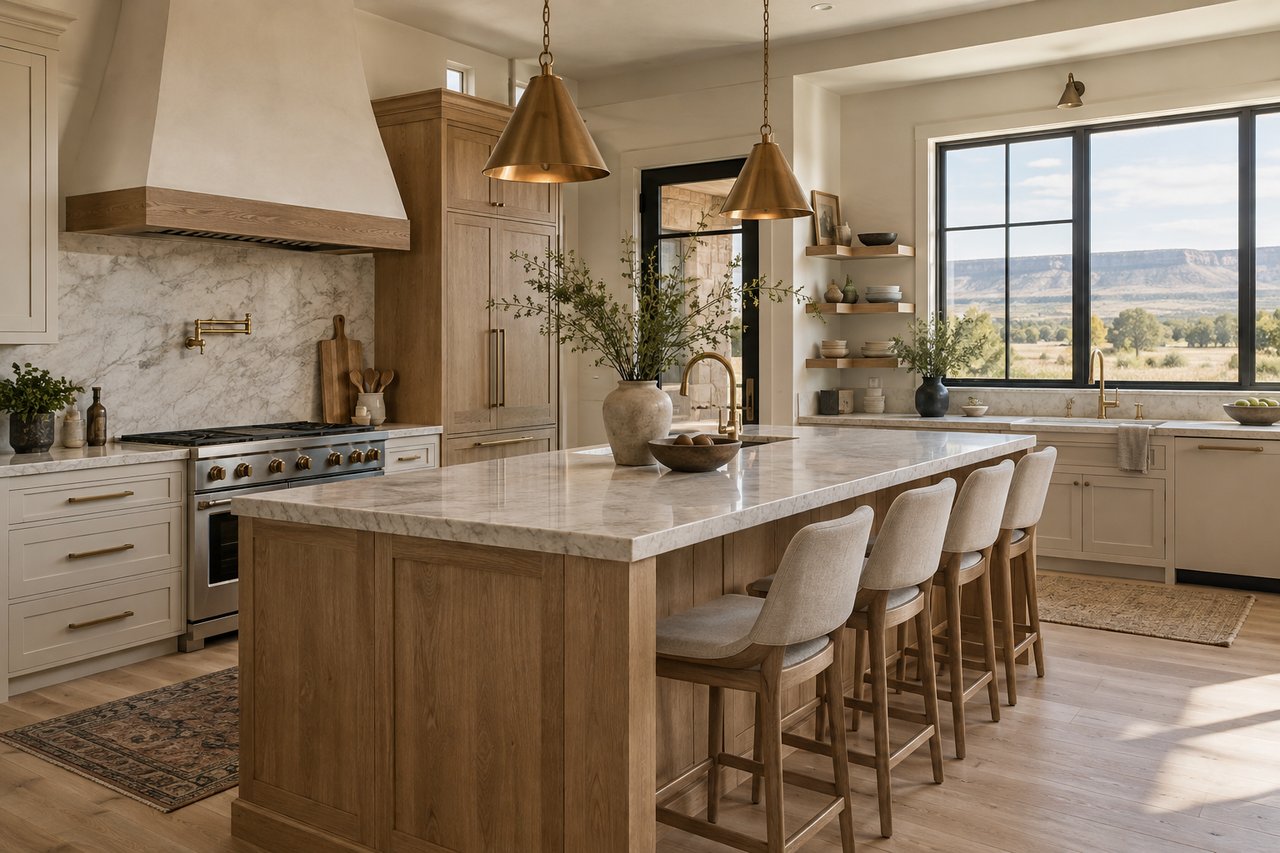
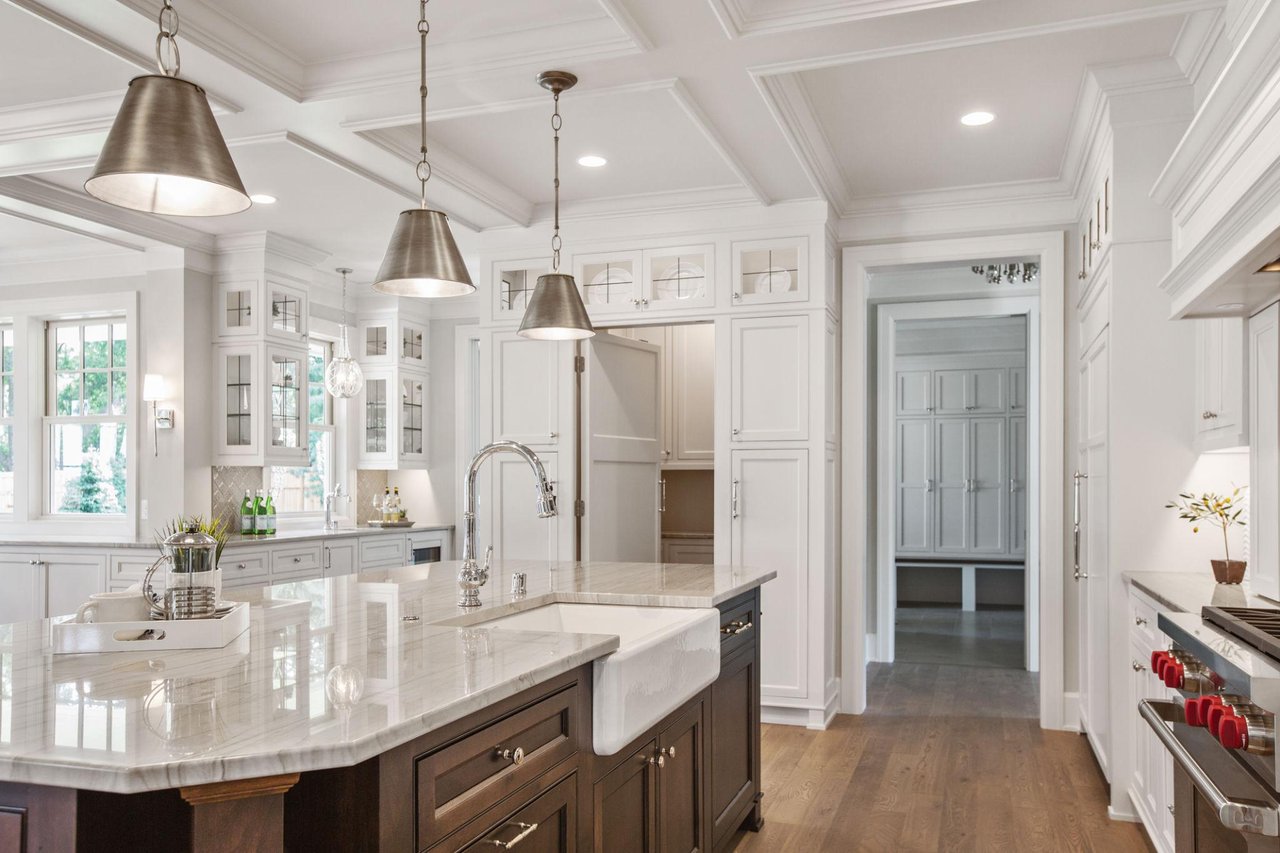
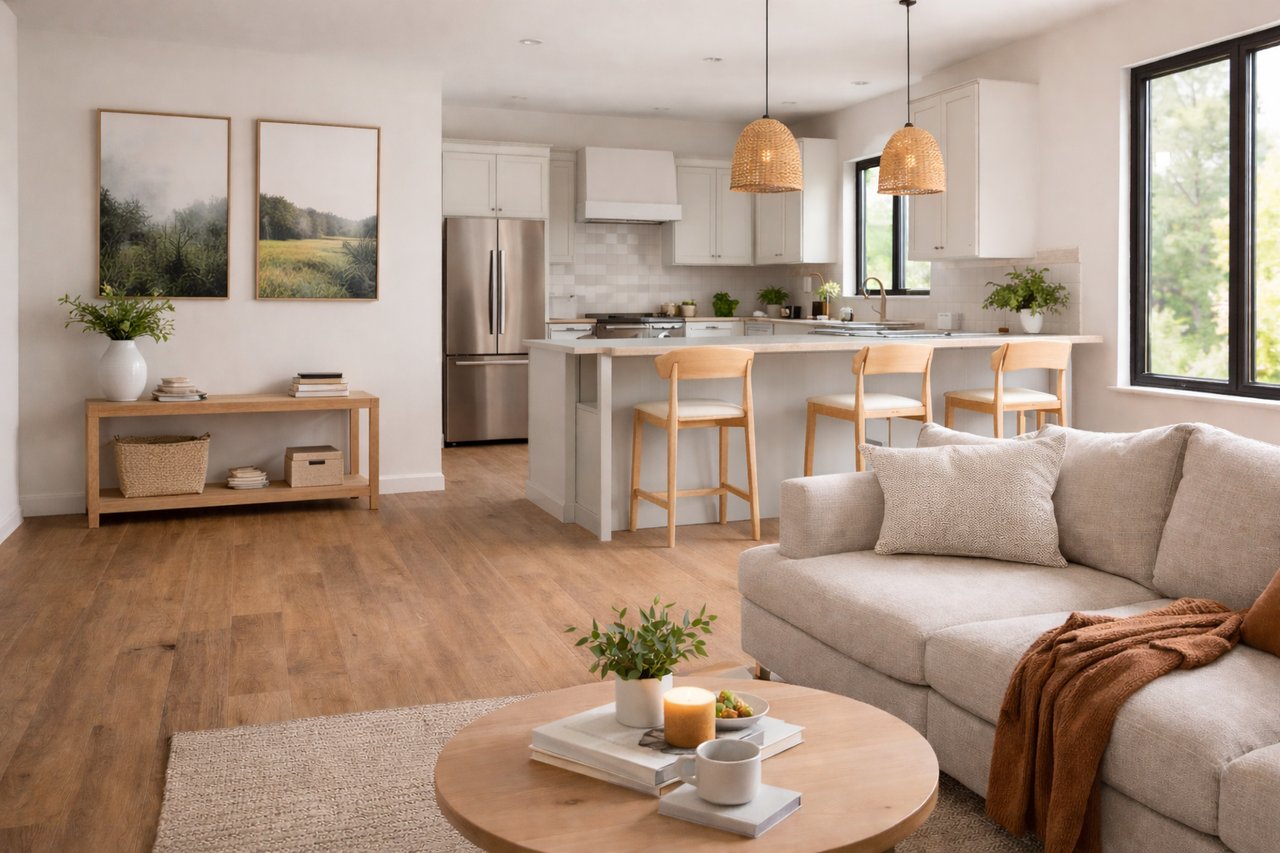
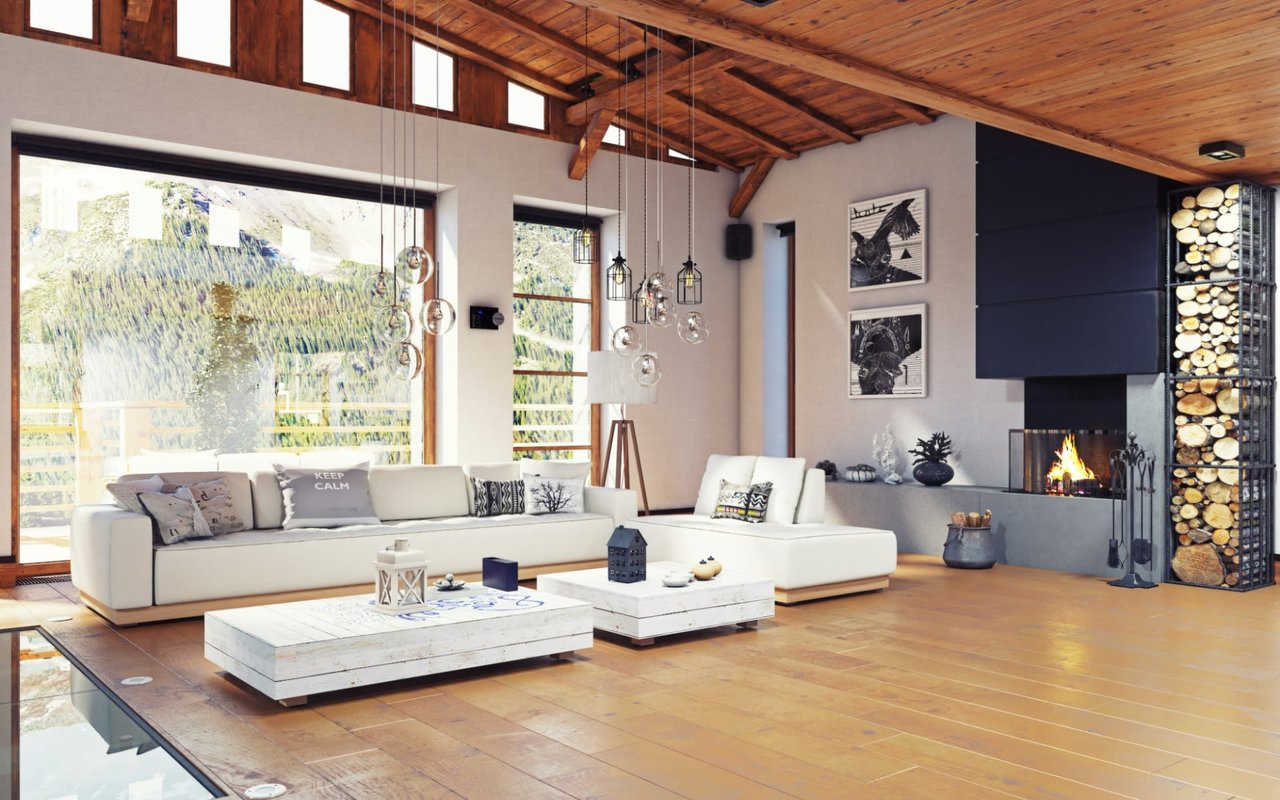
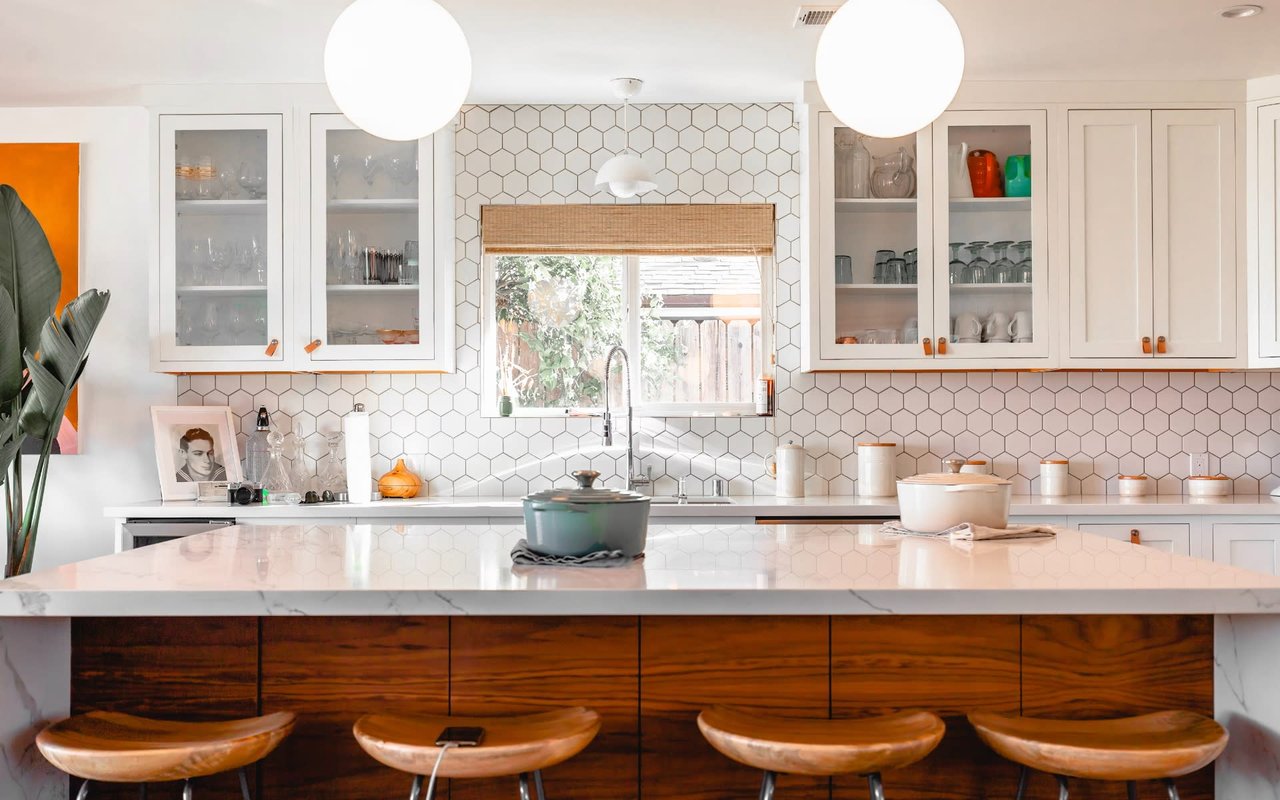
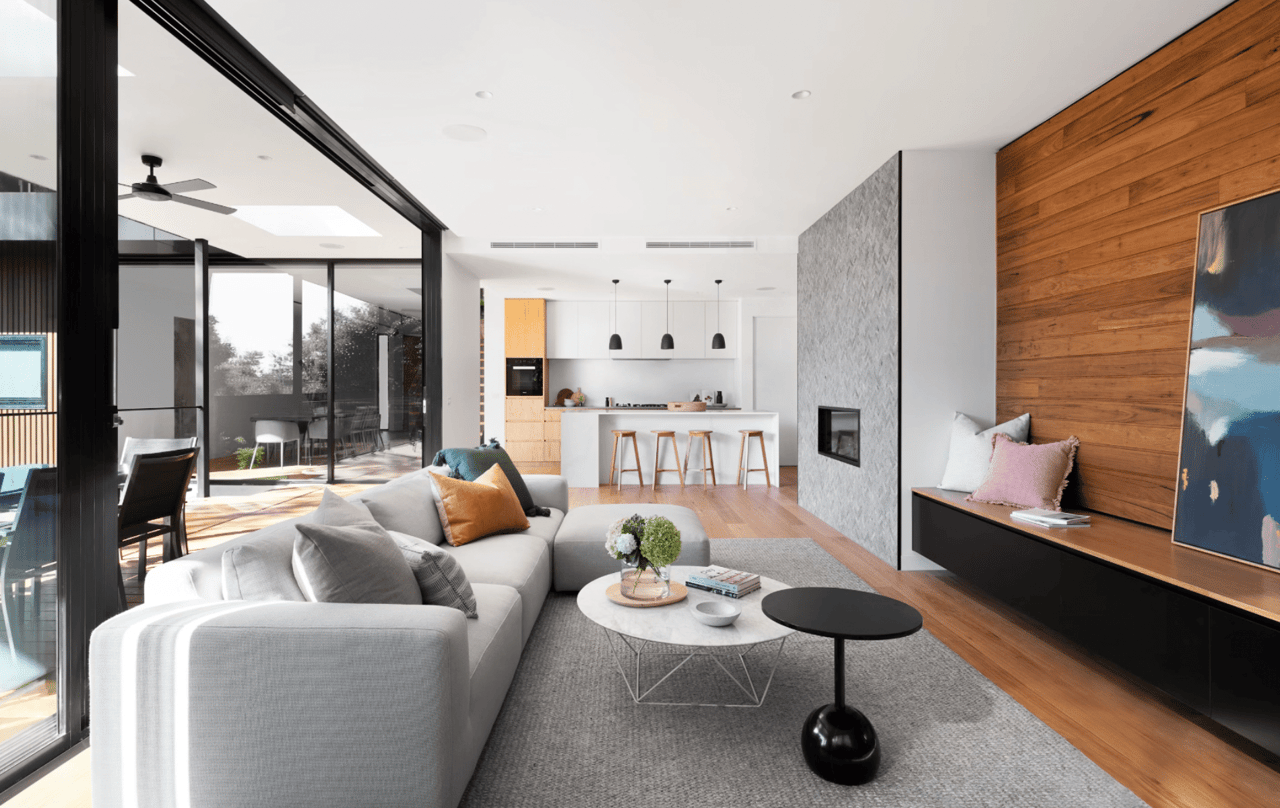
Lighting matters here too. A larger pendant over an island or a more substantial fixture over a dining table can create a focal point and make the entire space feel intentional.
Before buying several new accessories, try changing the scale of one important piece. One large piece of art, one properly sized rug or one beautiful light fixture will usually make a stronger impression than several small additions.
2. Make the Lighting Feel Warm and Consistent
Lighting can completely change how a home feels, yet it is one of the most overlooked details.
Walk through your home in the evening and look at the color of the light in each room. If one bulb looks cool and blue while another looks yellow, the space will feel uneven. Replacing mismatched bulbs with the same color temperature creates an immediate sense of consistency.
For living rooms, bedrooms and other spaces meant to feel comfortable, warm white bulbs around 2700K to 3000K are usually a good choice. Look for bulbs with a high color rendering index, often marked as a CRI of 90 or higher, so paint colors, wood tones and fabrics look more natural.
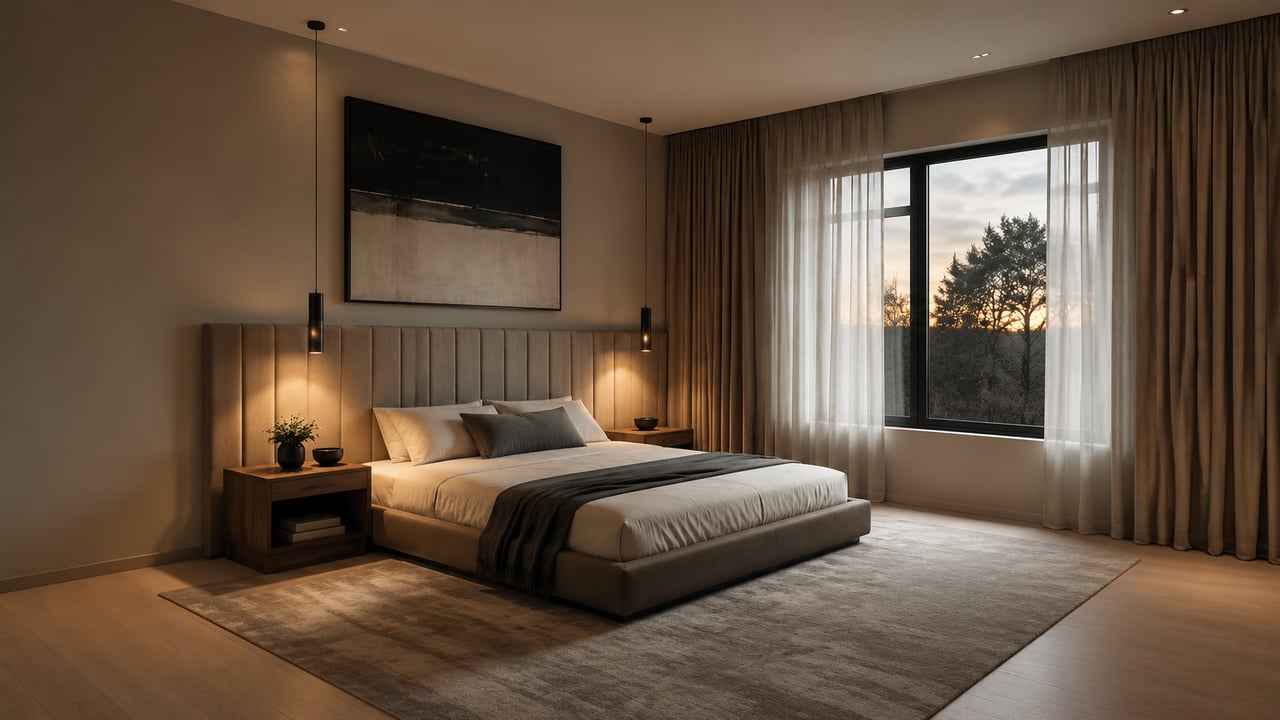
The most inviting homes also use more than one source of light. Rather than relying entirely on a bright overhead fixture, layer in table lamps, floor lamps, sconces or under-cabinet lighting. Dimmer switches are another small upgrade that can make a room feel dramatically better at different times of day. Just make sure the bulbs, fixtures and dimmers are compatible, and use a qualified electrician for hardwired changes.
Good lighting should make a room feel warm and comfortable without calling attention to itself.
3. Hang Curtains Higher, Wider and Fuller
Window treatments can make a room look taller, softer and more complete, but placement makes all the difference.
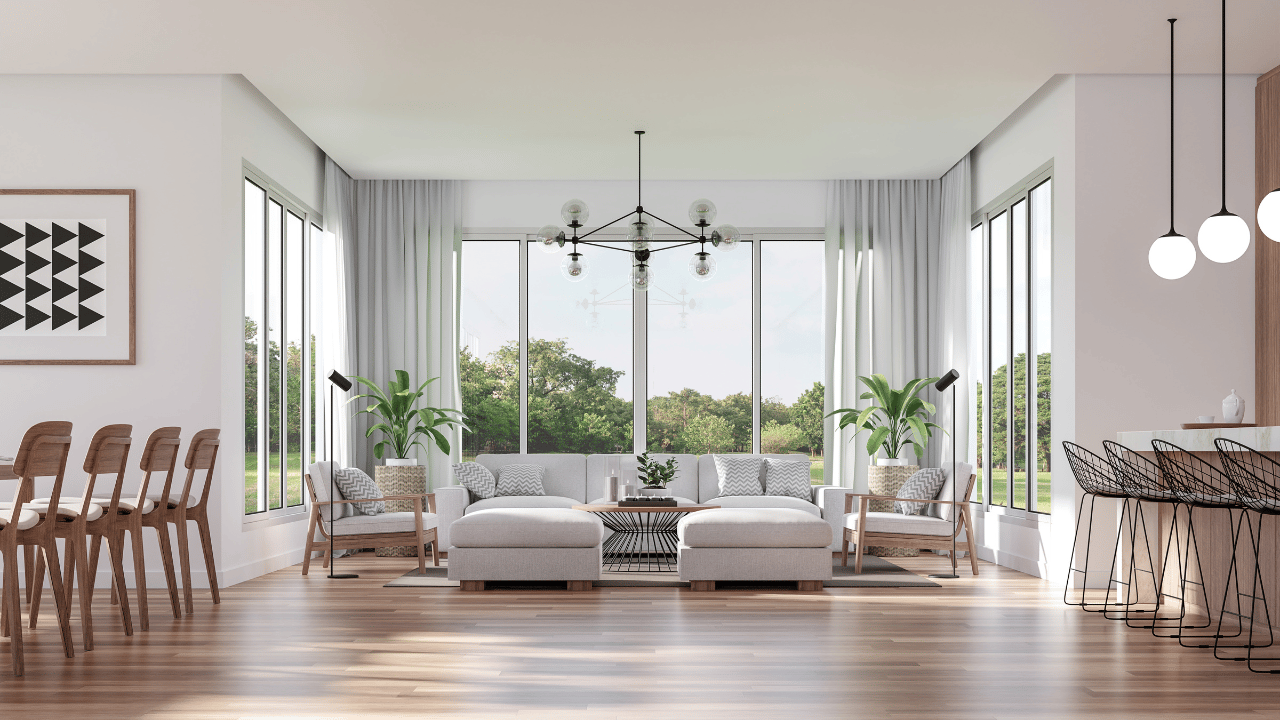
Instead of mounting the curtain rod directly above the window frame, place it closer to the ceiling when the room allows. Extend the rod beyond both sides of the window so the panels can rest mostly outside the glass when open. This exposes more natural light and makes the window appear larger.
Curtains should also reach the floor. Panels that stop several inches short can make the proportions of the room feel off. For a clean look, let them just meet the floor. If you prefer something softer and more traditional, a slight break at the bottom can be beautiful too.
Fullness is just as important as length. A single narrow panel stretched across a wide window will rarely look finished. As a general guide, the combined width of the panels should be about one-and-a-half to two times the width of the window or rod.
You do not need a bold pattern or an expensive custom fabric. A simple linen-look panel in a warm neutral can add softness and make the whole room feel more elevated.
4. Upgrade the Details You Touch Every Day
Some of the smallest features in a home are also the ones we interact with the most. Door handles, cabinet pulls, faucets, light switches and outlet covers may not seem like major design elements, but together they have an enormous effect on how finished a home feels.
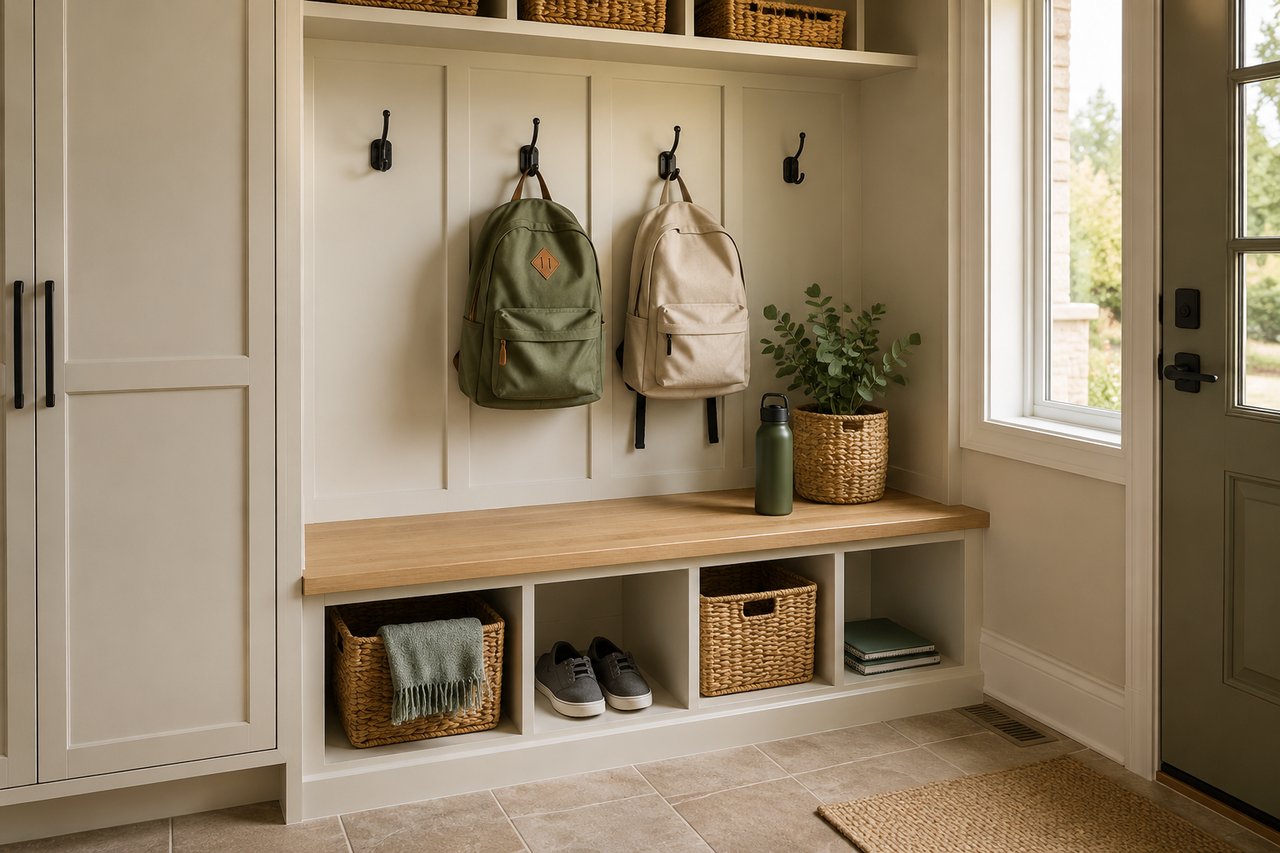
Start with the areas that are used and seen most often. Replacing lightweight or dated cabinet hardware with something more substantial can refresh a kitchen or bathroom without changing the cabinetry. New interior door handles can also create consistency from one room to the next.
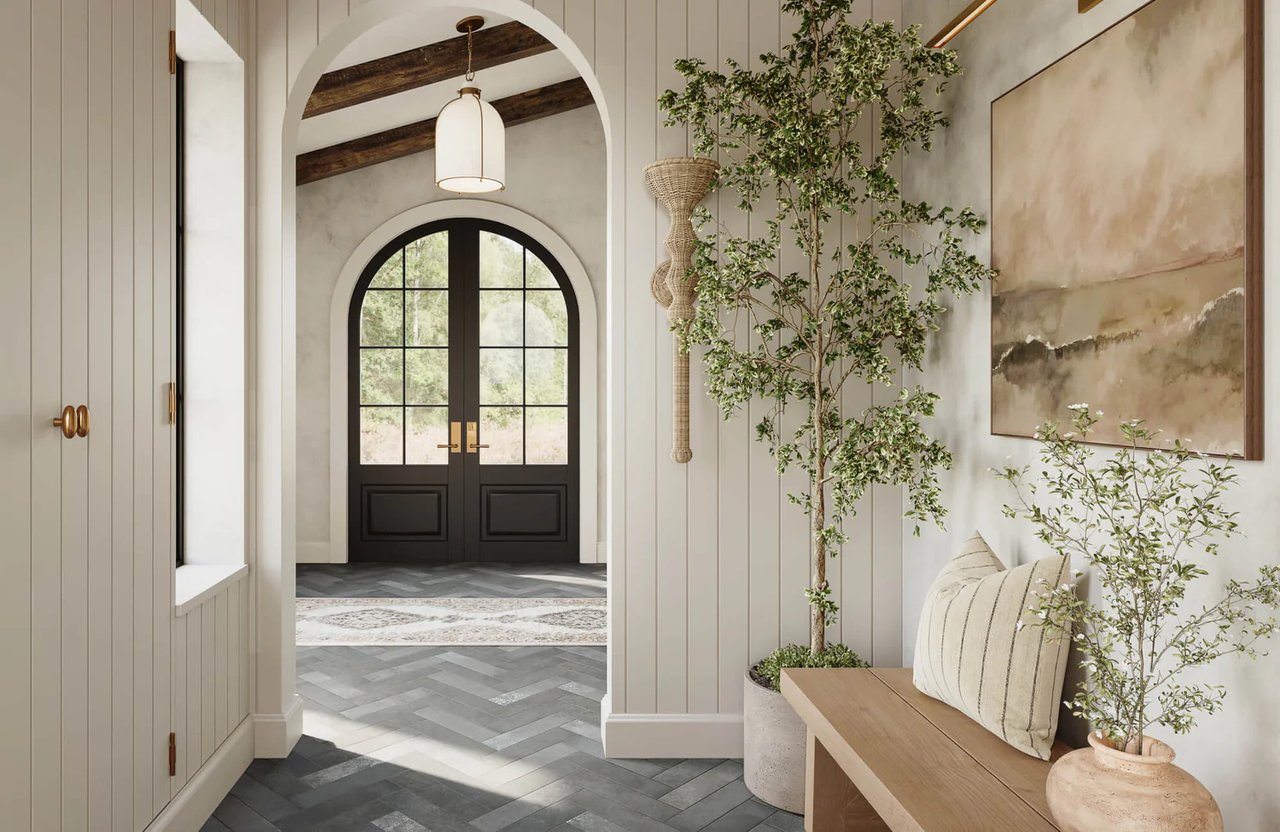
The finishes do not have to match perfectly, but they should look intentional. A home can absolutely include more than one metal finish. The key is to repeat each finish often enough that it feels like part of the plan. For example, black door hardware can work beautifully with warm brass lighting and plumbing fixtures when those choices are carried throughout the connected spaces.
If you are replacing cabinet pulls, measure the distance between the existing screw holes before ordering. Choosing the same size will make the update much easier and prevent unnecessary patching or drilling.
This is one of those improvements that may seem subtle in photographs but feels surprisingly noticeable in person.
5. Give the Paint, Trim and Doors a Plan
Fresh paint can transform a room, but the most polished spaces go beyond simply choosing a new wall color.
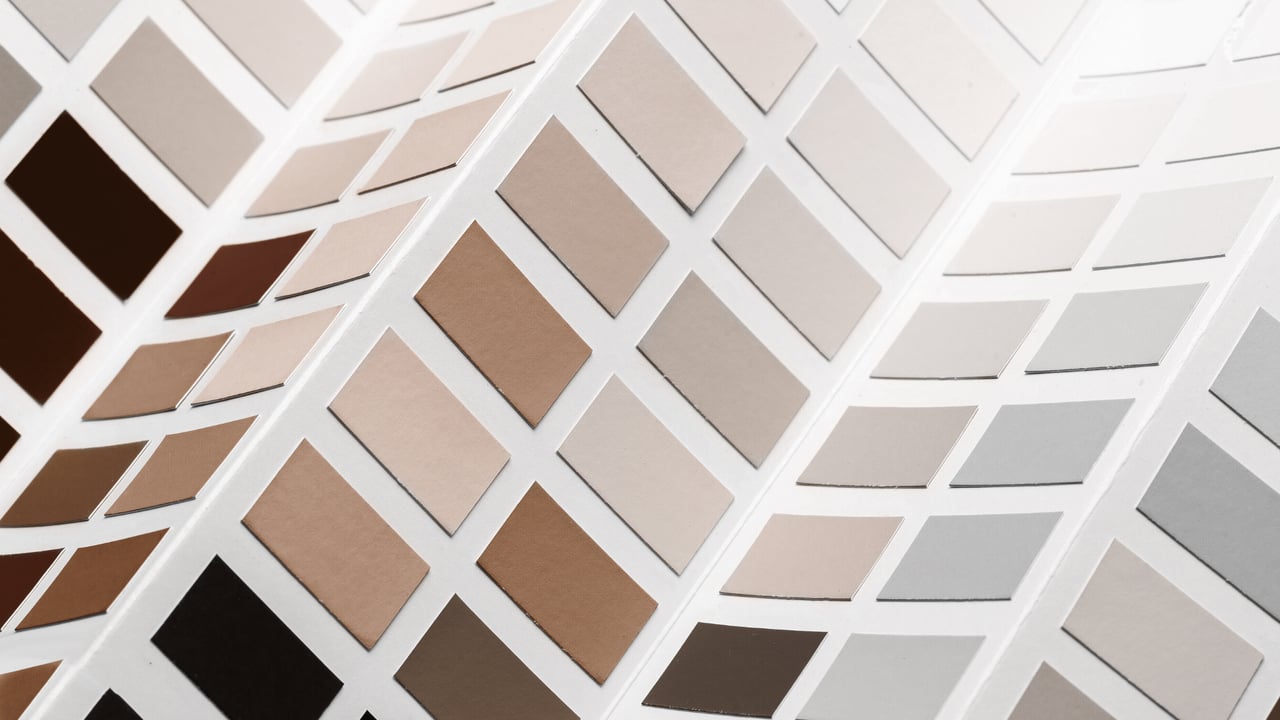
Look at the walls, trim, doors and ceiling together. Do the whites share the same undertone, or does one look yellow next to another that looks blue? Are the doors scuffed or faded? Is a stark white trim color creating more contrast than the room needs?
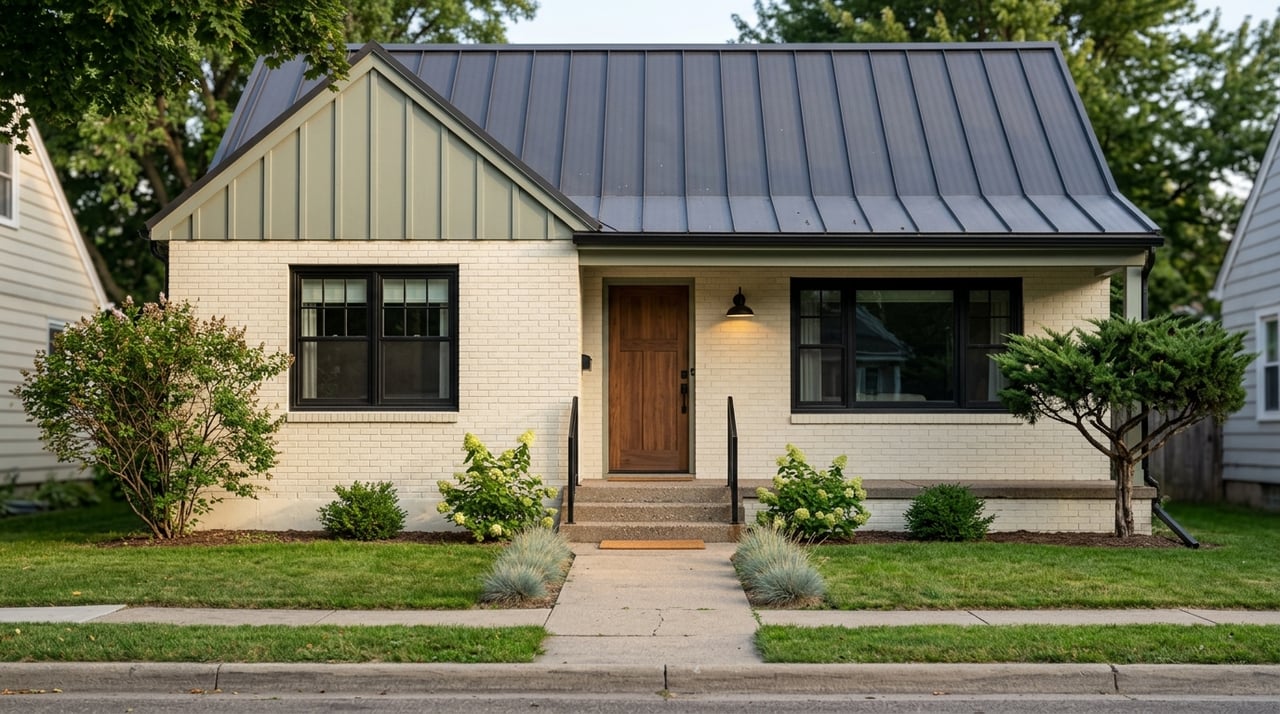
Sometimes the best update is a fresh coat of the existing color. In other rooms, painting the trim and walls in closely related shades can create a softer, more custom look. Interior doors can also become a beautiful design feature when painted a deeper neutral, muted green, warm taupe or another color already used in the home.
Before committing, test paint samples on more than one wall and look at them in the morning, afternoon and evening. Montana light can shift dramatically throughout the day and across the seasons, so a color that looks perfect under store lighting may feel completely different at home.
The goal is not to choose the trendiest color. It is to create a palette that flows naturally and makes the architectural details feel intentional.
6. Use Fewer Accessories, but Make Them Count
An elevated home does not have to be minimal, and it definitely does not have to be without personality. The difference is that the objects in the room feel chosen rather than simply added.
When every countertop, shelf and table is filled with several small items, the eye has nowhere to rest. Try removing everything from one surface and adding back only the pieces that are useful, meaningful or visually strong.
A large lamp, an oversized vase, a beautiful bowl, a stack of books or one framed photograph can make more of an impact than a collection of tiny decorative objects. Grouping everyday items on a tray can also make them feel organized and intentional without pretending that real life does not happen there.
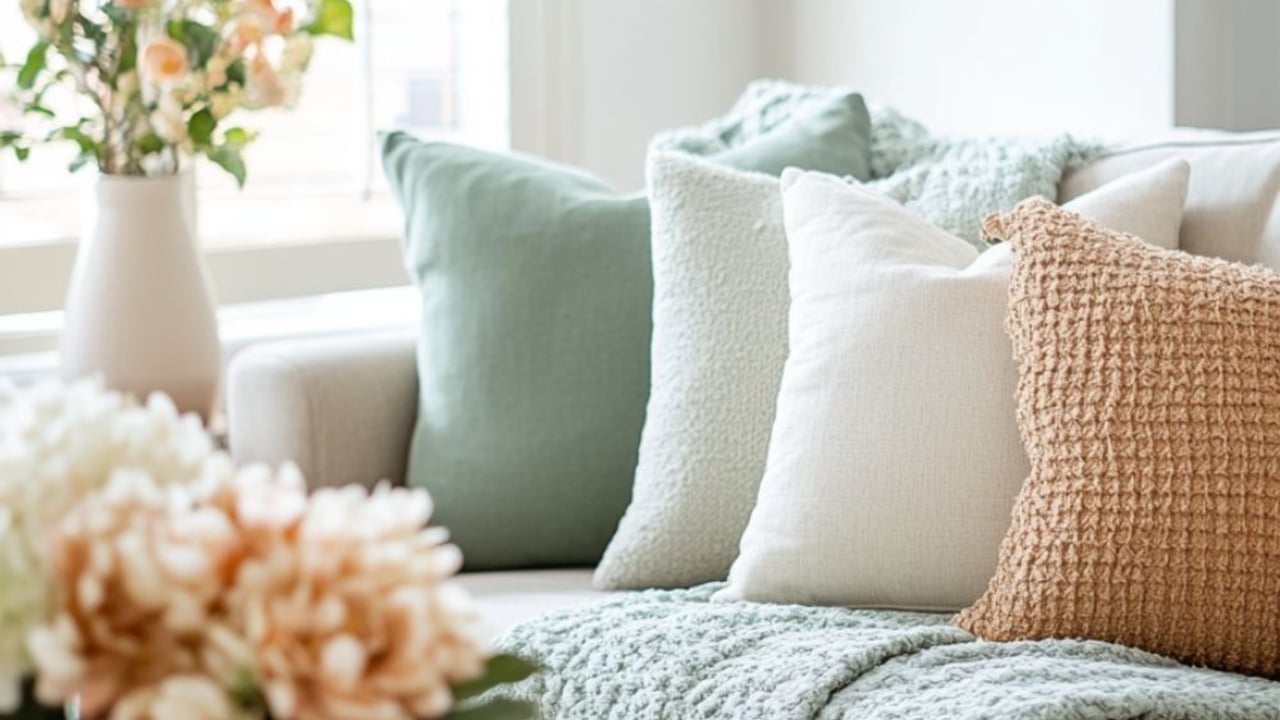
This is also where texture creates richness. Wood, stone, linen, leather, woven baskets and soft textiles give a room depth without requiring a lot of color or clutter. A home feels more collected when materials are layered thoughtfully and when there is space to notice them.
Keep the things that tell your story. Just give them enough breathing room to be appreciated.
7. Finish the Tiny Repairs Your Eye Keeps Finding
This may be the least glamorous tip on the list, but it might make the biggest difference.
Luxury often looks like good maintenance.
Yellowed caulk, chipped baseboards, crooked cabinet doors, loose handles, marked walls, exposed cords and mismatched outlet covers quietly make a space feel tired. You may stop consciously noticing them because you see them every day, but together they affect the overall impression of the home.
Walk through each room as if you were seeing it for the first time. Open the cabinets. Look at the corners. Notice the cords, grout lines, switch plates and places where paint has been touched up with the wrong sheen. Make a short list and work through one room at a time.
Many of these fixes cost very little. Aligning cabinet doors, replacing discolored caulk, touching up trim, securing a loose handle and concealing cords can make the room feel cleaner, newer and better cared for.
This step is especially important if you are preparing to sell. Buyers may not be able to name every small detail they notice, but they can absolutely feel the difference between a home that looks almost finished and one that feels carefully maintained.
A More Elevated Home Does Not Require More Stuff
The most beautiful homes are not always the newest, largest or most expensive. They are the ones where the details work together and the space feels cared for.
If you want to refresh your home, choose one or two ideas from this list instead of trying to change everything at once. Start with the room you use most. Correct the scale, improve the lighting or finish the small repairs that have been sitting on your list. You may be surprised by how different the entire home feels.
And if you are thinking about selling, I am always happy to help you decide which updates are worth making before your home reaches the market and which ones you can skip. Sometimes the smallest changes are the ones that help a home make its very best first impression.