Demographic data is from the 2021 Census.
825 people live in Shepherd, where the median age is 40.9 and an average individual income is $39,559.
Shepherd is in the 59079 zip code, which has a population of 3,242 people, an average age of 47.9, and an average income of $35,413 for an individual.
561 people live in Huntley, where the median age is 33.2 and an average individual income is $38,039.
The zip code for Huntley, MT is 59037, which doesn’t extend all that far outside the city, but it is home for 2,288 residents. Their average age is 39.6, and they have an average income of $35,672.
550 people live in Yellowstone River Valley, where the median age is 29.8 and an average individual income is $23,066
The zip code for Worden, MT is 59088. 1,135 people live there, and they are an average age of 41.7, with an average individual income of $33,229
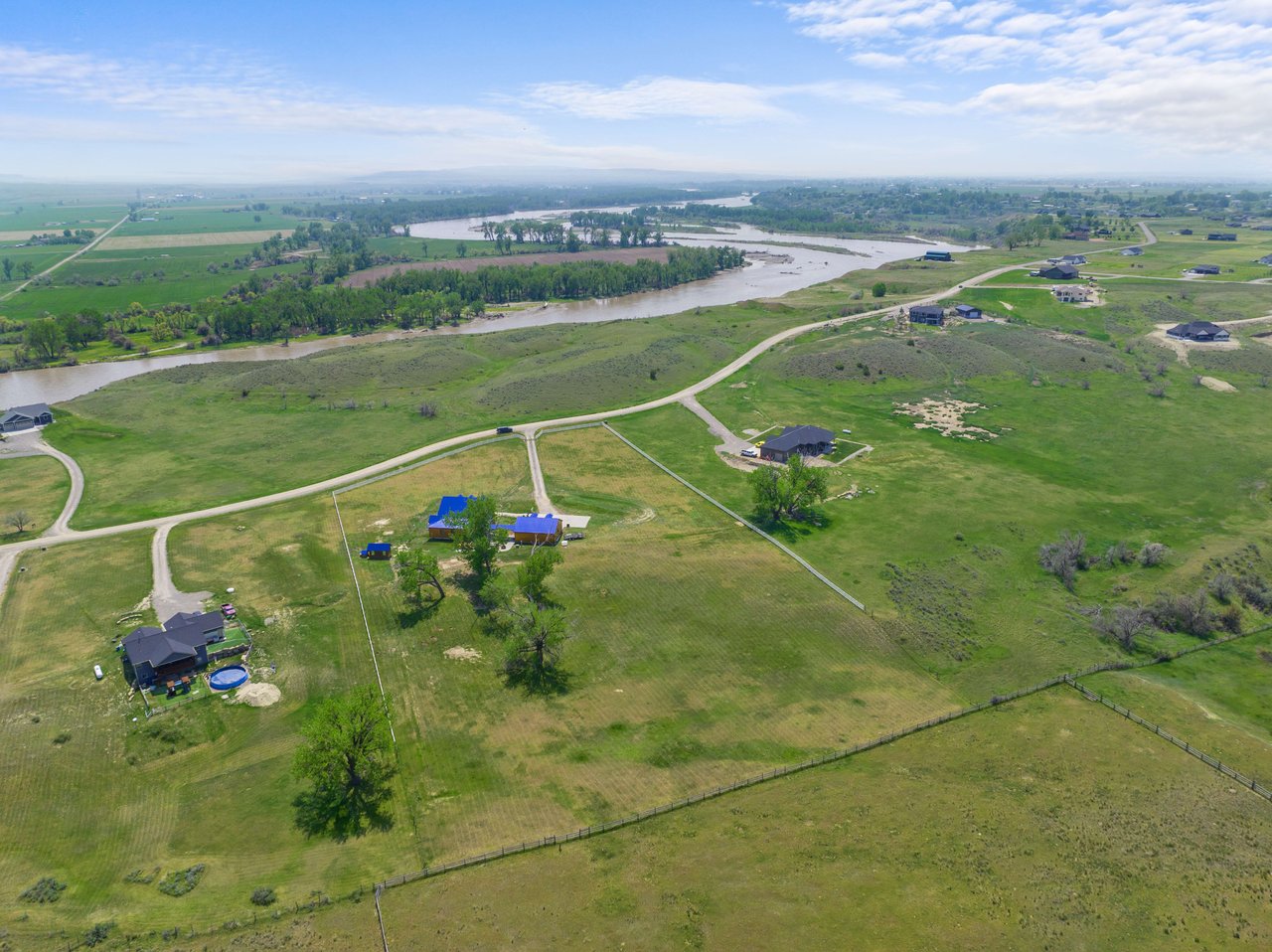
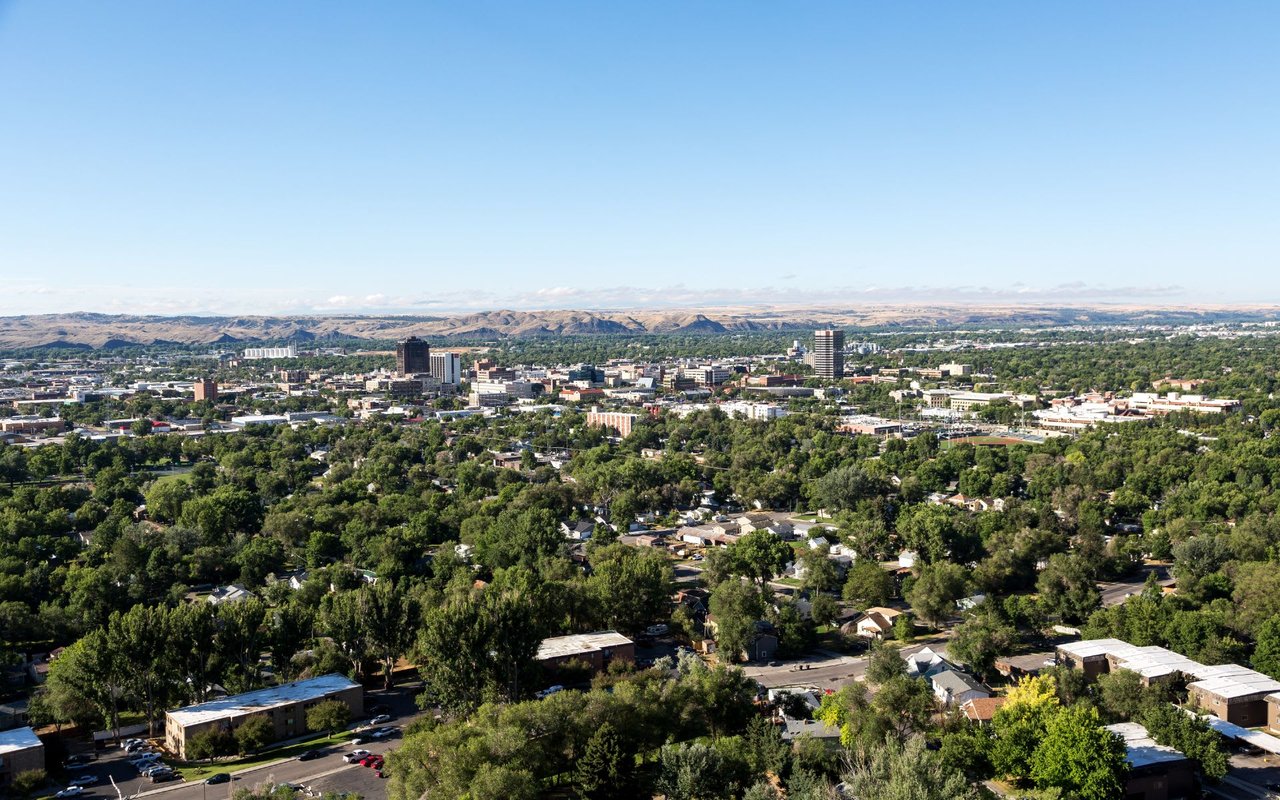
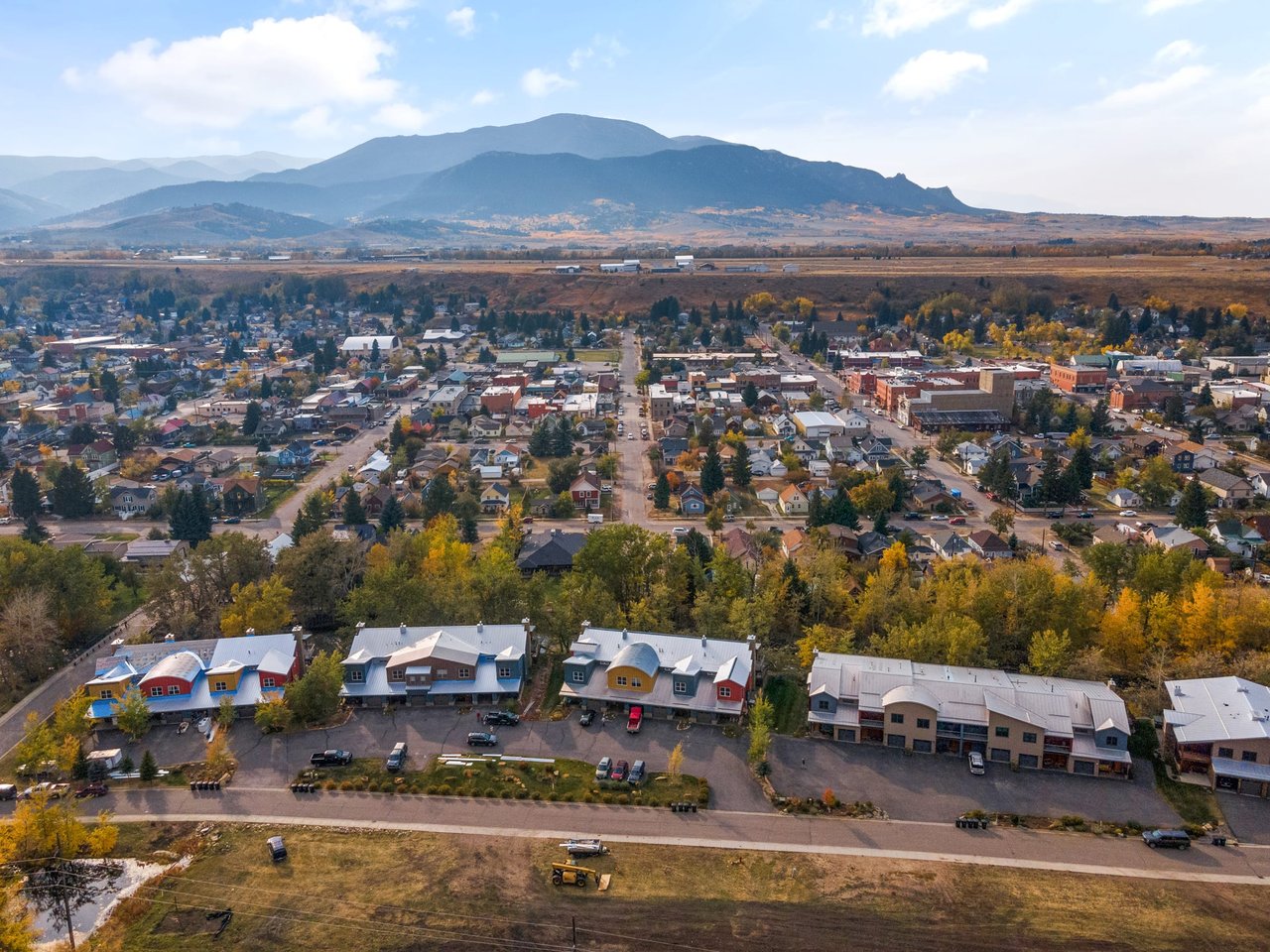
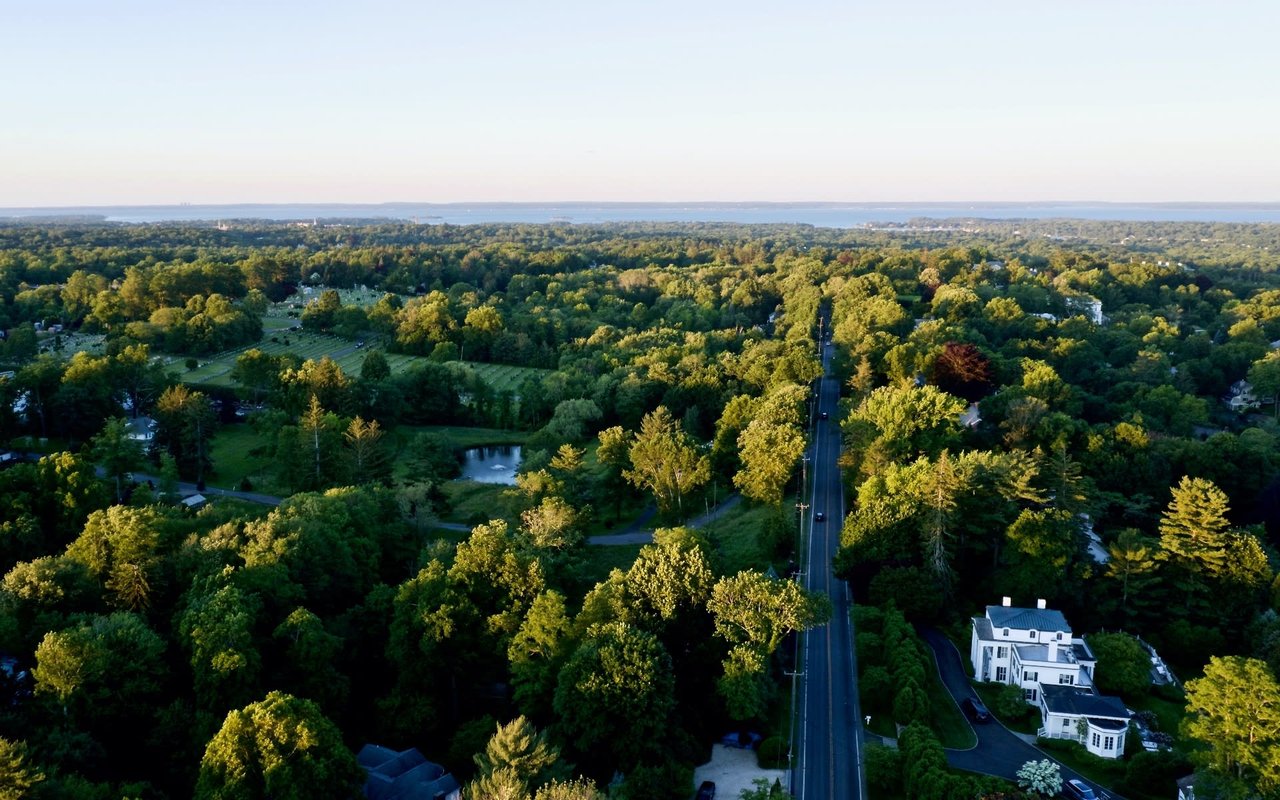
The Yellowstone River Valley stretches across south-central Montana between Livingston and Billings, running through Big Timber, Reed Point, Columbus, Absarokee, and Laurel — offering blue-ribbon trout water, working ranch land, and some of the most accessible rural property values in the state. Buyers find far more river frontage, irrigated bottomland, and mountain-view acreage per dollar than comparable Montana markets closer to Bozeman or Livingston, with a wide range of options from riverside cottages and small acreage to full working ranches and 200-plus-acre properties under pivot irrigation. Billings, with its regional airport and full medical infrastructure, anchors the valley's eastern end, while Big Timber and Columbus provide everyday services, schools, and the authentic small-town character that defines Yellowstone River Valley living.
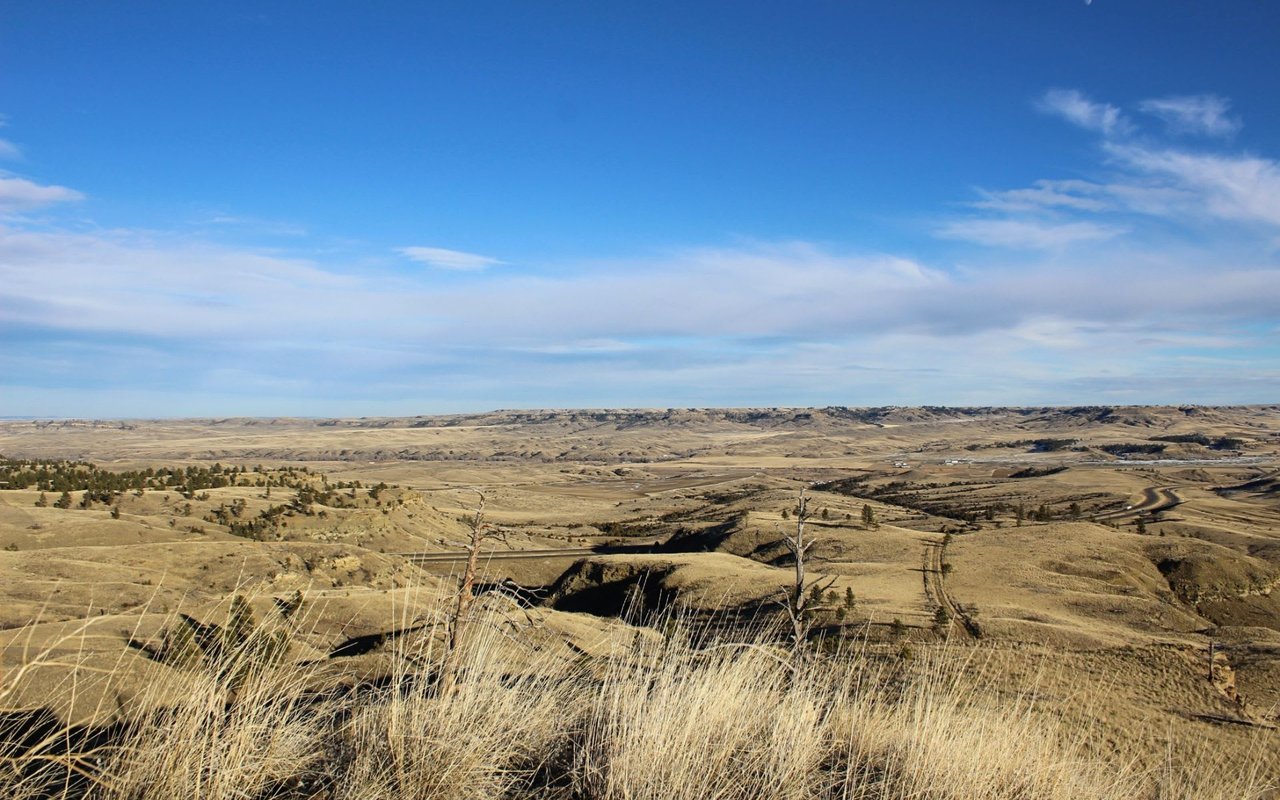
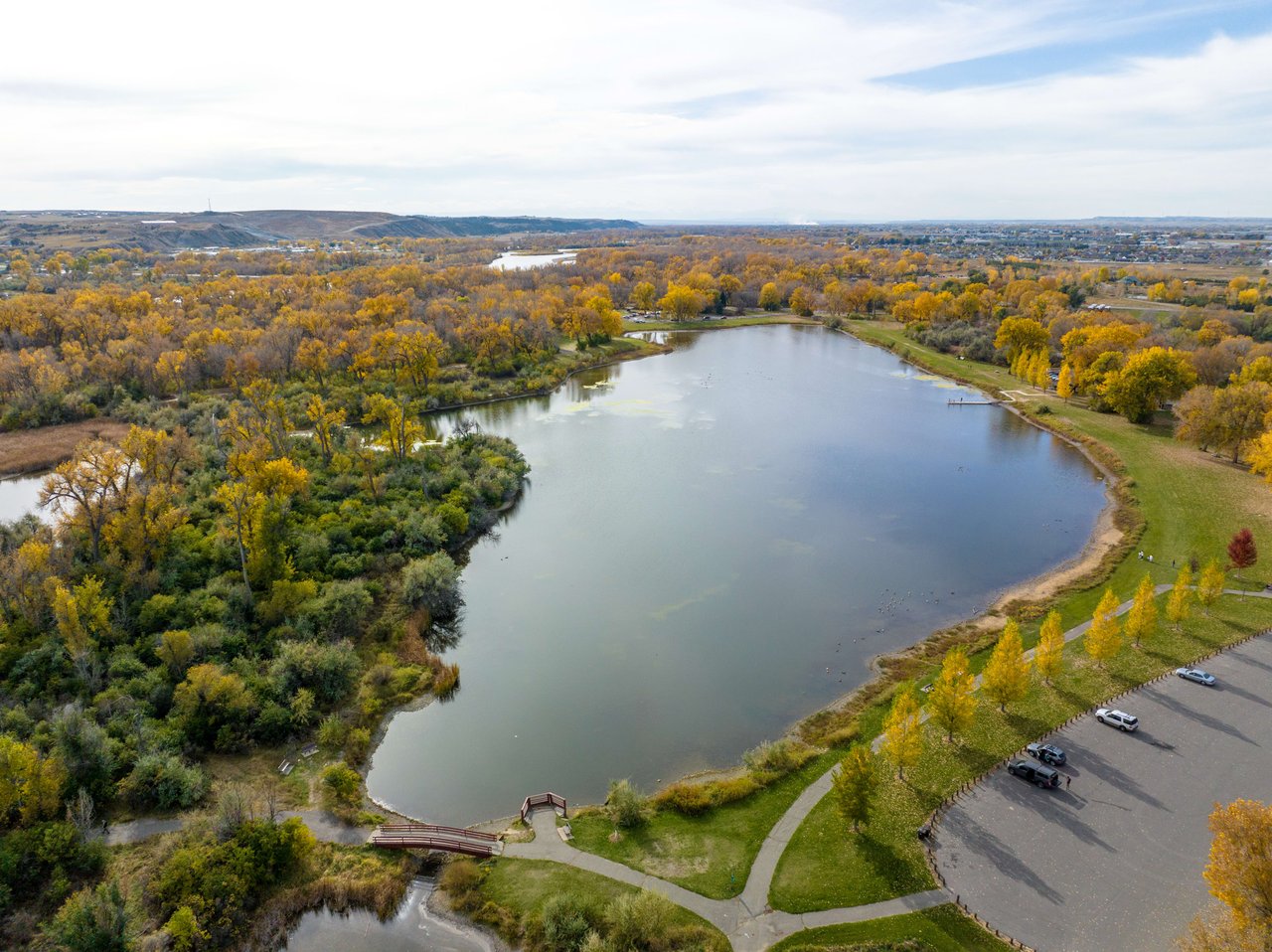
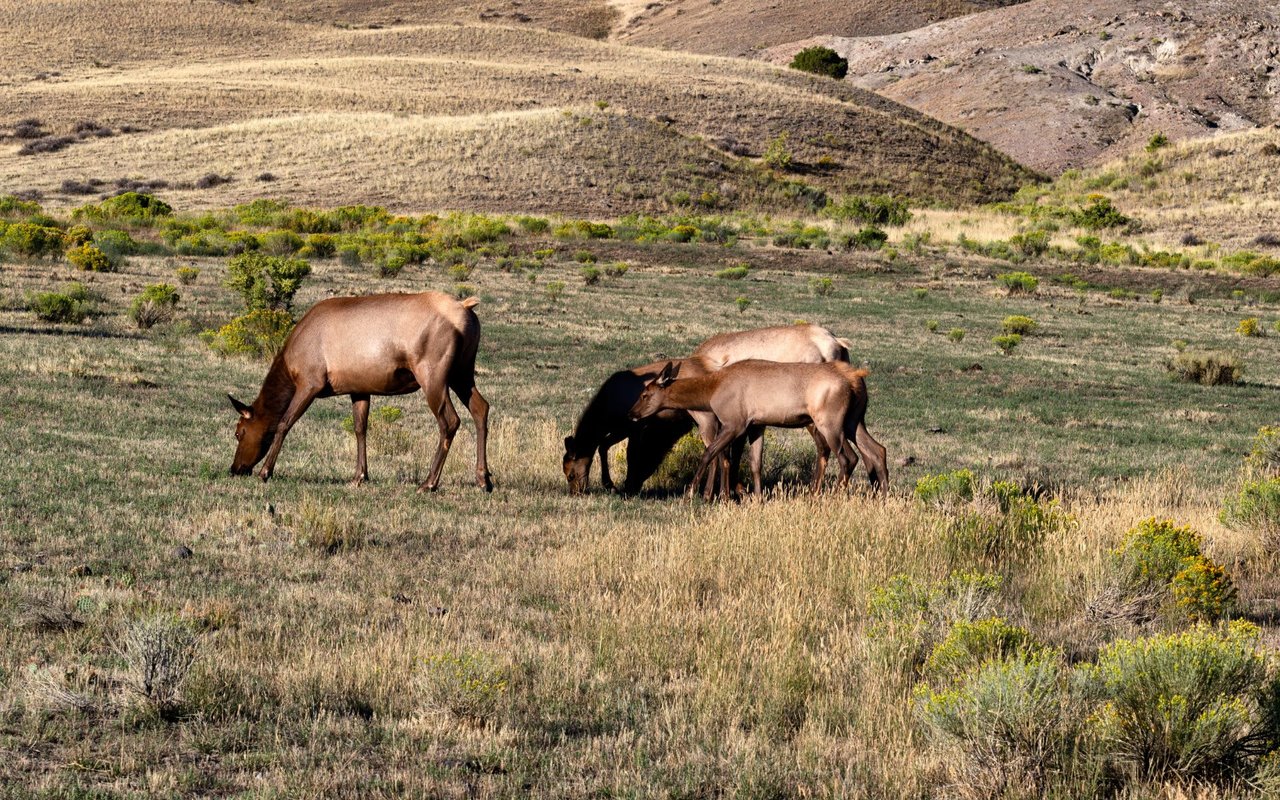
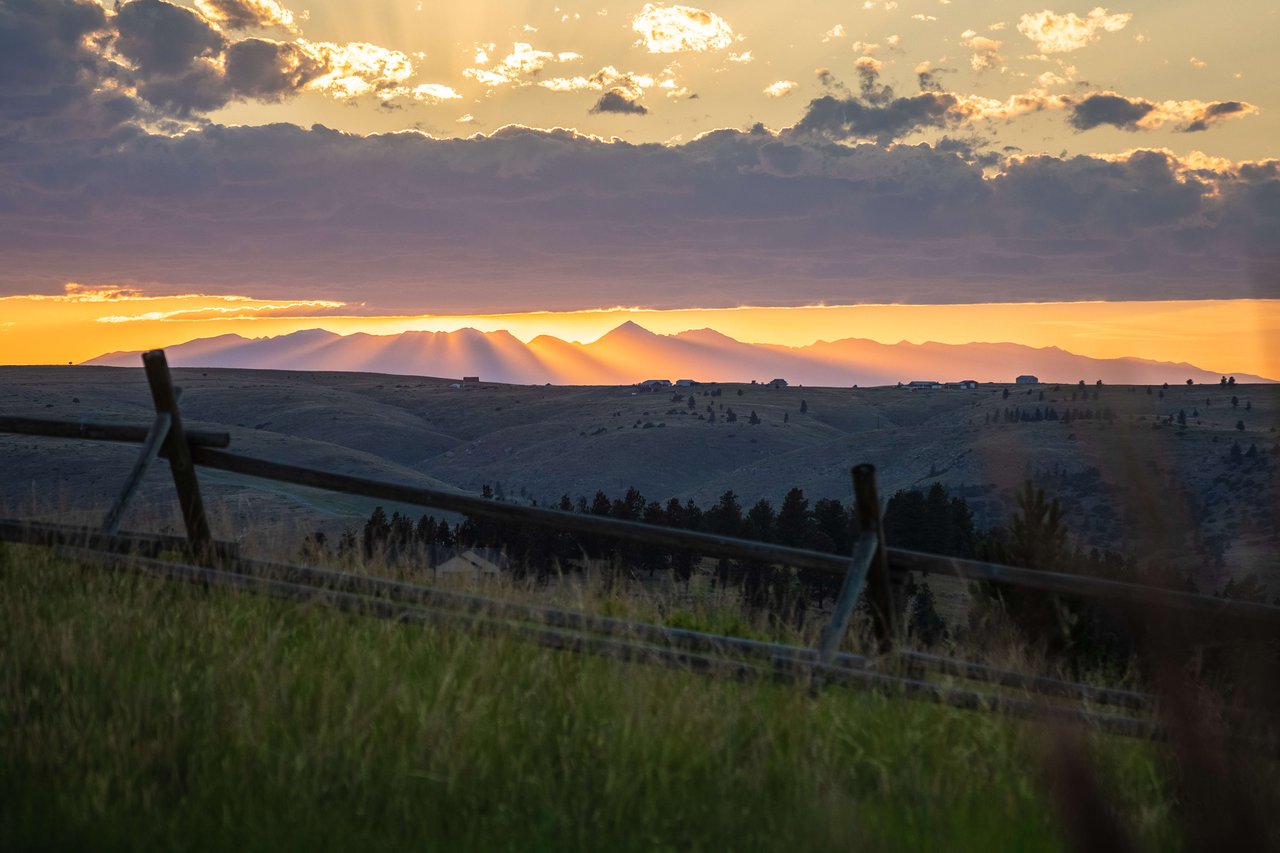
The valley's landscape is genuinely diverse — irrigated hay and crop ground in the river bottom, cottonwood riparian corridors along the water itself, and rolling, timbered hillsides rising toward the Absaroka-Beartooth Mountains to the south. Properties along the river offer direct access to one of the West's most renowned fisheries, along with hunting for mule deer, whitetail, elk, and antelope, while communities like Yellowstone River Estates west of Columbus have developed dedicated 20-acre parcel subdivisions with private road networks specifically for buyers seeking river-adjacent land without a full working ranch commitment.
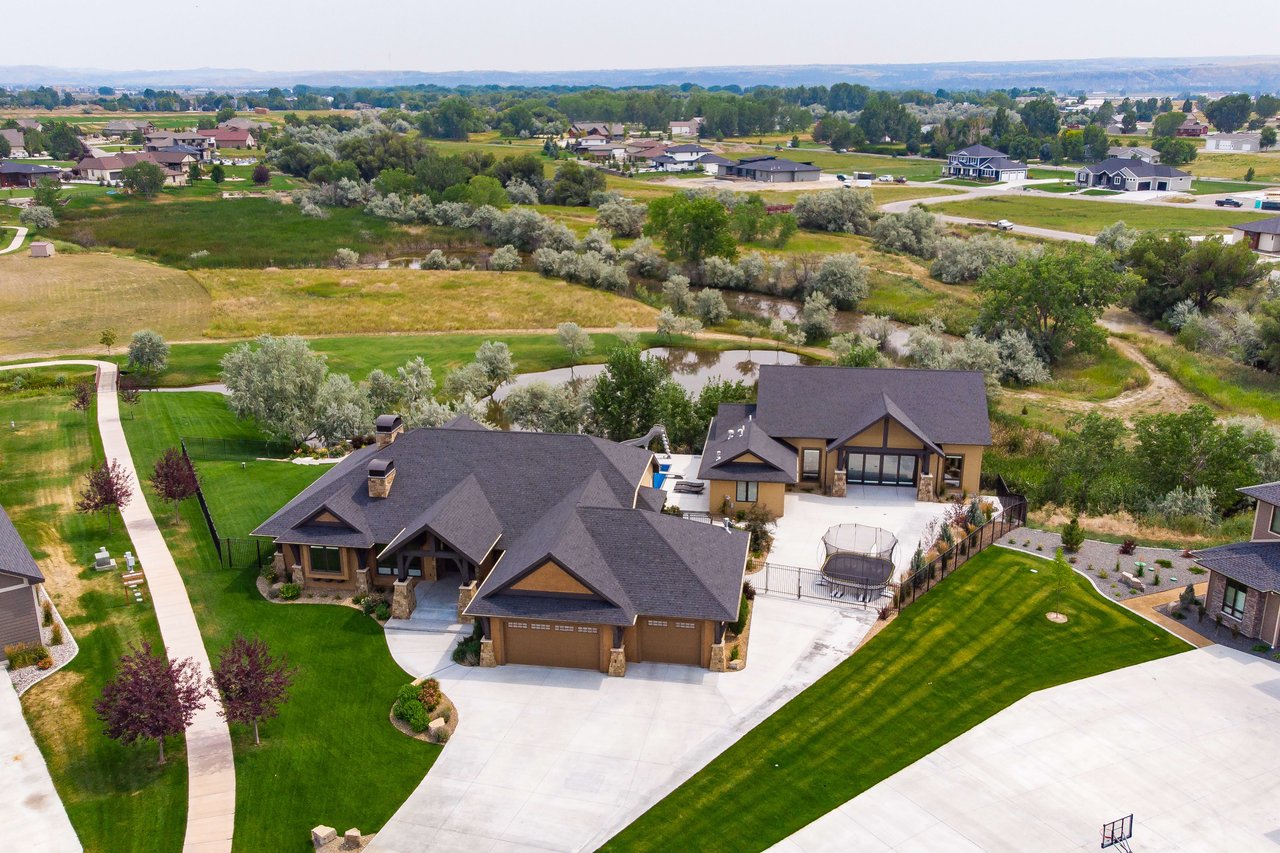
What types of homes are available in the Yellowstone River Valley, MT?
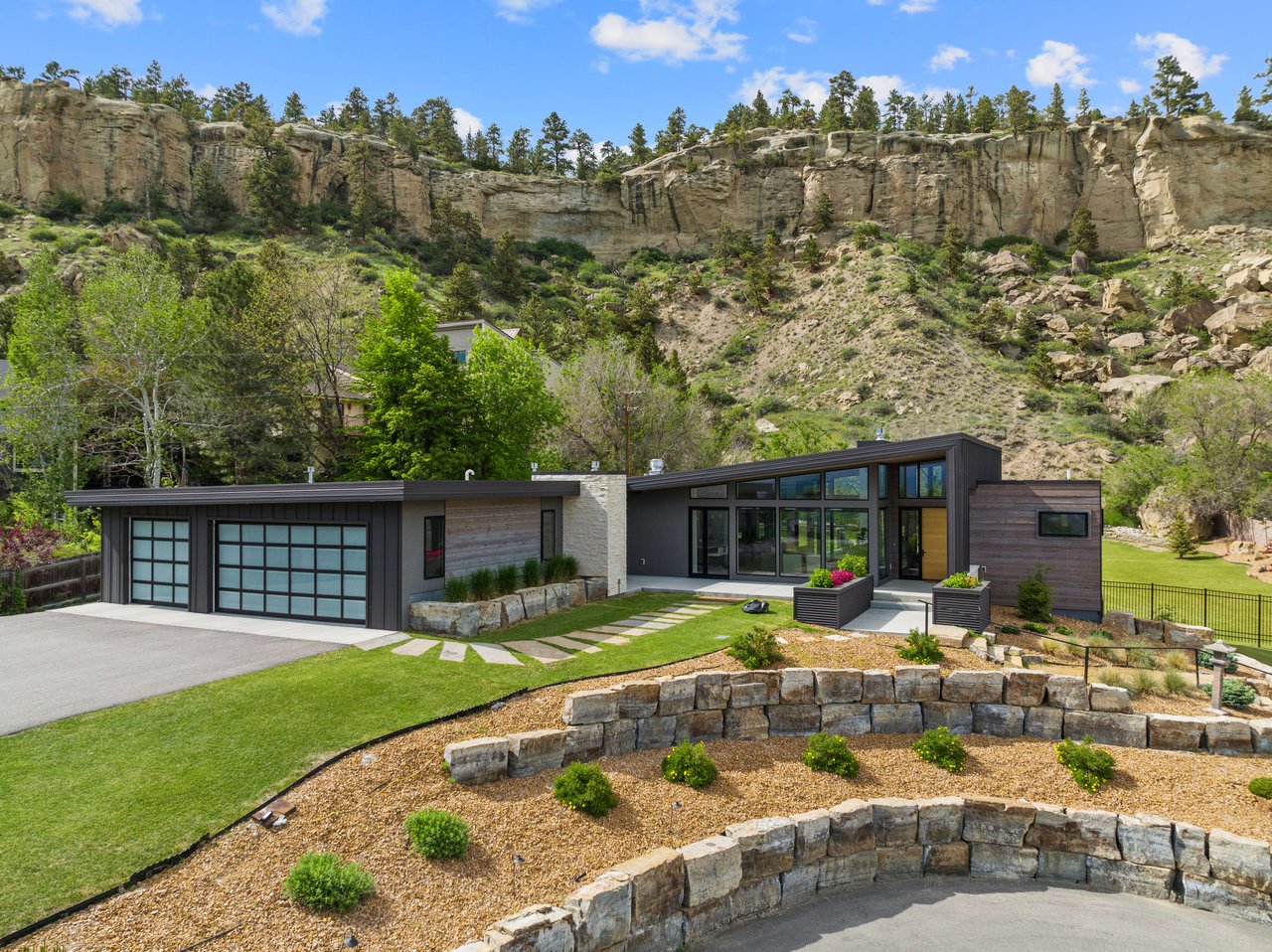
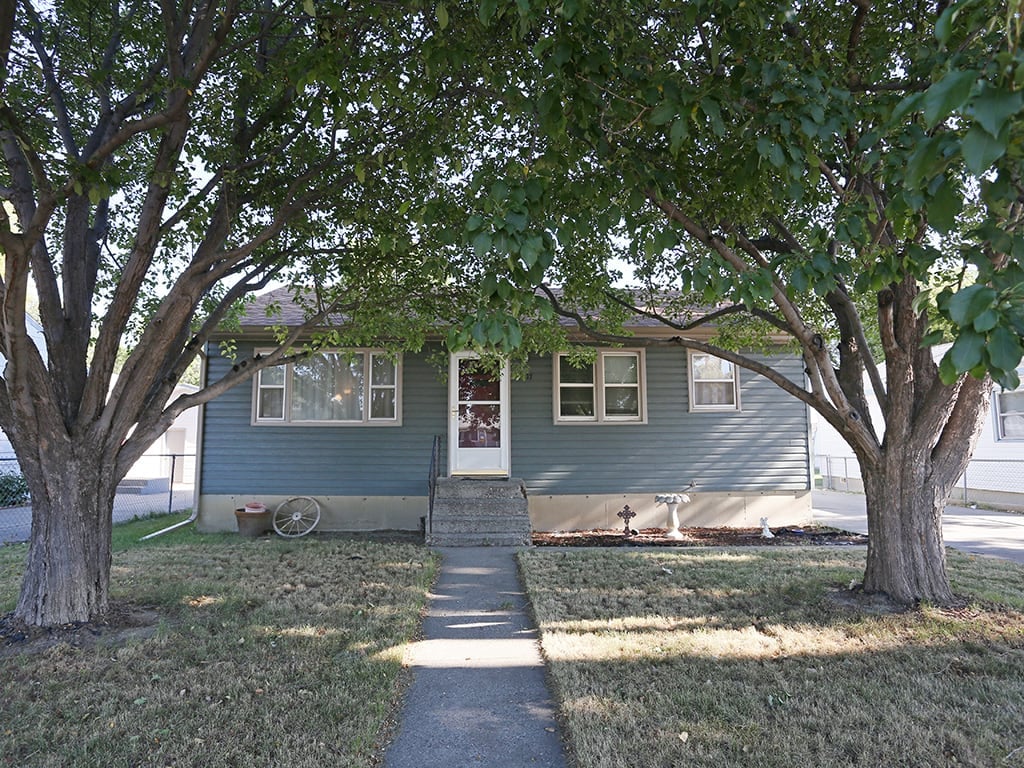
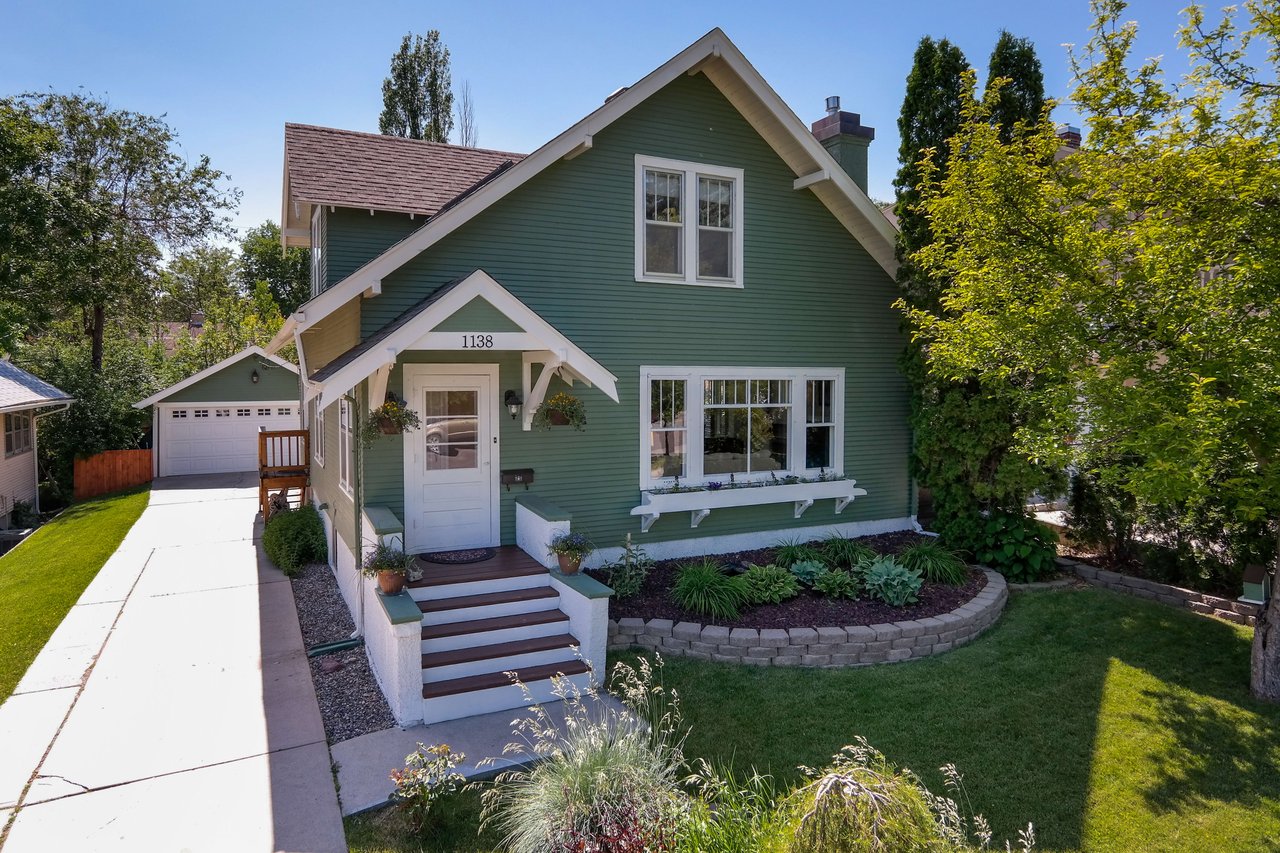
Riverfront ranch properties with irrigated pivot ground and cottonwood bottomland, smaller acreage parcels in subdivided river-corridor communities like Yellowstone River Estates, in-town single-family homes in Big Timber, Columbus, and Laurel, and larger working cattle and hunting ranches with multiple structures and full agricultural infrastructure.
What is the average home price in the Yellowstone River Valley?
In-town homes in valley communities generally range from around $350,000 to $475,000 depending on the specific town — Columbus, Absarokee, and Reed Point tend to run higher than Broadview or Fromberg. River-frontage acreage and working ranch properties vary enormously based on frontage, irrigation rights, improvements, and total acreage, with significant properties along the river commonly listed well into the millions. Buyers should work with a local specialist for current, property-specific guidance.
Why do people choose to live in the Yellowstone River Valley?
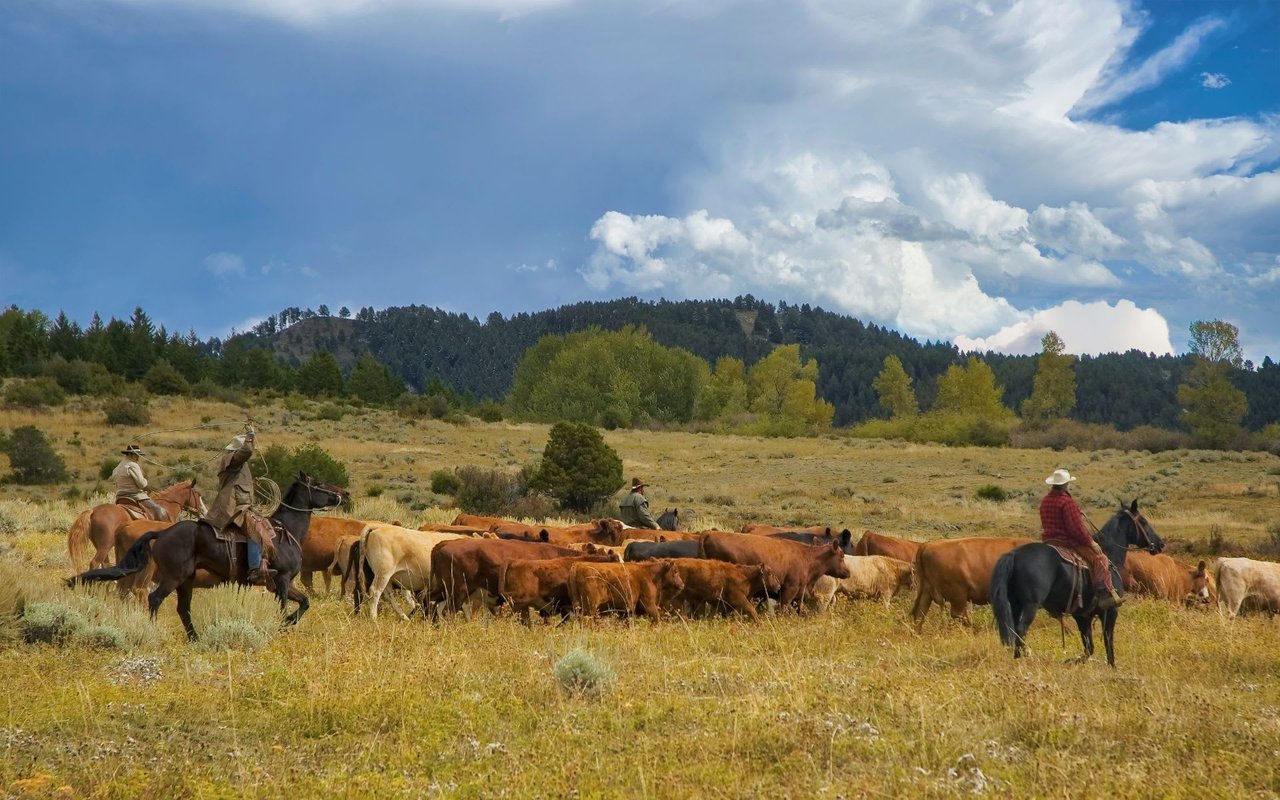
World-class fly fishing directly from home, genuine ranching and agricultural heritage, big game hunting, dramatic Absaroka-Beartooth Mountain views, and small-town community character across Big Timber, Columbus, and the surrounding valley. Buyers relocating from larger cities or out-of-state consistently find the valley delivers meaningful river access and land at prices below comparable Paradise Valley or Bozeman-area properties.
What should buyers consider when purchasing in the Yellowstone River Valley?
Water rights and irrigation infrastructure for any agricultural or pivot-irrigated ground, flood zone designation and floodplain building restrictions for river-adjacent parcels, well and septic condition for rural properties, private road maintenance obligations in subdivided river communities, winter access for more remote acreage, and any adjoining BLM or public land that affects privacy and recreational value.
Are there HOA or maintenance fees in the Yellowstone River Valley?
Most standalone ranch and in-town properties carry no HOA fees, reflecting the valley's independent, agricultural character. Subdivided river-corridor communities such as Yellowstone River Estates do operate a landowners' corporation responsible for private road maintenance and shared infrastructure — buyers considering these communities should review current dues, road conditions, and any funding or budget history before purchasing.
How far is the Yellowstone River Valley from Billings and Bozeman?
Columbus and the surrounding river corridor sit roughly 45 minutes to an hour from Billings and Billings Logan International Airport, while Big Timber is about an hour east of Bozeman — putting most of the valley within practical reach of both regional airports, hospitals, and full-service shopping while retaining its own small-town infrastructure for everyday needs.