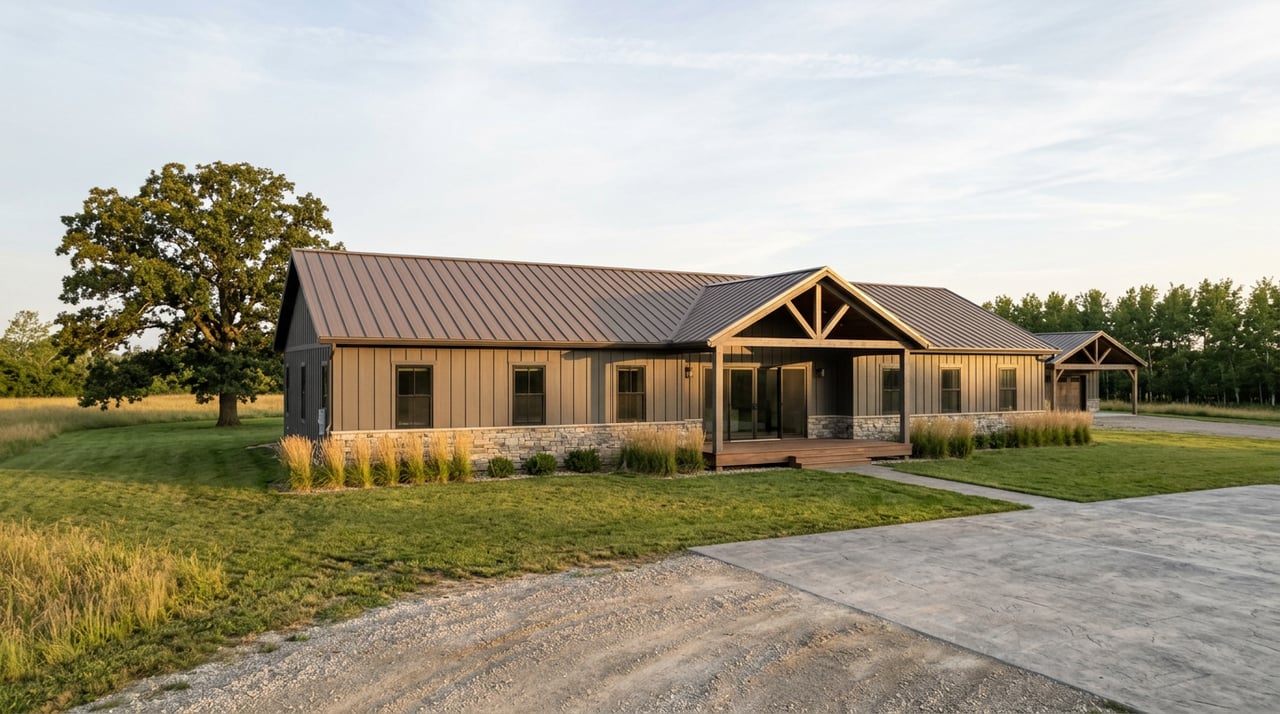
A buyer stands in a stubble field outside Worden, looking at a well cap poking up near the fence line. The listing says "well and septic, both functioning." The agent nods. The buyer crosses "water" off the mental checklist and moves on to fence condition and shop square footage.
That checklist used to be right. As of this year, it isn't anymore.
Montana changed the rules for exempt wells on January 1, 2026, and the change lands hardest in exactly the kind of acreage corridor that runs through Shepherd, Huntley, and Worden. For decades, a buyer or builder could drill a well, start using the water, and file the paperwork afterward. Today, the paperwork comes first, and the state can say no before you've spent a dollar on a driller.
The Question Buyers Used to Skip
Most rural homes in this corridor draw from what Montana calls an exempt well: groundwater use of 35 gallons per minute or less, capped at 10 acre-feet a year. For household use, that ceiling covers a typical single-family home without much trouble, which is exactly why generations of buyers never thought hard about it. You drilled. You used the water. Eventually you filed a Notice of Completion with the state's Department of Natural Resources and Conservation and received a Groundwater Certificate confirming the right.
The system worked on trust. Drill first, paper later.
What Changed on January 1, 2026
Under House Bill 681, that order is reversed. Anyone developing a new exempt well now has to file a Notice of Intent to Appropriate Groundwater, DNRC Form 602I, and get it authorized before putting the water to use. The filing fee is $400, and DNRC has 10 business days to authorize or deny it.
The denial risk is the part that changes the math for a buyer. DNRC's own guidance is direct about why an application gets turned down: it typically happens when the proposed well is part of what the state calls a combined appropriation, meaning nearby wells drawing from the same source have already pushed the area's water use to or past that 10 acre-foot annual limit. In that case, the exemption doesn't apply, and the buyer is looking at the full permitting process instead, with public notice and the possibility of an administrative hearing.
Here's the part that catches people off guard even when they've already drilled. DNRC has stated plainly that this applies retroactively to anyone using water without having completed the old paperwork. A well that's been running for years but never received a Notice of Completion still needs an authorized Notice of Intent on file before DNRC will process that completion. A seller who says "the well's been fine for fifteen years" may be telling the truth about the water and still be sitting on an incomplete file.
| Before January 1, 2026 | After January 1, 2026 |
|---|---|
| Drill the well, start using water, file Notice of Completion afterward | File Notice of Intent first, wait for DNRC authorization, then drill and file Notice of Completion |
| Water right assumed at the time of drilling | Right stays provisional until DNRC confirms the parcel isn't over its area's combined appropriation cap |
| No public record to check before an offer | Notices of Intent are now searchable in DNRC's Water Rights Query System by name, address, or geocode |
That last row matters for anyone about to write an offer. Before HB 681, there was no clean way to check whether a nearby parcel had already claimed the local water headroom. Now there's a public record a buyer can pull before committing earnest money, not after.
Why "Huntley Project" Doesn't Settle the Irrigation Question Either
The Huntley Project Irrigation District has been diverting water from the Yellowstone River since 1907, and its canals still serve Huntley, Worden, Ballantine, and Pompeys Pillar with the water that grows the alfalfa, sugar beets, and silage this corridor is known for. It's easy to hear "Huntley Project" in a listing description and assume every parcel inside that historic footprint comes with an active irrigation right attached.
It doesn't work that way. Some parcels in this area carry project irrigation. Others rely on private wells or separate arrangements the county never reviews at all, because Yellowstone County treats irrigation, water, and sewer districts as private entities outside its permit process. If irrigation matters to your plans, whether for a hay field, a pasture rotation, or just a green lawn in August, that status has to be confirmed with the district directly rather than assumed from the address.
There's a second wrinkle worth knowing if a shop or outbuilding is part of the plan. The irrigation district's right-of-way rules are specific: houses, other buildings, trees, and permanent structures aren't allowed on the canal, lateral, and drain right-of-way that the district and the federal government maintain for access. A buildable-looking stretch of ground next to a lateral may not actually be available for a barn, no matter what the plat implies.
The Septic Side Runs on a Different Clock
Water rights and septic approval are separate processes run by separate agencies, and a buyer needs to track both.
RiverStone Health, which serves as the Yellowstone County health department, handles septic permitting and subdivision sanitation review for this corridor. The dividing line is parcel size. Parcels smaller than 20 acres go through Montana DEQ's review process. Parcels of 20 acres or more go through RiverStone Health's local review instead. Either way, the review itself can take up to 55 days depending on how complex the submittal is, which includes the type of water and sewer system the parcel needs.
Before any of that starts, a buyer or their agent needs a Permit Tracking Sheet from the Yellowstone County Courthouse, Room 305. That sheet confirms three things: an address has been assigned, an approach permit has been issued for road access, and the property isn't sitting in a floodplain. It's a procedural checkpoint, not a verdict on the land, but skipping it means finding out about a gap later in the transaction instead of earlier.
What This Means for an Offer in This Corridor
Put together, the water and septic pieces suggest a specific way to structure an offer on acreage in Shepherd, Huntley, or Worden.
If the parcel needs a new well, the purchase agreement should include a water contingency tied to an authorized Notice of Intent, not just a completed well. That gives the buyer an exit if DNRC denies the filing within its 10-business-day window, rather than discovering the denial after money has been spent on drilling.
If irrigation is part of the appeal, get the Huntley Project Irrigation District status confirmed in writing before the offer goes firm, rather than relying on the parcel's location inside the historic project boundary.
If septic is anything other than a straightforward existing system, request the Permit Tracking Sheet and RiverStone Health's read on the parcel early, since that 55-day window can run in parallel with the water contingency instead of stacking behind it, but only if someone starts it early enough.
None of this makes acreage out here harder to buy. It makes the sequence matter more than it used to. The buyer standing in that Worden field isn't wrong to want the well and the space and the quiet. The mistake is treating the well cap as the end of the question instead of the start of it.
A Short FAQ
If a well has been in use for years, do I still need to worry about this new rule? The Notice of Intent requirement is written to apply retroactively. If a Notice of Completion was never filed for an existing well, DNRC will need an authorized Notice of Intent on file before it can process that completion now.
Does this apply to irrigation wells the same way as household wells? The 35 gallon-per-minute and 10 acre-foot thresholds apply to any exempt groundwater use, whether the purpose is domestic or irrigation, as long as the use falls under that exemption category.
What actually happens if DNRC denies the Notice of Intent? Denial generally means the proposed well would push the area's combined appropriation over its 10 acre-foot cap. At that point the applicant has to pursue the standard water permit process, including public notice and a possible hearing, rather than the streamlined exemption.
Is the septic review connected to the water rights review at all? No. They're run by different agencies on different timelines. DNRC handles the water right. RiverStone Health handles septic and subdivision sanitation. A buyer needs both cleared, and neither one automatically informs the other.
If you're weighing acreage in Shepherd, Huntley, or Worden and want a second set of eyes on how a specific parcel's water and septic history lines up before you write an offer, the Lanissa Fortner Team can walk the details with you and help you build the right contingencies into your contract from the start.