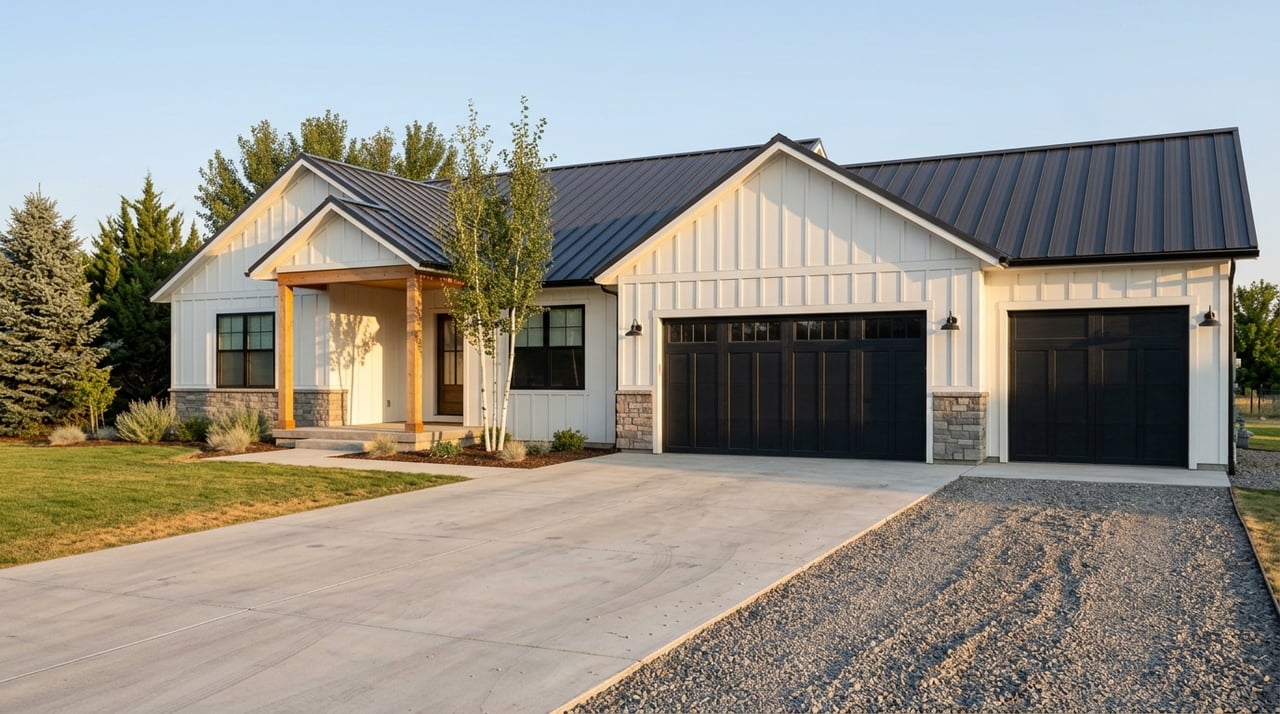
Looking for a place where you can have a little more elbow room without feeling cut off from Billings? Lockwood often stands out for buyers who want that balance. If you are exploring new homes or land in this part of Yellowstone County, it helps to know how lot sizes, utilities, floodplain rules, and road access can shape your options. Let’s dive in.
Why Lockwood draws buyers
Lockwood is a Census-designated place on the eastern edge of Billings in Yellowstone County, with a 2020 population of 7,195. County planning materials describe it as a community with suburban-style residential development mixed with commercial and industrial uses.
For many buyers, the appeal is practical. Lockwood offers a more space-oriented setting than many in-town Billings neighborhoods while still staying closely connected to the Billings area for commuting and daily needs. That combination makes it worth a close look if you want room to spread out without moving too far from city services and employment.
What to expect from Lockwood land
Larger lots are part of the picture
If you are shopping for land in Lockwood, you may notice more small-acreage and larger-lot options than you would in a typical city neighborhood. Yellowstone County zoning includes rural-residential districts such as RR1, which allows 1 to 2.99 acres, and RR3, which allows 3 to 9.9 acres.
That zoning framework helps explain why acreage-style searches are common here. You may find parcels that offer space for extra parking, hobby use, or a more open residential setup, depending on the property and its zoning.
Not every parcel feels the same
One of the biggest mistakes buyers can make is assuming all Lockwood properties offer the same experience. Some areas feel more neighborhood-oriented, while others lean more toward a rural-residential pattern with more separation between homes.
That is why it helps to compare properties beyond price and square footage. Lot size, zoning, utility access, and road context can all change how a property works for your day-to-day life.
New construction in Lockwood
Growth is tied to infrastructure
Lockwood is still building out, and county project listings show that infrastructure improvements are part of that story. Yellowstone County currently lists Lockwood Sidewalks and Phase 3 Sewer Subdistrict and Lockwood Subdivision Water Improvements as active projects.
Those projects include about 2,200 linear feet of sidewalk along Old Hardin Road, expanded sanitary sewer service, and replacement of water mains. County zoning and growth-policy language also points to continued housing growth where infrastructure exists or can be extended.
What that means for buyers
If you are considering a new home or planning to build, infrastructure may affect timing, cost, and long-term value. A parcel that looks appealing online may still need deeper review to confirm service availability and development costs.
That does not mean you should avoid land or new construction in Lockwood. It means you should approach each property with a clear due-diligence plan.
Utilities can change the deal
Water and sewer matter parcel by parcel
Lockwood Water and Sewer District provides public water and sewer service in the community. The district says Phase II sewer connection opened in 2016, and its website says Phase 3 sewer construction began in late 2025 and will continue through the end of 2027, with completion expected in early 2028.
The district’s sewer connection page lists a $105 application fee and a $1,872 Phase 2 system-development fee. It also says there is no requirement to connect until an existing septic system fails, while Riverstone Health usually will not issue permits for new septic installations or repairs.
Ongoing charges can vary
Buyers should also ask about recurring district costs. The sewer-information page notes a $25 annual planning fee outside the Phase I and II boundaries, a $40 annual capacity reservation fee, and assessments on Phase I and II properties.
In simple terms, utility access is not just about whether a line exists nearby. It can also affect your closing costs, monthly budgeting, and future improvement plans.
Floodplain review should happen early
Lockwood planning materials note the community’s location near the Yellowstone River and irrigation ditches. Yellowstone County also says floodplain regulations apply to all lands within county jurisdiction.
That is why floodplain status should be verified early, especially when you are looking at vacant land or edge-of-development parcels. A property may still be attractive, but floodplain review can affect what is allowed, what extra steps may be needed, and how you budget for the purchase.
Roads and access shape daily life
Driving access is a major plus
Transportation is one of Lockwood’s strongest advantages. Planning materials show the area connected to I-90, I-94, Highway 87, and the Johnson Lane interchange project, which supports convenient vehicle access in and around the community.
If you commute into Billings or travel regularly by car, that access can be a real benefit. For many buyers, it is part of what makes Lockwood feel practical rather than remote.
Walkability is more limited
At the same time, Lockwood is less walkable than many in-town Billings neighborhoods. The Lockwood pedestrian plan says the district covers 47.3 square miles and includes 143.6 miles of roads, but only 5.6 miles of completed sidewalk.
That road-to-sidewalk gap helps explain the tradeoff. You may gain more room and a quieter setting, but you should not expect the same kind of walk-everywhere convenience you might find in a more urban neighborhood.
Schools and community context
Lockwood Schools says the district has four schools on a single campus, serves more than 1,600 K-12 students, and opened its high school in August 2020. County planning materials also reference four schools and more than 1,300 students.
For buyers comparing areas east of Billings, that single-campus setup is an important community feature to know about. It is one more reason Lockwood remains on the radar for households who want space while staying tied to the broader Billings area.
Who Lockwood may fit best
Lockwood tends to make the most sense for buyers who want a little more flexibility in how they live. That can include people looking for larger lots, acreage-style property, room for vehicles or equipment, or easier interstate access without living in the city core.
It may be less ideal if your top priority is a dense neighborhood with a strong sidewalk network and lots of destinations within easy walking distance. Like many real estate decisions, the right fit depends on how you want your home to function every day.
Smart questions to ask before you buy
Before you move forward on a new home or land purchase in Lockwood, it helps to ask a few detailed questions:
- What is the parcel’s current zoning?
- Is public water available?
- Is public sewer available now, or is the property tied to a future phase?
- Are there application fees, system-development fees, annual planning fees, capacity reservation fees, or assessments?
- Is the parcel in a floodplain or near drainage features that require extra review?
- What is road access like year-round?
- Are sidewalks or crossings nearby, or will most trips be vehicle-based?
These questions can help you compare properties more clearly and avoid surprises after closing.
How to search Lockwood with confidence
The best way to approach Lockwood is to think beyond the home itself. A beautiful new build or a promising lot can look very different once you factor in sewer phase, floodplain status, and access.
That is where local guidance matters. When you understand the practical side of the property early, it becomes much easier to tell whether a listing truly fits your goals.
If you are thinking about buying a new home or land in Lockwood, having a local team who understands Billings-area growth patterns, acreage-style properties, and buyer education can make the process feel much more manageable. Reach out to The Lanissa Fortner Team for thoughtful guidance as you explore your options.
FAQs
What makes Lockwood different from in-town Billings neighborhoods?
- Lockwood generally offers a more space-oriented setting with larger-lot and acreage-style options, while still providing access to Billings for commuting and daily needs.
What should buyers verify about Lockwood utilities?
- Buyers should verify whether a property has public water and sewer access, which sewer phase applies, and whether any application fees, system-development fees, annual fees, or assessments affect the parcel.
What should buyers know about floodplain rules in Lockwood?
- Buyers should confirm floodplain status early because Yellowstone County floodplain regulations apply within county jurisdiction, and that review can affect buildability, approvals, and overall costs.
Are there many new construction opportunities in Lockwood?
- Lockwood is still being built out, and county infrastructure projects involving sewer, water, and sidewalks suggest continued growth where services exist or can be extended.
Is Lockwood a walkable area for daily errands?
- Lockwood is generally less walkable than many in-town Billings neighborhoods because its sidewalk network is limited compared with its road network, so many daily trips are more vehicle-oriented.
Why do lot sizes in Lockwood vary so much?
- Lot size variety is partly explained by county zoning, including rural-residential districts such as RR1 and RR3, which allow larger residential parcels than a typical city lot.